China Yangtze.com

China Yangtze River Information: cruises, maps, pictures, ships, three gorges dam.

Page 14 of 72

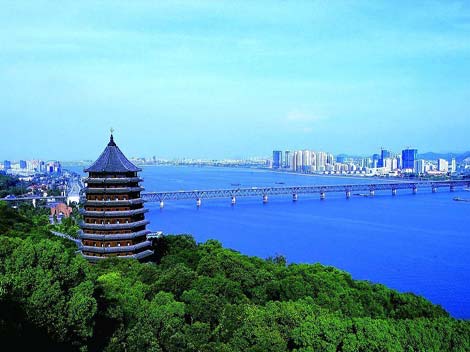
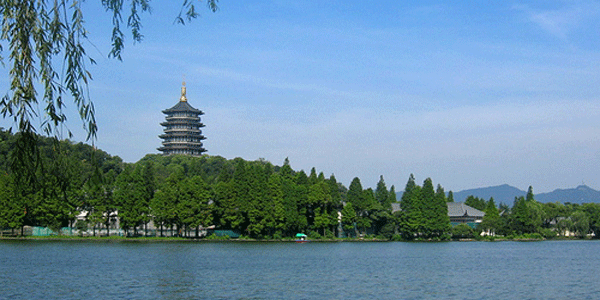
West Lake (Xi Hu)

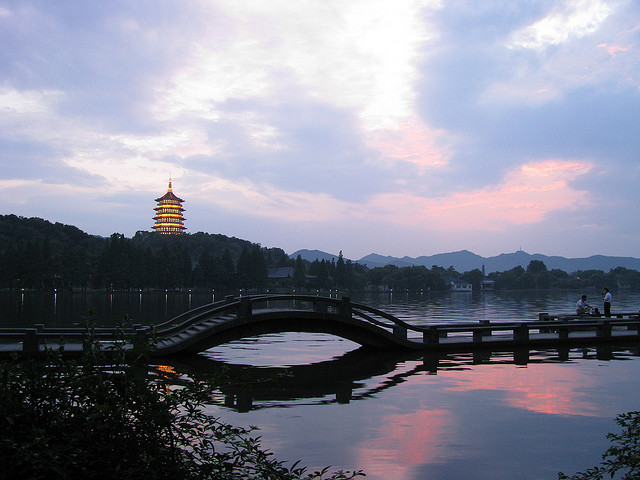
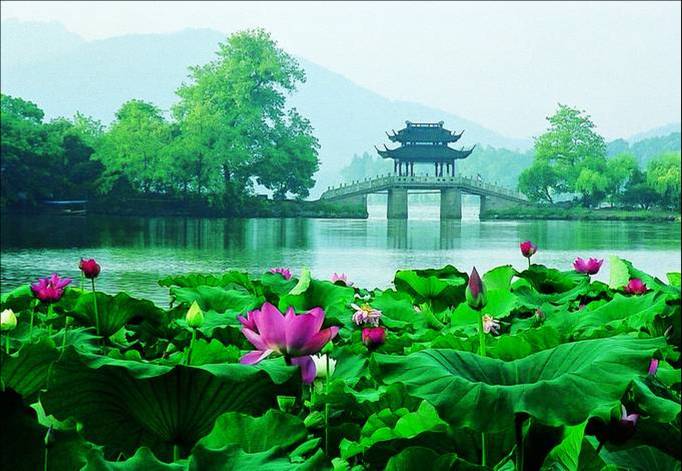
Su Dangpo, a famous Poet of Song Dynasty has compared the West Lake to Xi Zi, the most beautiful women of ancient chain in his composition. These poetic sentiments leave no one in doubt about the glory of the scenery of West Lake which inspired them.

West Lake was originally a shallow inlet of sea and due to the lying down of the silt the area of about 5.68 km has become the famous lake. The cultural landscape of this lake was initiated in the ninth century and it took its shape in the 13th century and has been thrived since 18th century. It has been the home of the Chinese culture, paradise of all strata of Chinese people and a famous lake in china for over ten centuries and has longest history and biggest influence. It was also listed in the World Heritage List in June 2011 by the Committee of 35th World Heritage Conference in Paris.

West Lake

West Lake

This lake has an average depth of five feet and comprises of five distinct sections. The largest part is called Outer lank which is bounded by the Yuehu Lake, North Inner Lake, Lesser South Lake and West Inner Lake. It is surrounded by hilly peak on its three sides and has been a center for attraction for centuries. The lake an its environment has all the elements of a traditional Chinese garden on a grand scale. The natural and strange shaped peaks, springs, forests, dense foliage and blossoms especial in the spring time are enhanced by the treasures of architectural and sculpture features.  All over the year, the panorama is very much pleasing to the eyes and the weather is intoxicating.

There are various features of this lake which are worthy to be noted. There is a man made island to the south of the centre of the Outer Lake which is known as island of Little Oceans enclosing four small lakes. You can get the views of Three Pools Mirroring the Moon at the night and when the night candles are lit you can see the impression of the reflection of three moons. The North Inner Lake and Outer Lake are ideal spots for admiring the vistas. The Tow Peaks Embracing the Sky is another sight when you will cross the lake by boat.

West Lake

West Lake


Thousand Islets Lake (Qian Dao Lake)

If you have ever wanted to escape from the noisy metropolis then you can go to the Thousand Islets Lake or the Qian Dao Lake for experiencing something special and something new.

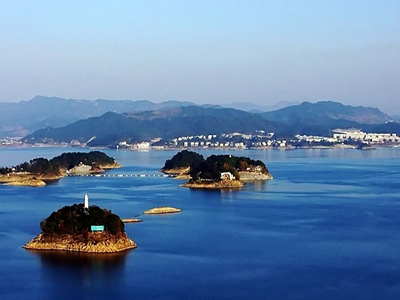
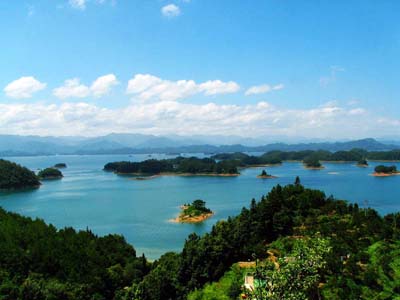
Thousand Islets Lake is a pure lake having clean and fresh air and more than 80 percent of the area covered with forests. It is relatively a new lake which was formed in the year 1959 due to the construction of a New Anjiang Hydroelectric Power Station. This is a beautiful lake which is having 1078 islets which shows different views in different seasons. It is a rich lake which is abounded with fish and surrounded by the trees of tea, mulberry and fruits. This lake is a delightful lake for many activities, enjoying the natural scenery, observing the wild animals and local culture.

Thousand Islets Lake

Thousand Islets Lake

Thousand Islets Lake lies in the Chun’an County, which is about 150 Km to the west of Hangzhou City and 140 km to the southeast of Mt. Huangshan. It is like the pearl in the route of the Hangzhou-Thousand Islet Lake-Mt. Huangshan and very famous all over the world.

Thousand Islets Lake is popular for mountains, exotic caves, crystal clear water and strange stones. The scenic area can be divided into mainly six sections based on the geographical locations i.e. Southeast Lake District, Central Lake District, Southwest lake District, Northeast Lake District, Northwest Lake District and Fuxi Stone Forest. Each one of these is having its own striking and unique landscape.

Thousand Islets Lake

The best time for visiting this lake is during the autumn and winter when there is less rainfall. The fine weather, fresh and cool air and clean water are most enjoyable at that time. You can also taste some of the distinctively cooked seafoods as well as local foods. You can also take some souvenirs like hemp embroideries, inkstones and products made from pearls to home.

Thousand Islet Lake is the largest forest park in China currently. It has also been awarded with many titles and received appreciation from both domestic and international tourists which makes it a place worth visit.


Beijing-Hangzhou Grand Canal

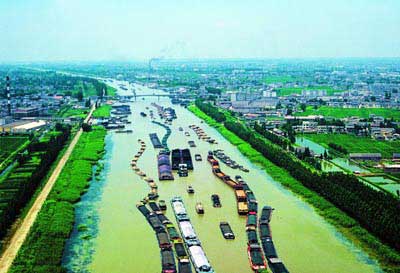
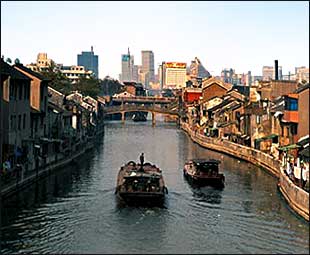
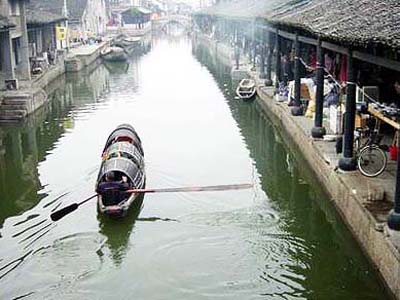
The Beijing-Hangzhou Grand Canal is also known as the Grand Canal and is the longest and earliest artificial river in the world. This canal is about ten times to that of the length of Suez Canal and about twenty two times to that of Panama Canal. It originates in the north near Beijing and ends in Hangzhou to the south. Five river systems and six provinces are connected by this canal. In history, this canal served as the artery of communication between north and south.  For over 2500 year, many rich historical relic sights have been discovered along this river. Like the Great Wall of China, this canal is regarded as one of the greatest project of Chinese ancient time.

Beijing-Hangzhou Grand canal

Beijing-Hangzhou Grand canal

This canal is divided into mainly seven parts having different names- Tonghui River, North Canal, South Canal, Lu Canal, Middle Canal, Li Canal and Jianganan Canal. Each of these canals lies in the different province of China. Scenery along each of these sections of the canal is very charming and worth visiting. However, the sceneries in the Hangzhou Province are most attractive and marvelous. More than 40 sites can be admired and they include various museums, squares, parks, bridges, temples and local residences.

Beijing-Hangzhou Grand canal

Beijing-Hangzhou Grand canal

You can take a cruise on the Grand Canal in the section where it passes through the Jiangsu and Zhejiang Provinces. The first ever cruise line on Grand Canal was launched in the Wuxi City of Jiangsu Province in the early 1980s. it has attracted a lot of visitors from worldwide. The line later was expended to more cities which include Changzhou, Suzhou, Hangzhou and Yangzhou.

There are Cruise Ships available on this canal from Yangzhou to Suzhou. In the section of Hangzhou, you can find many Hydro-busses leaving from different wharf offering visitors a chance for admiring the scenery of canal in less than two hours.


Hanshan Temple (Cold Mountain Temple)

The poem of A Night Mooring near Maple Bridge was written by the Zhang Ji, who was a poet of Tang Dynasty. In this poem, Zhang has described that the midnight bell ringing of the Hanshan Temple or The Cold Mountain Temple. Since that time, this temple has become very famous and especially for its Buddhism culture and bell rings.

Hanshan Temple

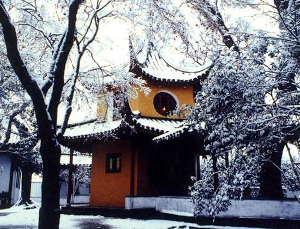
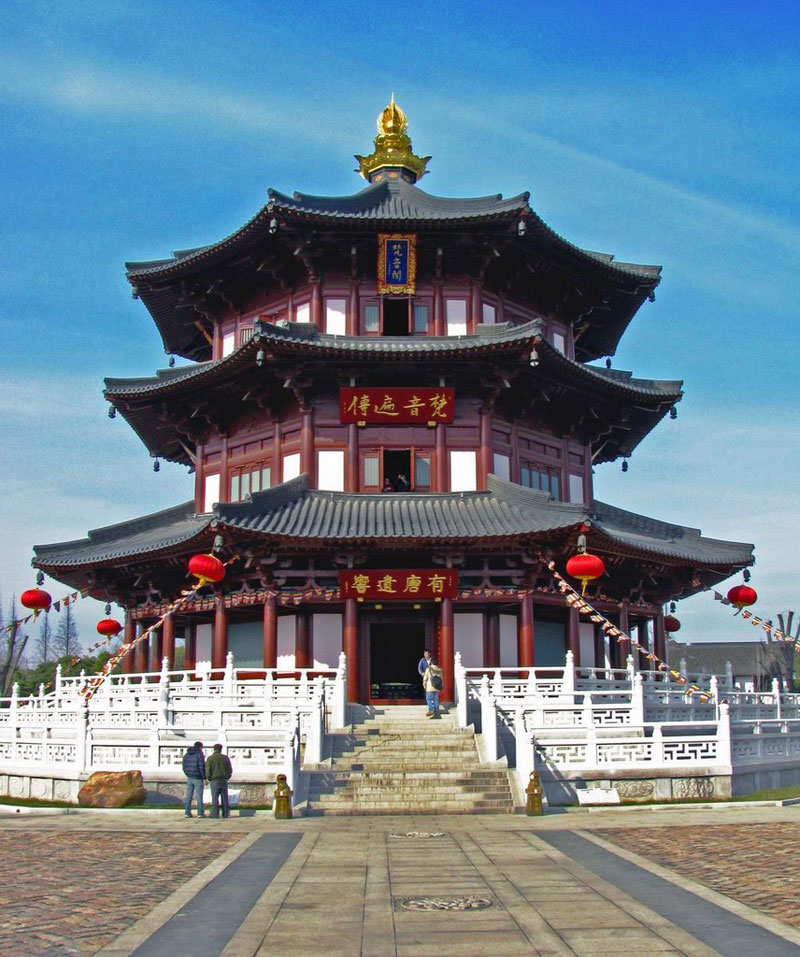
This temple is situated at about three miles or five kilometers from the Fengqiao Old Town of Suzhou. It is said that during the Tang Dynasty, a famous monk Han Shan had came to take the charge of the temple and hence this temple was named after him. It was originally built during the Liang Dynasty and was repaired in the following dynasties. It covers an area of about three acres or 10,600 square meters and represents the architectural style of Qing Dynasty. It includes Sutra Collection Building, Grand Prayer Hall, Fengjiang Pavilion, Bell Tower and Tablet Corridors. In the year 1995, a five storey Buddhism pagoda which is about 138 feets in height and called as Puming Pagoda was erected. It became the symbolic building of this temple. There are many other historical relics in this temple like statue of han Shan, the stone tablet inscription of A Night Mooring near Maple Bridge poem and few other tablet inscriptions written by some famous intellectuals of ancient China.

Hanshan Temple

Hanshan Temple

Hanshan Temple is one of the most famous temples in the Chinese history and often boasts about its bell rings. This bell was modeled in the year 1904 which is not on the tower. Every year on the Eve of New year of Chinese lunar calendar, this bell is tolled for praying for the safety and happiness of the coming New Year and this festival attracts hundred of tourist from domestic and abroad.

The Hanshan Temple is a Buddhist Temple and the statue of Buddhist Patriarch Sakyamuni is there for people for making offerings in the Hall of Grand Prayer. There are bronze statue of three eminent monks in the Hongfa hall which are Xuang Zang, jian Zhen and Kong hai. This temple is the place where most important Buddhism activities are held.

!–EndFragment–> y steles and tablets, paintings and calligraphies in this garden including some precious artworks from Ming Dynasty.


Tiger Hill

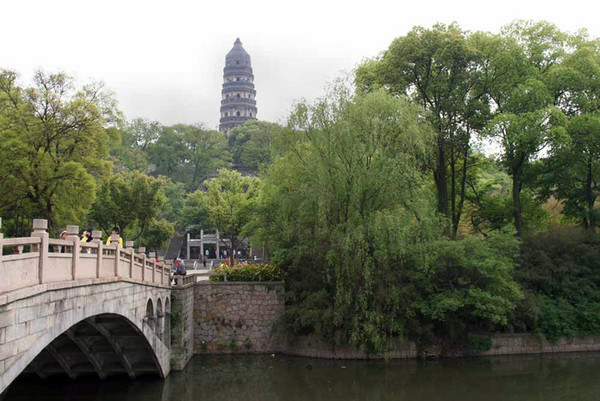
Su Shi, a famous poet of Song Dynasty said, ‘It is a lifelong pity if having visited Suzhou you did not visit Tiger Hill’. This shows the importance of this local beauty spot having many attractions which this article will endeavor describing for you.

Also known as the Surging Sea hill, the Tiger Hill is a large hillock which covers over three acres or about 14100 square meters and about 36 meters or 118 feet in height. You will find many historical sites which traced back to about 2500 year ago while climbing on this hill. It is a small hill but having rich history.

Tiger Hill

The tomb of King He Lu is famous as in 496 BC during the autumn and Spring Period, He Lu, King of Wu was perished during the war fought against Yue. His son buried him within this hill and after three days after the funeral white tiger came and sat upon the grave as guarding it. Since then, it is being known as the Tiger Hill.

Tiger Hill Pagoda lies on the summit of hill and Yunyan Temple’s Pagoda. It is one of the oldest pagodas in Suzhou and has become a symbol of this city. It has the distinction of being the Leaning Tower of China. It was built during Song Dynasty and is seven storeys after the style of the timber pagodas which was build during the early period of Tang Dynasty.

Tiger Hill

Sword Testing Stone and Sword Pool is the another attractive destination of Tiger hill. King He Lu was a collector of rare swords which he tested them upon this stone. The crevice in the rock is the evidence for the existence of these swords and it is believed that they were buried under the Sword Pool as funerary project. Other interesting places are the Lu Yu well which is famous as Lu Yu has excavated this well and declared that the water of this well is the 3rd best in China and also for the Lu Yu tea growing and consumption. Verdant Mountain Villa and Wanjing Villa are some other attractions.


Zhouzhuang Water Town

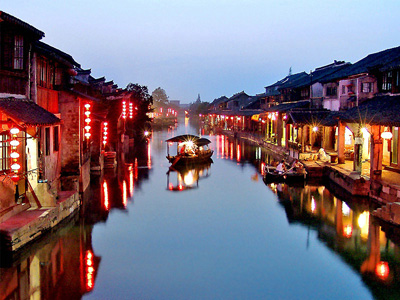
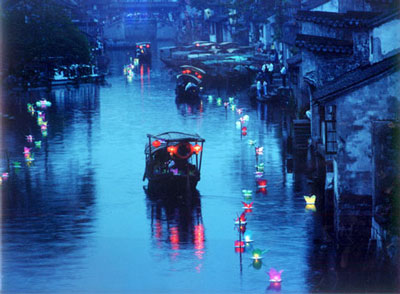
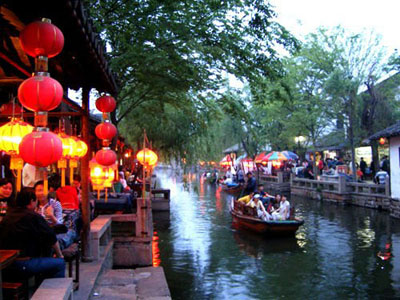
Zhouzhuang Water town, situated in the Kunshan City is the most famous water town in China. It is about 30 kilometers to the southeast of Suzhou. It has profound cultural background, elegant watery view, well preserved residential houses of ancient times and strong local customs and traditions. Zhouzhuang was the part of fief Yaochen and known as Zhenfengli in the autumn and Spring Period during 770 to 477 BC. Ti was donated to the Full Fortune or Quanfu Temple by Zhou Digong which was a very devout Buddhist in the year 1086, during the Northern Song Dynasty; it has got its present name in the memory of the donor.

Zhouzhuang Water Town

Zhouzhuang Water Town

It has an area of about half of a square kilometer or 124 acres and 60 percent of structure of Zhouzhuang was built during the period of Ming and Qing Dynasty. You can have the breathtaking sights by taking the convenient transport in Zhouzhuang, gondola.

Zhouzhuang is divided and surrounded by many lakes, rivers and bridges along the rivers which show distinctive views of the water town. The twin Bridges Yongan Bridges and Shide bridges are most famous and considered as the symbol of Zhouzhuang. Twin bridges look like the old style Chinese key. Fuan Bridge was built in the year 1355 during the Yuan Dynasty and is located at the eastern end of Zhongshi Jie. It is combination of single arch bridge and towers of this bridge are used as tea rooms, stores and restaurants. It is the best place for appreciating the views while taking a rest.

Zhouzhuang Water Town

Zhouzhuang Water Town

Shen house is located at the southeast of Fuan Bridge and was built in 1742. It was private property of Shen Wansan who was the first millionaire of Jiangnan or the South of Yangtze River during the early of Ming Dynasty. This has architecture of Ming Style and covers are area of about two thousand square meters. It has over 100 rooms and divided into three sections. Each section is connected by the aisles and arcades. The first on is the water gate where the family of Shen washed clothes and moored boats and middle part has the tearoom, gate tower and main hall. Other attractions include Zhang House,  Milou Tower and Hengxu Taioist Temple.


Lion Grove Garden (Shizilin)

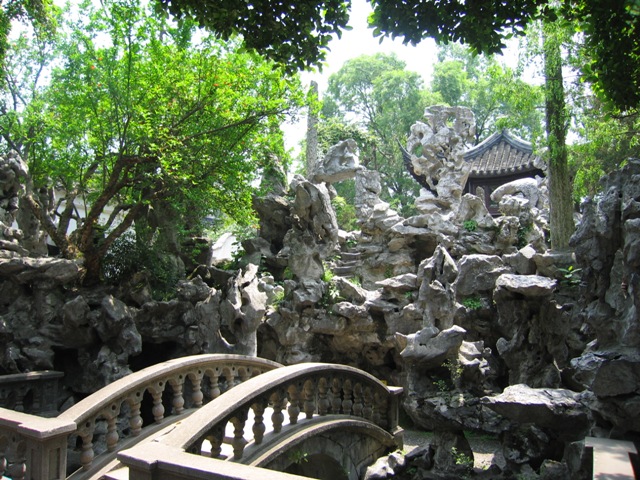
Lion Grove Garden is located in the north east of Suzhou city at 23 Yuanlin Road and has a profound cultural background with convenient development advantages. It is one of the four most popular gardens representing gardens of ancient and classical style of Suzhou City.

Lion Grove Garden

It was built by Monk Tianru and a group of Xen Buddhist disciples in 1342 during the Yuan dynasty in the memory of their master Monk Zhongfeng. This garden has been changed hands and renamed many times. It has significant history as Monk Zhongfeng has apperceived the sutras of Buddhism at the Lion Cliffs on the Xitianmu Mountain in the Zhejiang Province. There are many rocks in the shape resembling Lion in this garden. This garden was given the name of Lion Grove at first and this was changed to the Bodhi Orthodox Temple or Puti Zhengzong in the year 1342. This garden has been a popular center of activities and literati’s and Buddhism activities. Many poems and paintings were inspired by this garden at that time. After the death of Monk Tianru and disbandment of disciples, this garden grew dilapidated day by day. In the year 1589 during the Ming Dynasty, Monk Mingxiang rebuilt the garden and the temple which was seperated during the reign of the Emperor Kangxi of Qing Dynasty. The Governor of Hengzhu, Huang Xingzu bought this garden and renamed it to She Garden. The garden was repaired and decorated by his son Huang Xi and gave a new name Five-Pine Garden in the year 1771. It was again ruined due to the downfall of Huang and purchased by Bei family in the year 1917. Later it became steady and well protected after 1949.

Lion Grove Garden

It covers and are of about ten thousand square meter and ideal for site seeing as it has ornamental towers and pavilions in different style and each one having his own story and history. True Delight Pavilion is one of them and is magnificent due to its royal style. The other attractions are Standing in Snow Hall which has a Buddhist story and Pavilion for Greeting the Plum Blossoms where poets and painters indited. There are plum trees all around the pavilion and the utensils and furniture are decorated and carved beautifully with the plum blossom designs. There are many stales and tablets, paintings and calligraphy in this garden including some precious artworks from Ming Dynasty.


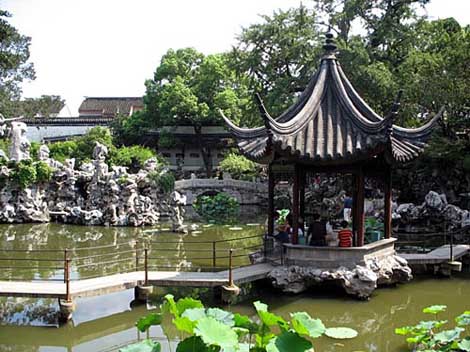
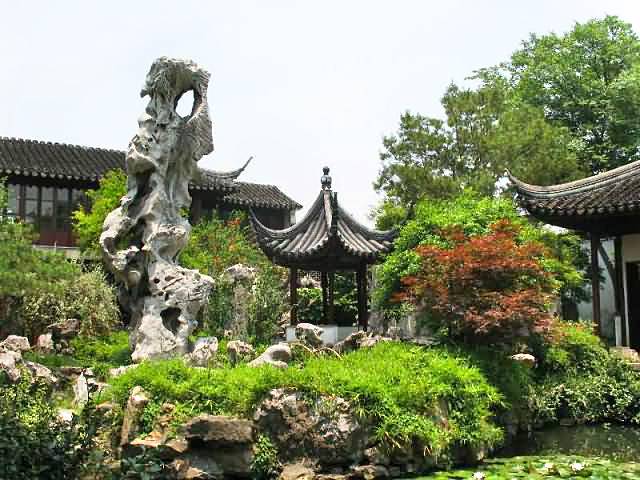
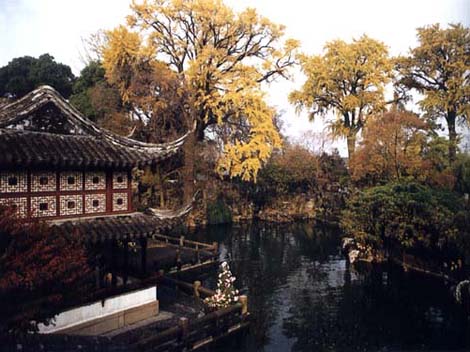
Lingering Garden

Lingering Garden occupies an area of about 23,300 square meters or about 5.8 acres and is located outside the Changmen Gate of Suzhou in the Jiangsu Province. It was originally a private garden and one of the four most famous gardens of China. It posses the typical Qing Style and is well known for its exquisite beauty of its magnificent halls and the buildings having various shapes, sizes and colors. This Garden was also listed in the world heritage site by UNESCO in the year 1997.

The lingering Garden

It has a history of over 400 years and has changed several times since then. Each of the owners did his best to make this garden a perfect one. It was build for the first time in the year 1593 during the period of Ming Dynasty by Xu Tai, a retired official. It was bought by Li Shu during the Qing Dynasty. As a lover of calligraphy, he had carved masterpieces on the both sides of the corridors of the buildings. He had also collected the unusual shaped stones in the garden. The succeeding owners also followed his model while doing the restoration works. This garden almost demolished in the year 1930 and was repaired by the government and made open to the public.

Like the other famous gardens of Suzhou, this garden also creates the stunning natural landscapes within the limited space. This garden has domiciles, private gardens and ancestral temples. There are buildings, trees and flowers blended harmoniously in the surroundings of this garden. This garden is divided into central, eastern, western and northern parts according to the style of the buildings.

The Lingering Garden

The central part of this garden is the main essence of the whole complex. This was the original Lingering Garden and other parts were added during the Qing Dynasty. You can reach there after going through the winding corridors from gate of the garden. The central part is divided into eastern and western part. The former part has pools and hills while later part dominates in classical buildings. The Celestial Hall of Five peak is the largest hall in the eastern part of the garden and western part has natural scenery.


Humble Administrator’s Garden

The beautiful water side city of Suzhou in the Jiangsu Province in the Southern part of China is very famous for its elegant classic gardens. The Humble Administrator’s is one of them covering an area of about 52 thousand square meters and it is one of the most renowned and largest gardens. Due to its ethereal beauty and unique design, this garden has gained many special honors. It has been listed in the World Cultural Heritage Site and also has been designated as one of the Cultural Relics of National Importance and Special Tourist Attraction of China. It is also one of the four most famous gardens of China.

Humble Administrator's Garden

The Humble Administrator’s Garden was originally built during the Ming Dynasty in the year 1509. It was initially a private garden of the former government servant, Wang Xianchen. It is said that he intended to build a garden after his retirement and just do some gardening work such as planting trees and vegetable there, which was said to be a life of the humble man by him. And from this the name of this garden was called as the Humble Administrator’s Garden. The Garden was created upon the old relics of a temple and a resident. Water feature is main background of this garden along with the natural landscapes which includes hills, small forests and rock formations. It also has some man-made pavilions, parlors and halls. Unlike the Grand View Garden or the some other famous gardens of Beijing, it represents the building style of Ming Dynasty.

Humble Administrator's Garden

This garden has mainly three sections that are Eastern, Western and Central sections and some of the residents of its former owners. The resident houses have typical style of Suzhou Local residences and whose features could be seen in the famous water township of Zhouzhuang which is not far from the city of Suzhou. The sites of the residences have been rebuilt like the Garden Museum now.


The Master-of-Nets Garden

The Master of nets Garden is the example of the smallest package that contains the most magnificent gift. It is one of the smallest residential gardens of Suzhou and it is most impressive one. It creates the illusion of that area that is greater than its actual size. The mood of tranquility as well as harmony of this garden is more than the architectural achievement which makes this garden unique.

The Master-of-Nets Garden

The exquisite design of this garden came into existence during the Song dynasty as a part of the residence which was used until the Taiping Rebellion in 1860s. Later, it was restored and becoming a residence of the government official from whom the garden has got its name.

This garden is divided into three sections that are a residential section, an inner garden and the central main garden. There is a large pond in the main garden surrounded by the pathways and variety of buildings like the Ribbon Washing Pavilion and the Pavilion for the advent of the Wind and Moon. There are also many building that are situated so that there is no sense of crowding and always feel of spaciousness.  As it is common in most of the Suzhou garden, there is a small pavilion in the pond and this pavilion can be accessed by a bridge which is less than one foot width.

The Master-of-Nets Garden

You can get the views of the beautiful plants and flowers farming while walking along the garden and along the walkways through the windows from a distance. This will draw a single sight of peaceful natural beauty in your mind. As you will walk through the buildings, you can image the life that the original residents lived in a feudal society and these gardens were solely for the purpose of their pleasure and the pleasure of their guests. Many buildings are constructed which will give you the access to the main garden from any room. These rooms are very much impressive in ornamentation and design and represent the style of the Song Dynasty.


« Older posts Newer posts »

© 2025 China Yangtze.com

Theme by Anders NorenUp ↑