China Yangtze.com

China Yangtze River Information: cruises, maps, pictures, ships, three gorges dam.

The Majestic Yellow Crane Tower: A Must-See Landmark in Wuhan, China

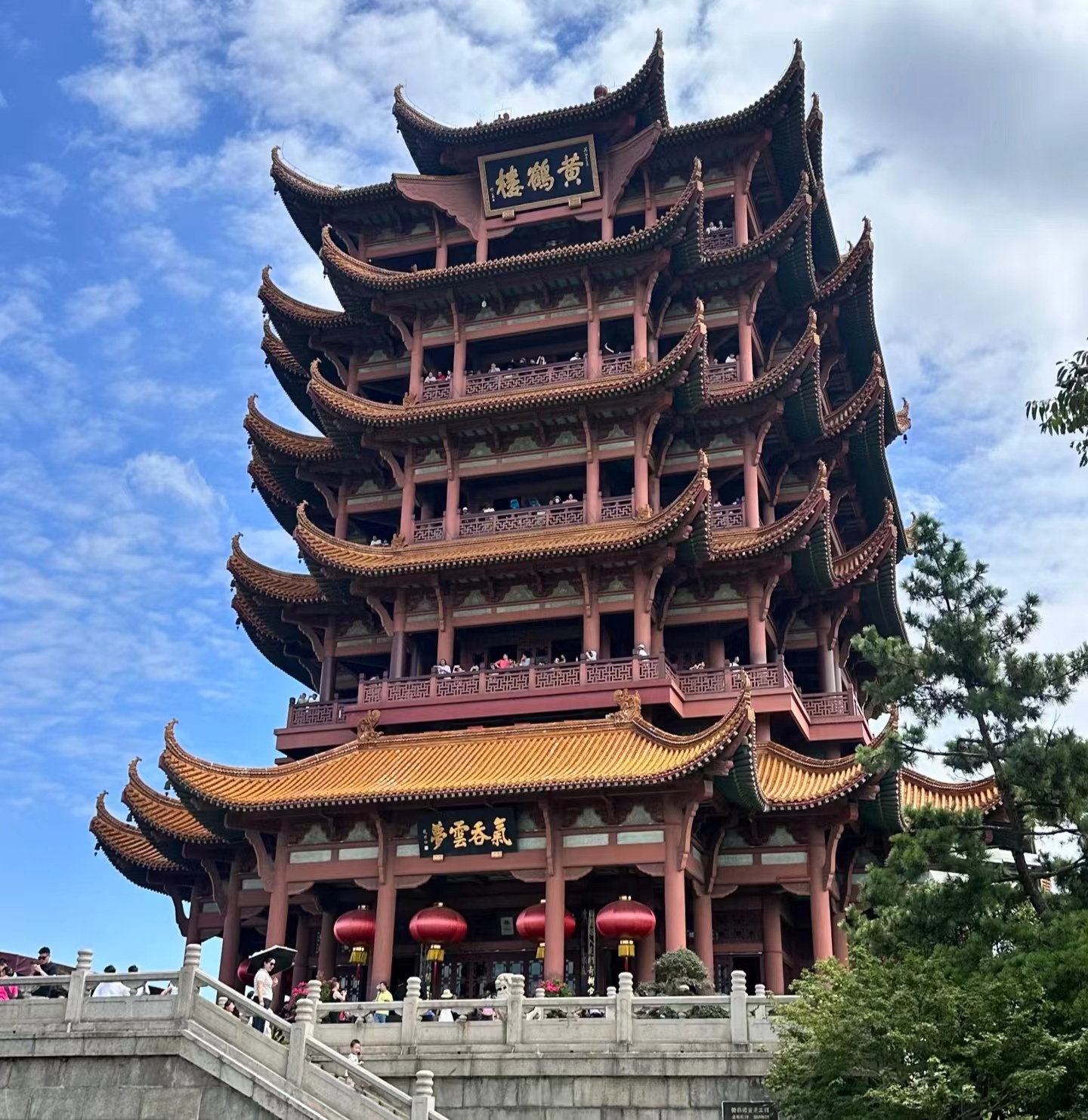
Located in the heart of Wuhan, China, the Yellow Crane Tower (黄鹤楼) is not just an architectural marvel but a cultural icon with centuries of history. Towering above the Snake Mountain on the southern bank of the Yangtze River, this majestic structure has been a symbol of Chinese heritage, inspiring poets and visitors alike. Whether you’re a history enthusiast, a lover of stunning views, or simply seeking things to do in Wuhan, the Yellow Crane Tower offers a truly unforgettable experience.

A Cultural Symbol of China

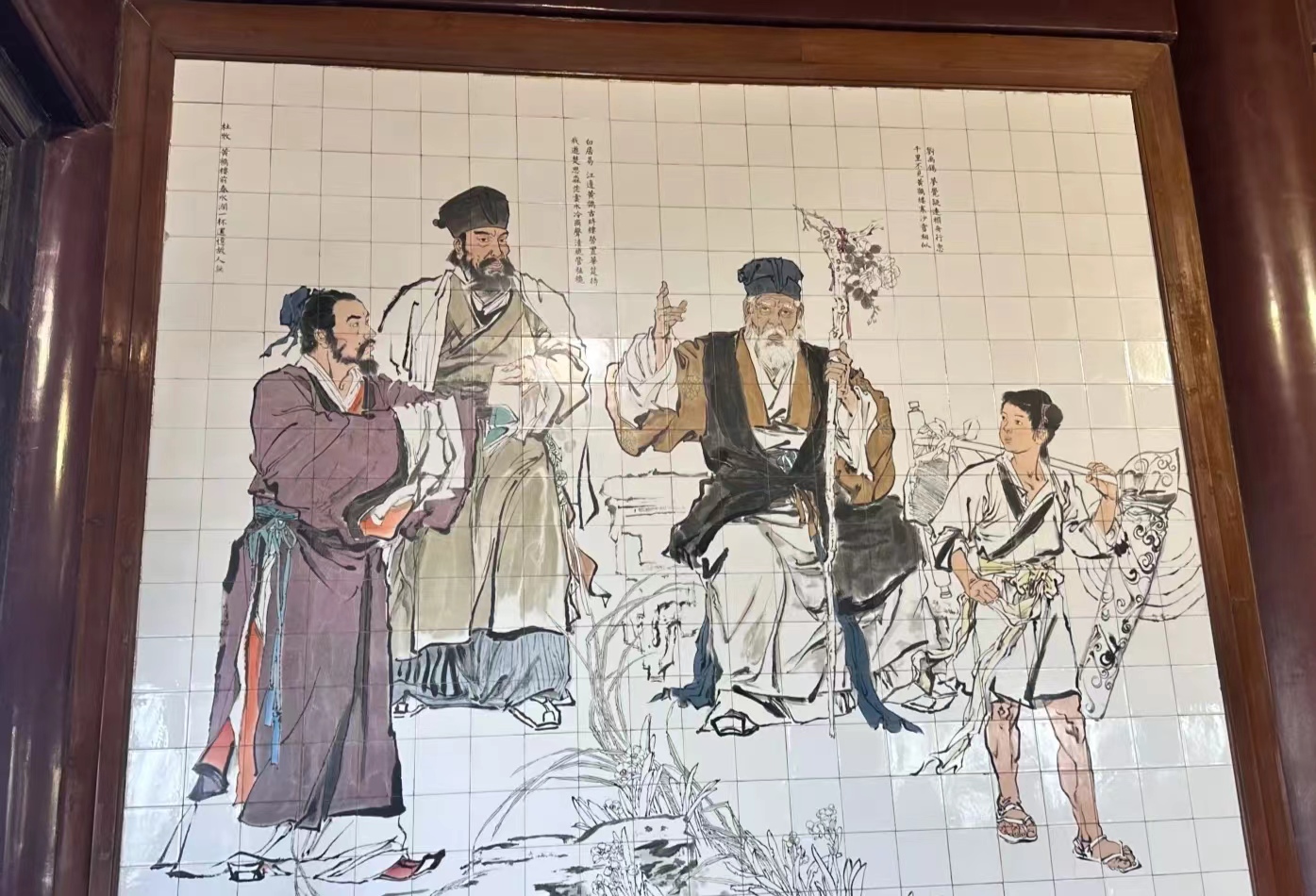
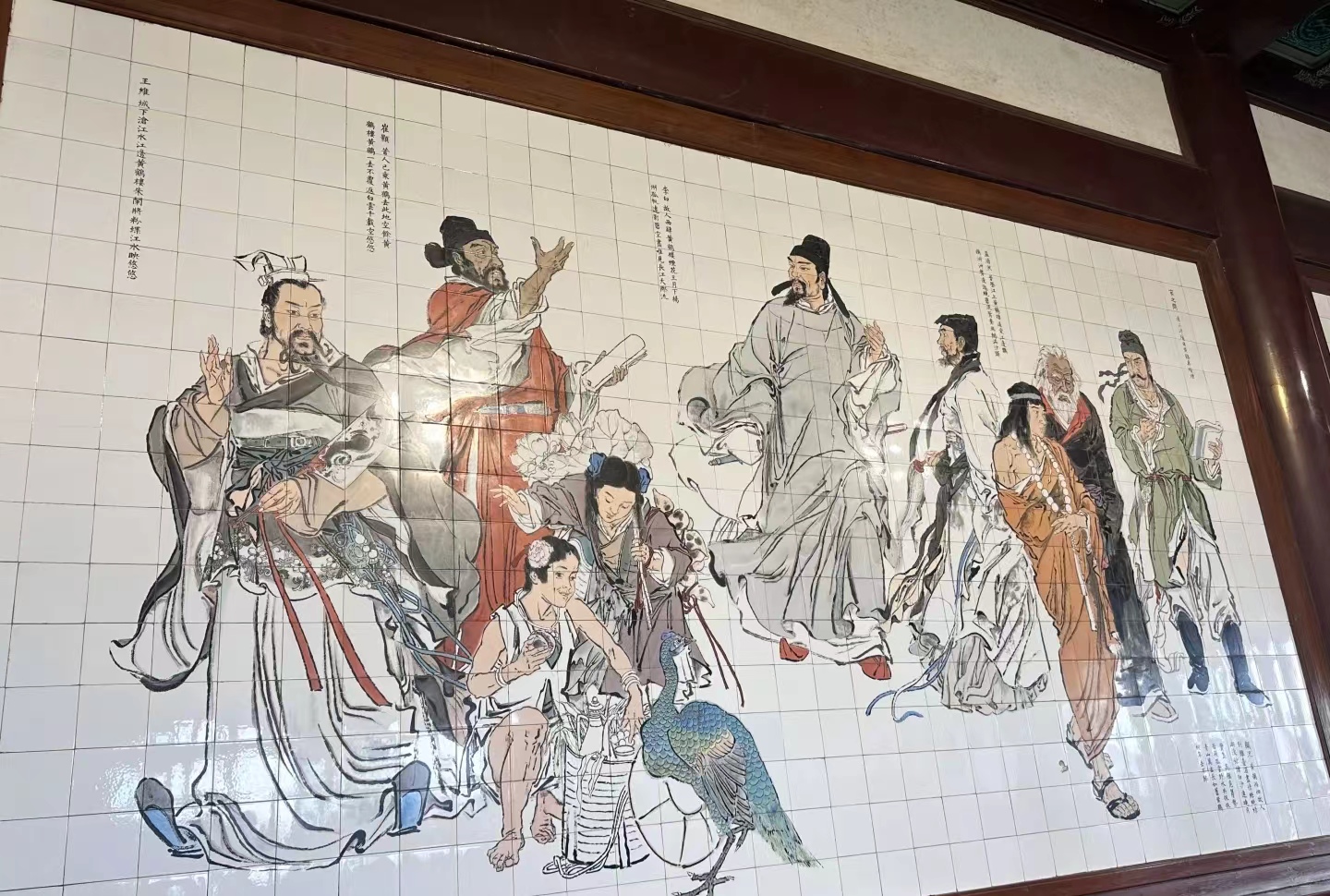
The Yellow Crane Tower was first built during the Three Kingdoms period (around 223 AD) in the state of Wu. The current structure, however, was rebuilt in 1985 based on historical blueprints. The tower stands as a symbol of Wuhan and China’s cultural and historical richness, attracting millions of travelers from around the world. Famous Chinese poets and writers have long used the tower as inspiration, and it’s most notably featured in the poem Yellow Crane Tower by the Tang Dynasty poet Cui Hao:

“昔人已乘黄鹤去,故人西辞黄鹤楼。
黄鹤一去不复返,白云千载空悠悠。
晴川历历汉阳树,芳草萋萋鹦鹉洲。
日暮乡关何处是?烟波江上使人愁。”

崔颢《黄鹤楼》

This iconic poem captures the tower’s deep cultural significance and its role in Chinese literature and art.


Unique Architecture and Scenic Views
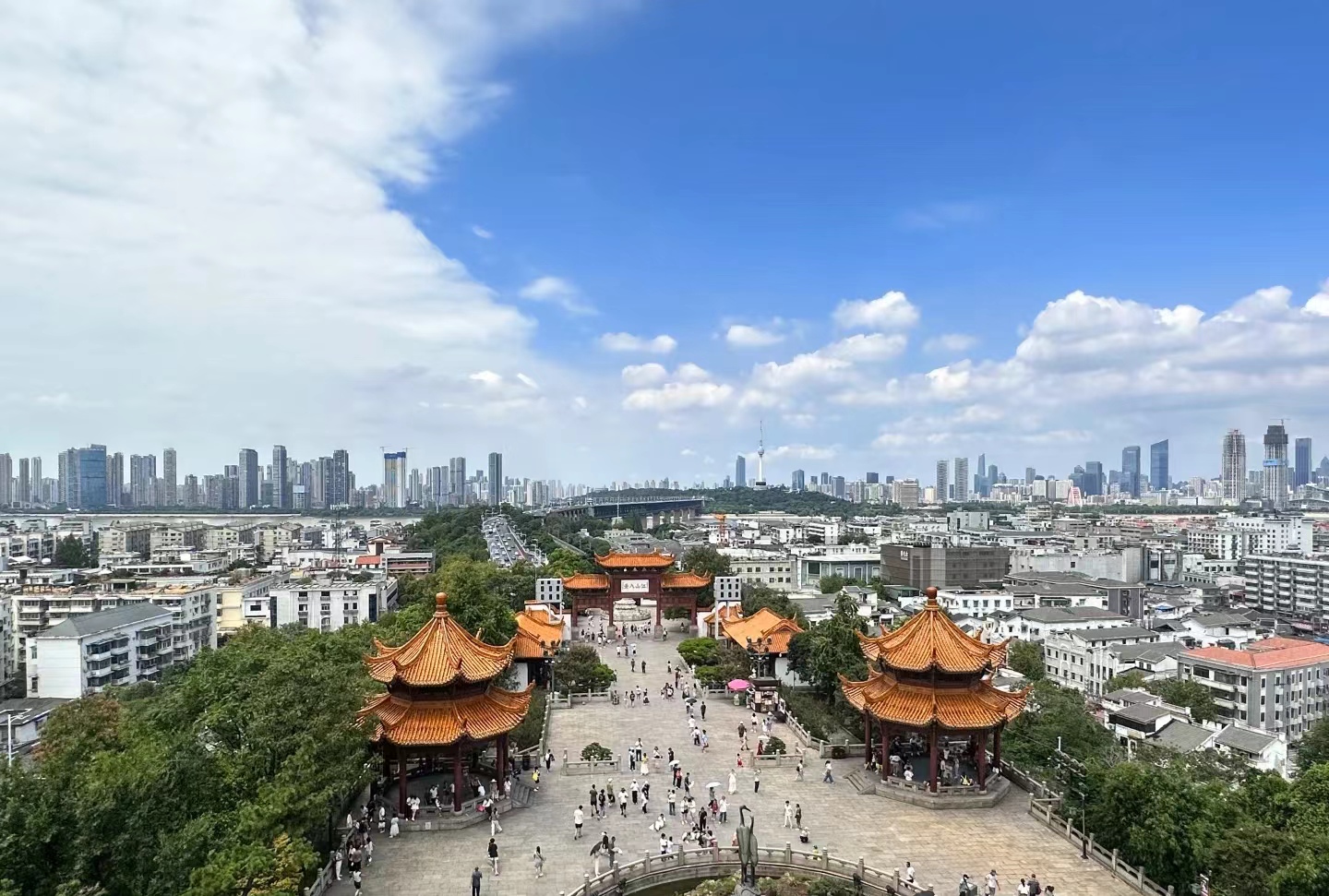
The Yellow Crane Tower is located at the top of Snake Mountain, offering spectacular views over Wuhan and the Yangtze River. During the day, the tower’s traditional architecture and surrounding greenery provide a peaceful and scenic atmosphere. At night, the tower is illuminated by a stunning array of lights, making it look like a sparkling gem sitting gracefully on the river. From the top, visitors can enjoy a panoramic view of the city, especially the confluence of the Yangtze and Han Rivers, a sight that is both breathtaking and serene.

Architecturally, the tower blends elements of ancient Chinese palaces and pagodas. The three-story structure features intricately carved woodwork and colorful decorations that give it an elegant yet ancient charm. Inside, visitors can explore various exhibits related to the tower’s history, including ancient poems, calligraphy, and cultural artifacts from Wuhan.


Things to Do at Yellow Crane Tower
  1. Climb to the Top for Spectacular Views
    The most popular activity is to climb to the top of the tower. From there, you’ll be able to enjoy panoramic views of Wuhan’s urban landscape, the bustling Yangtze River, and the surrounding scenic areas.
  2. Immerse Yourself in Culture and History
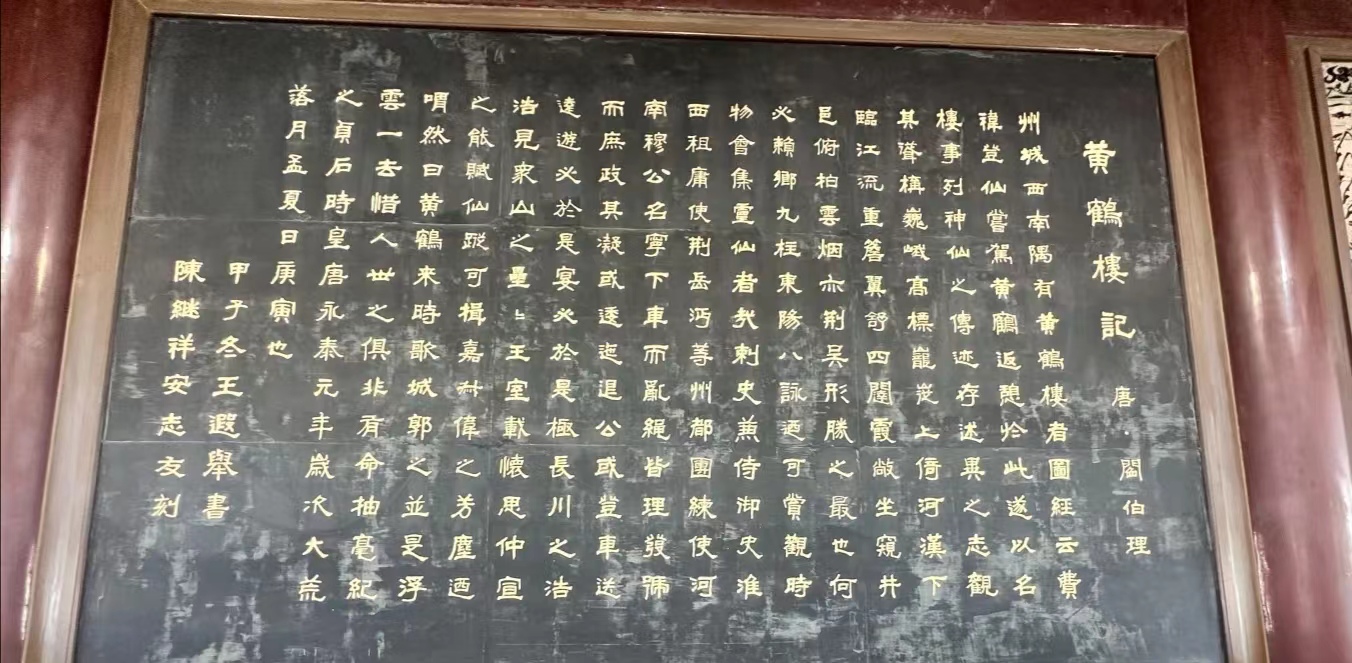
    Inside the tower, you’ll find displays of ancient poems, calligraphy, and artifacts that provide insight into Wuhan’s rich cultural heritage. It’s a great place for those who enjoy learning about history and tradition.
  3. Taste Authentic Wuhan Cuisine
    Around the Yellow Crane Tower, you can find many local eateries and food stalls offering Wuhan’s famous street food. Be sure to try hot dry noodles (热干面), a beloved dish in the city, along with doupi (bean curd skin) and three-flavor tofu skin.
  4. Experience Cultural Events and Performances
    During special festivals or holidays, the area around the tower hosts traditional cultural performances, including ancient music concerts, calligraphy exhibitions, and poetry recitations. These events offer a deeper connection to Wuhan’s vibrant cultural life.

Must-Try Local Delicacies

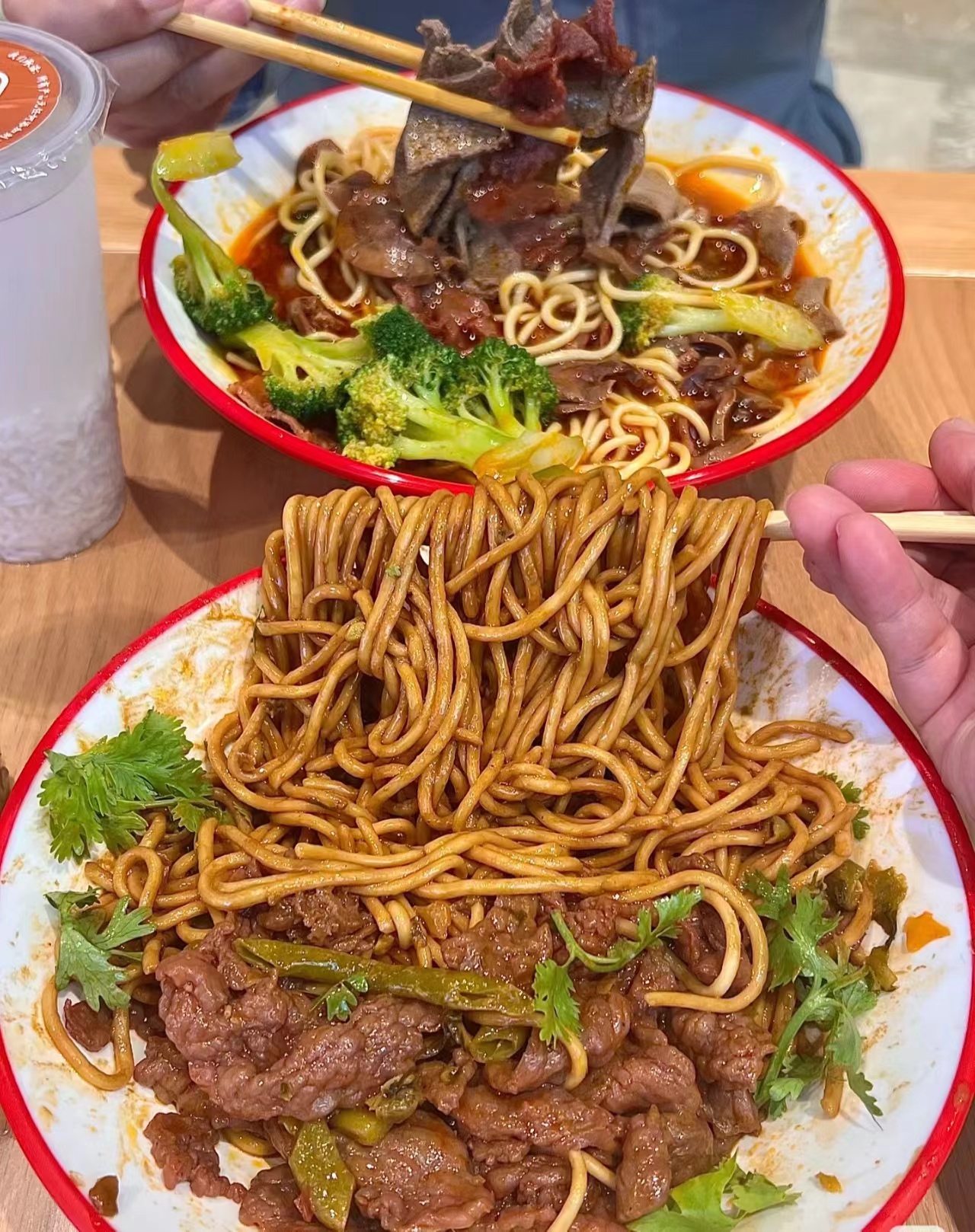
Hot Dry Noodles (热干面)
This iconic Wuhan dish features noodles mixed with sesame paste, pickled vegetables, and soy sauce. It’s a quick and delicious snack that can be found at street vendors near the tower.
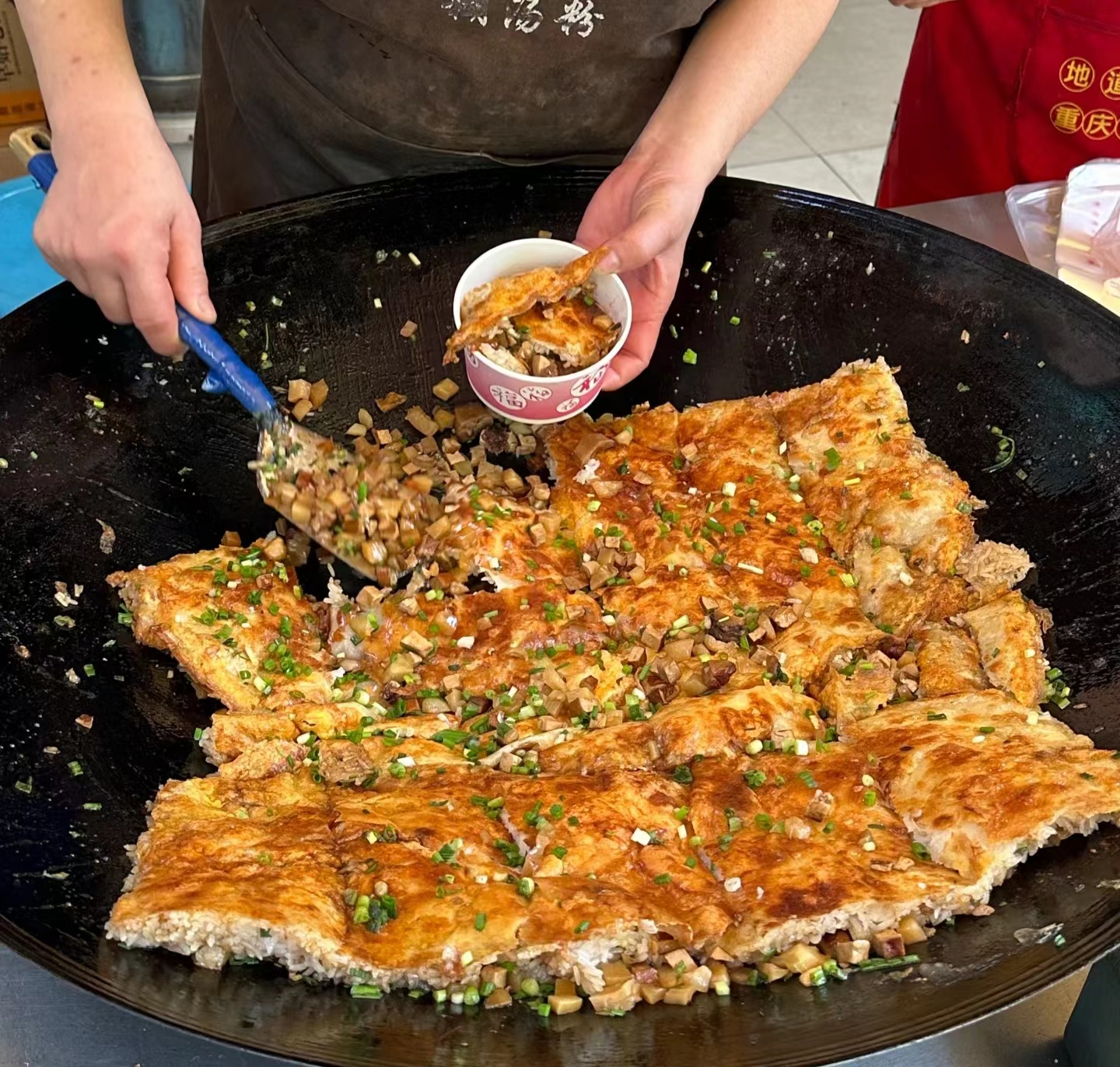
Doupi and Three-Flavored Tofu Skin
For something unique, try Wuhan’s doupi (bean curd skin) or sanxian doufu pi (three-flavored tofu skin). While not directly on the path to the tower, you’ll find many food stalls in the surrounding area offering these tasty local treats.

Where to Stay Near Yellow Crane Tower

Wuhan offers a range of accommodations, from luxury hotels to more budget-friendly options. Here are some recommendations based on your preferences:

  1. Luxury Hotels
  • Hilton Wuhan Optics Valley
    A five-star hotel with all the amenities you could ask for, including fine dining, a fitness center, and a swimming pool. Perfect for travelers looking for luxury and convenience.
  • Wanda Realm Wuhan
    Another five-star option with top-notch facilities including a bar, restaurant, fitness center, and close proximity to shopping areas and entertainment.
  1. Mid-range Hotels
  • Chutian Building Hotel
    A business-friendly hotel with reasonable rates and convenient access to public transportation, offering both Chinese and Western dining options.
  • Wuhan University Youth Hostel
    Located on the picturesque Wuhan University campus, this budget-friendly option offers a peaceful and scenic environment for those who enjoy nature and a quieter atmosphere.

Best Time to Visit Yellow Crane Tower

The best times to visit:Spring and Autumn months, when the weather is mild, and the landscape is lush and beautiful. The mild temperatures and clear skies make for ideal sightseeing conditions.

In Summer, Wuhan get quite hot, need to prepared for the heat and bring sunscreen and water.
In Winter, the temperature drops, and although fewer tourists visit, it’s a great time to enjoy the quiet and peaceful atmosphere.


Whether you’re an avid history buff, a lover of stunning views, or someone seeking authentic Chinese culture, the Yellow Crane Tower is a must-see attraction on your China tour. With its incredible history, breathtaking scenery, and cultural significance, the tower offers a perfect blend of nature and history. Don’t miss the chance to explore this iconic landmark during your visit to Wuhan, and experience the rich traditions that make this part of China so special.
Chongqing Travel: Where Mountain Charm Meets Hotpot Heaven

Nestled among misty hills and flowing rivers, Chongqing, often called “The Mountain City,” is one of the most distinctive destinations in southwest China. It’s a city where futuristic skyscrapers rise from steep cliffs, and ancient traditions blend seamlessly with modern life.
For Western travelers seeking authentic China travel experiences, Chongqing is a feast for the senses—think fog-draped skylines, layered roads, sizzling hotpot, and the famously warm-hearted locals.


Top Attractions in Chongqing

1. Hongya Cave | The Living Canvas of Bayu Culture

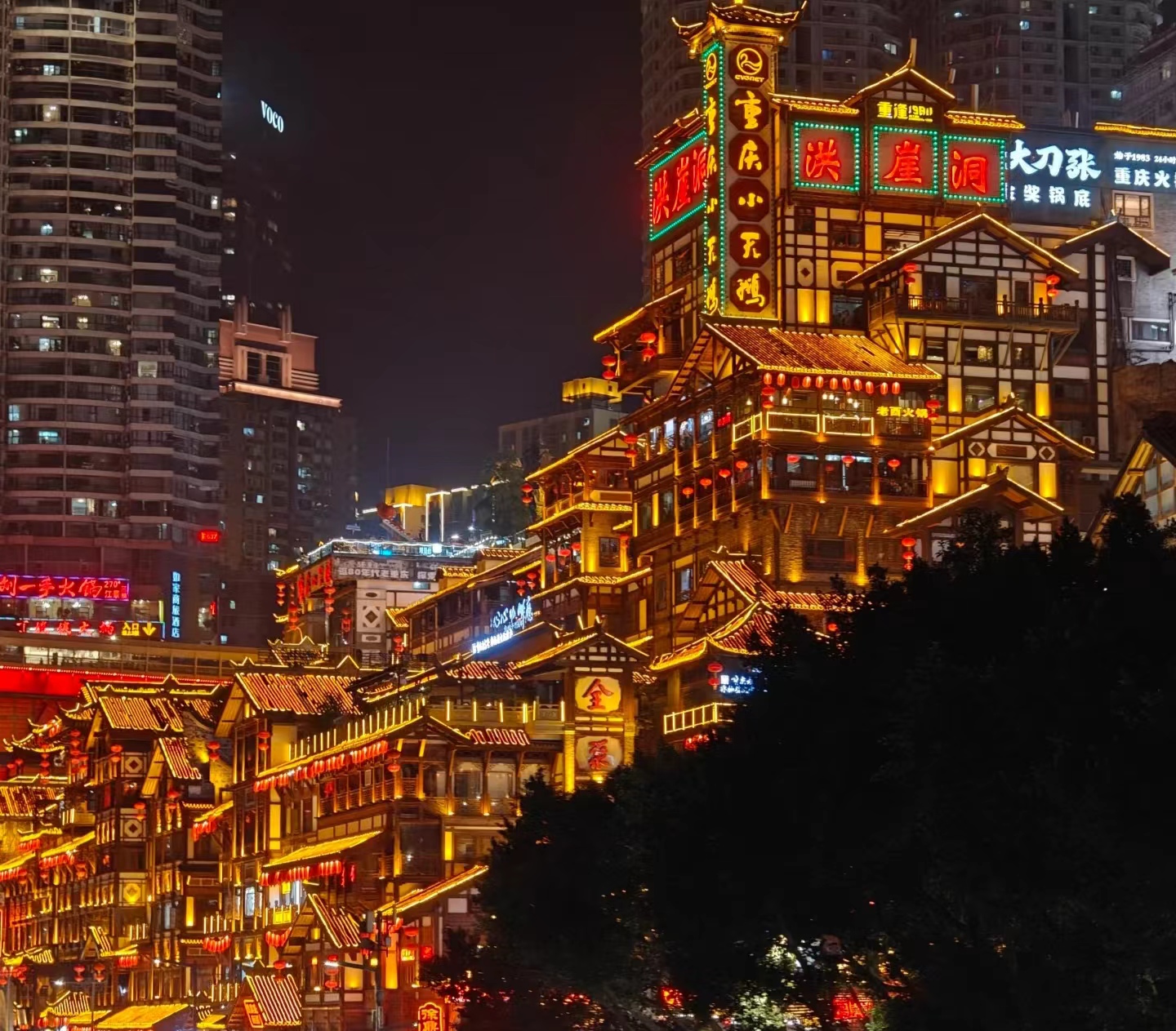
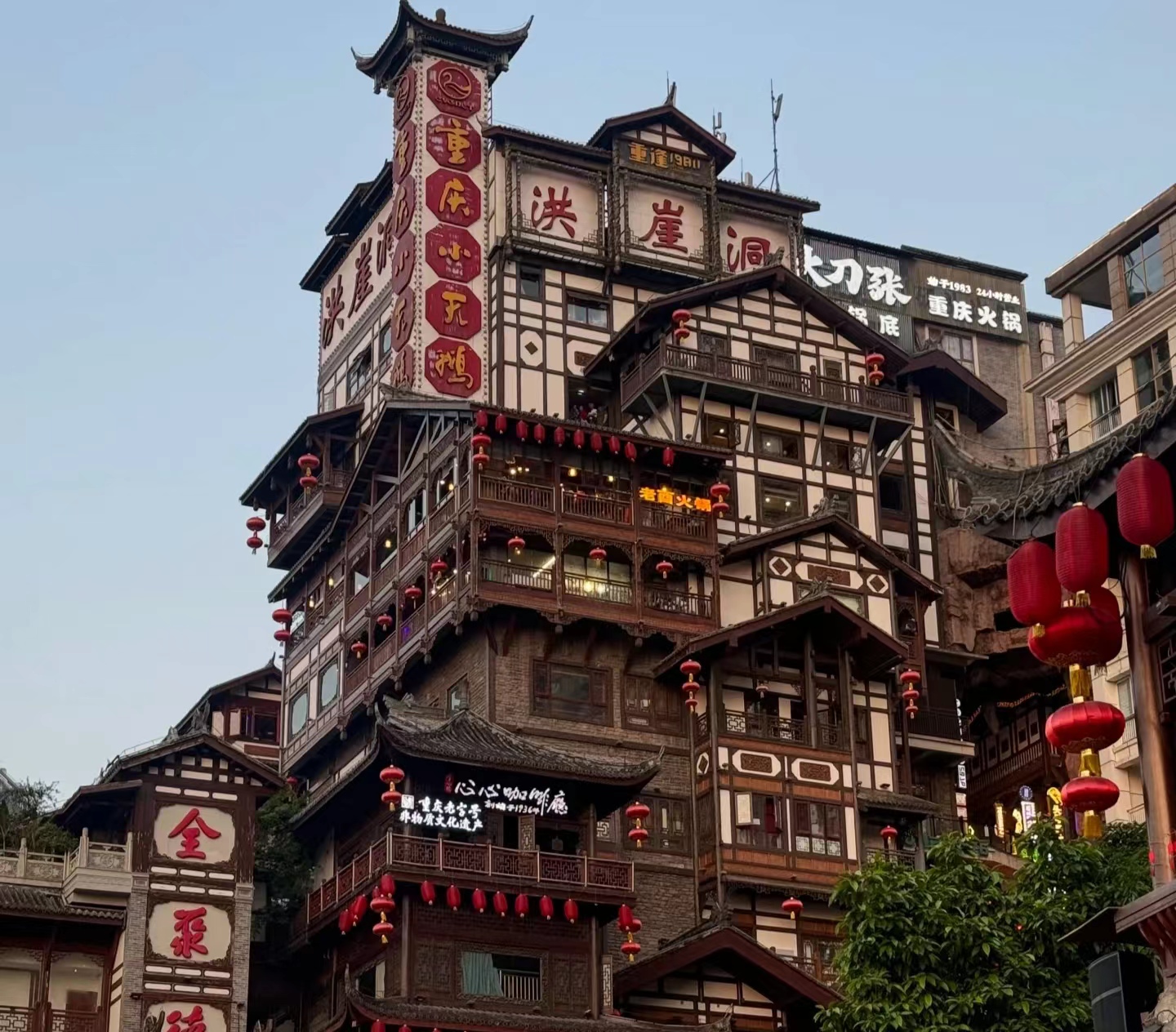
Perched along the Jialing River, Hongya Cave (洪崖洞) is Chongqing’s most iconic landmark. Originally built during the Song Dynasty as Hongya Gate, it has been reborn as a multilevel architectural wonder that fuses ancient Bayu culture with modern aesthetics.

The eleven-tiered wooden complex clings to the hillside, with cable trains slicing through buildings and stairways weaving upward in a maze-like pattern. By night, the glowing lanterns and warm lights transform the place into a scene straight out of a Studio Ghibli film.

What to do at Hongya Cave:

  • Explore the Bayu Folk Street, filled with Sichuan opera masks, embroidery screens, and traditional handicrafts.
  • Watch artisans handcraft lacquerware and bamboo weaves in the Intangible Cultural Heritage Workshops.
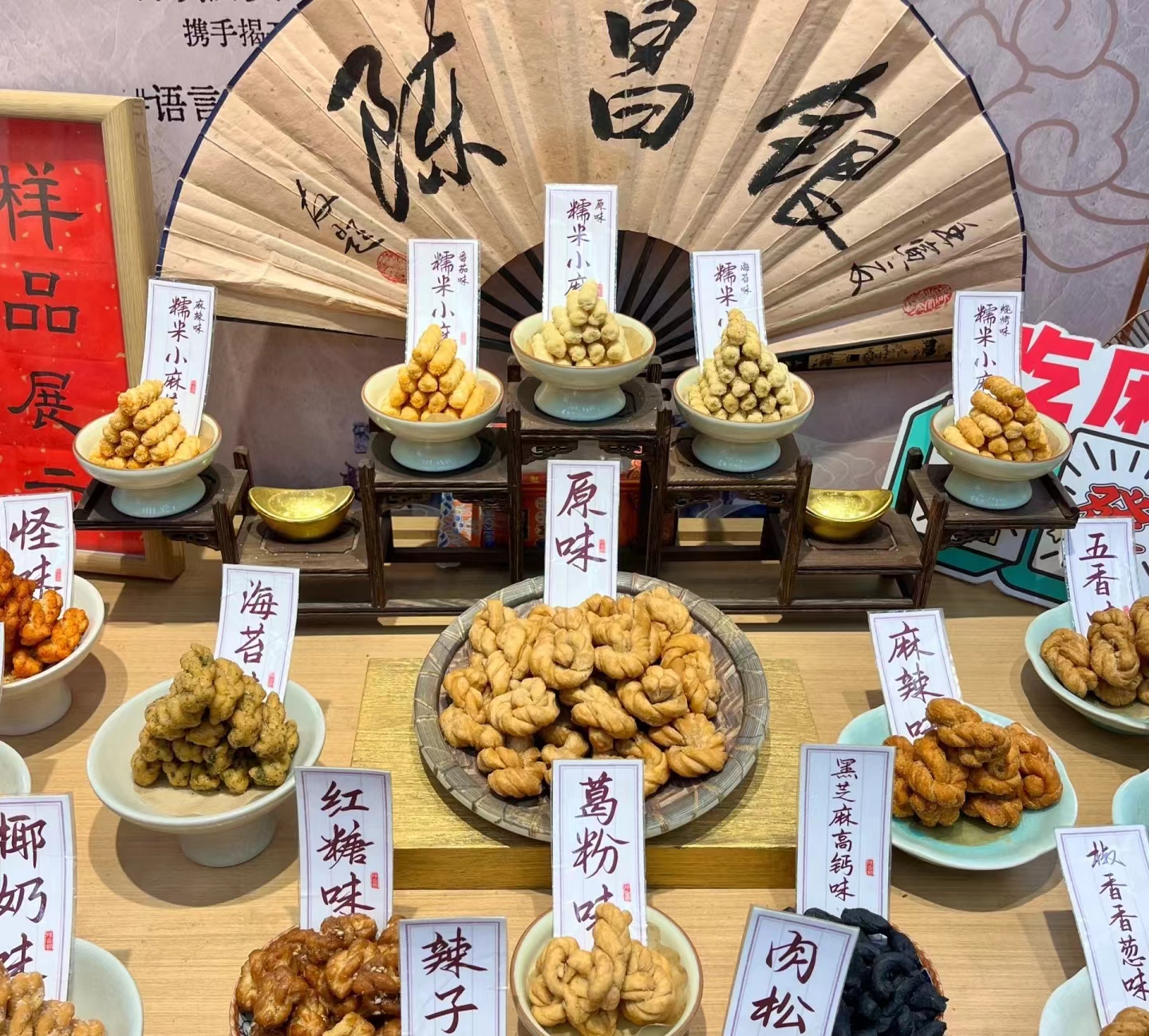
  • Try local snacks—spicy skewers, hot and sour noodles, cold jelly, and the famous Chongqing Hotpot aroma filling the air. Don’t miss Ciqikou Mahua and Old Mountain City Yogurt.

2. Jiefangbei & Bayi Food Street | The Spirit of Liberation and Flavor

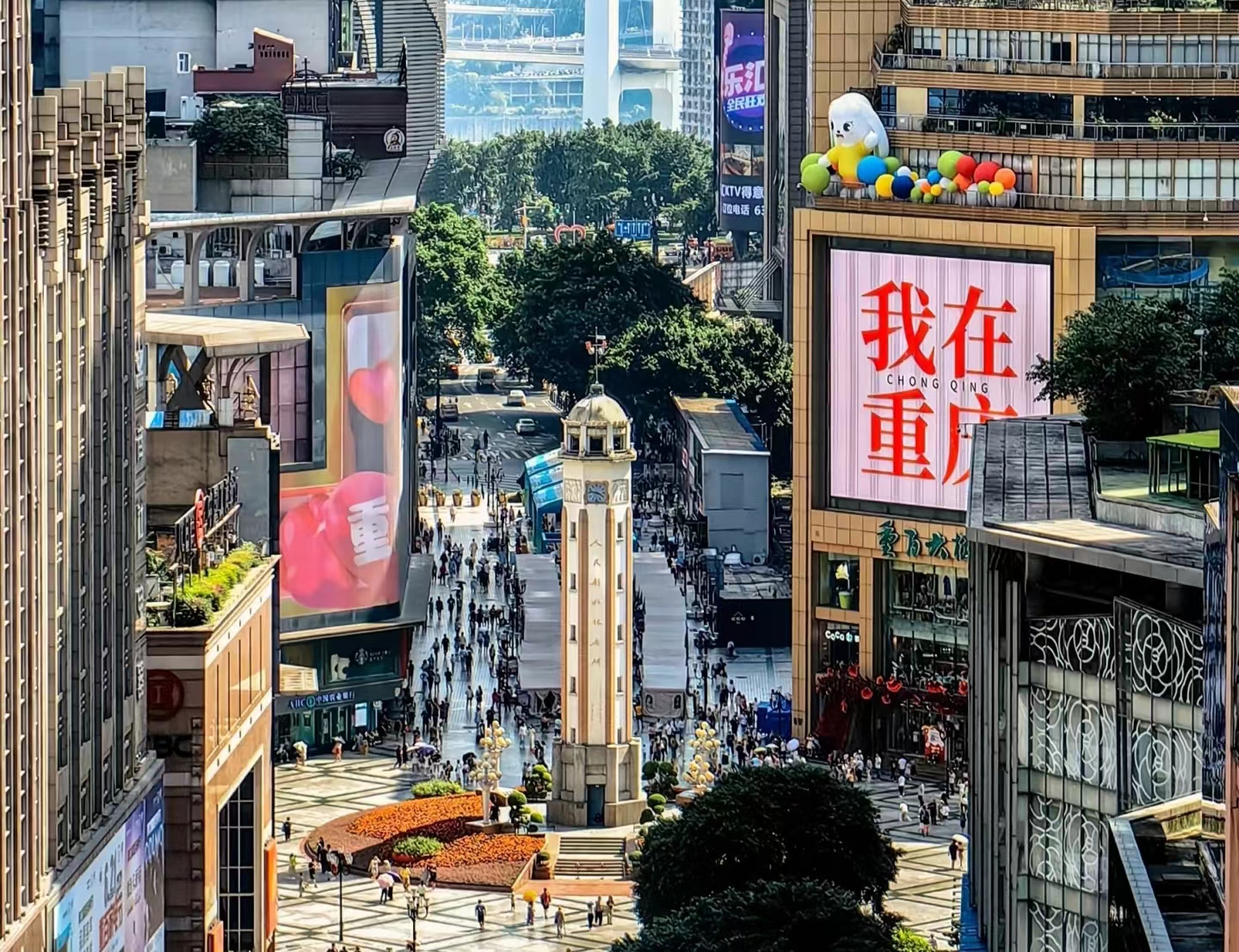
The People’s Liberation Monument (Jiefangbei), once called the Victory Monument of the Anti-Japanese War, stands proudly at the heart of Chongqing’s downtown pedestrian zone. It symbolizes both the city’s resilience and its modern rhythm.

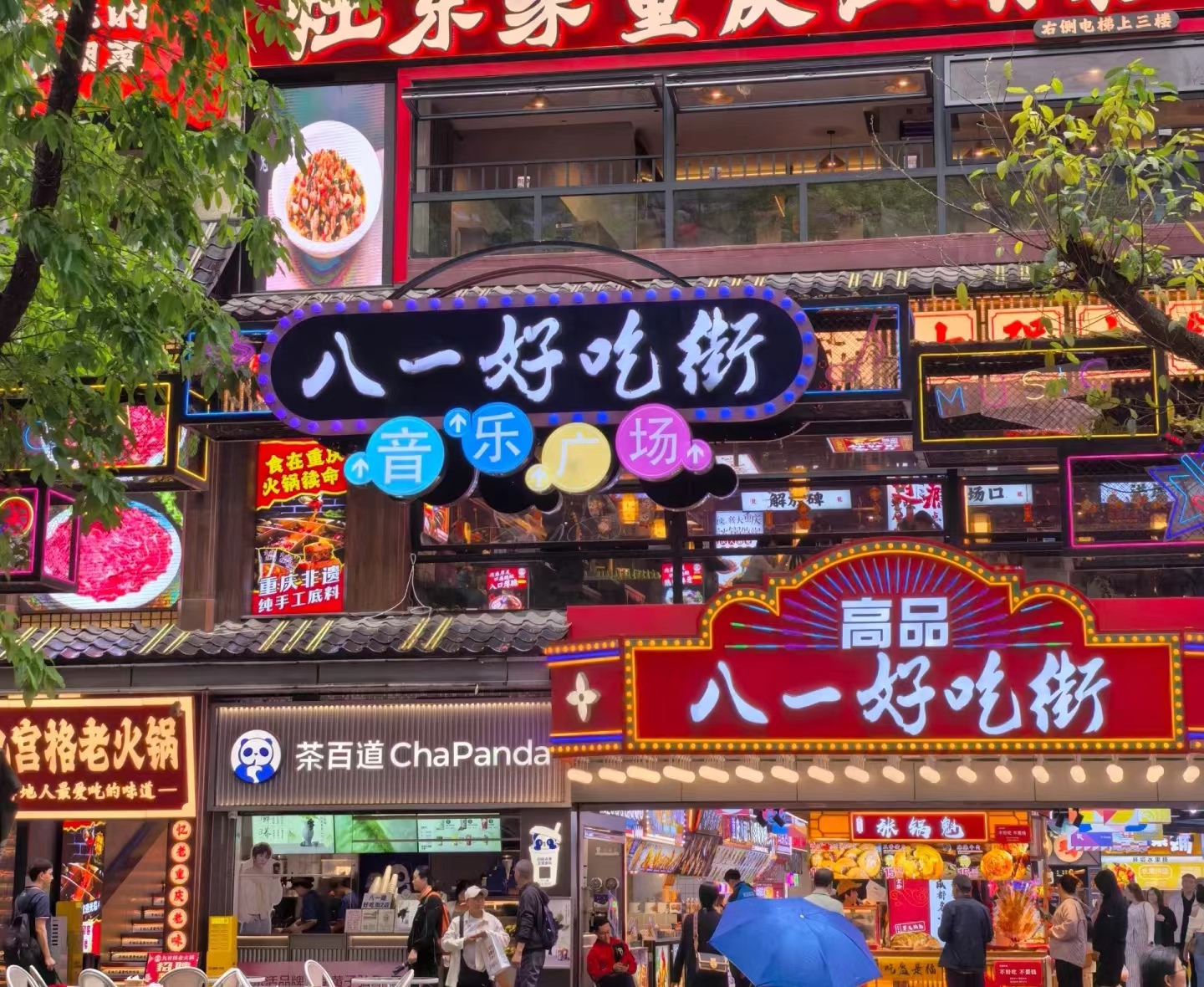
Wander through Jiefangbei Pedestrian Street to shop, watch street performers, and soak up the city vibe. Then follow your nose to Bayi Food Street, a culinary paradise where every stall tells a story.

Must-Try Street Foods:

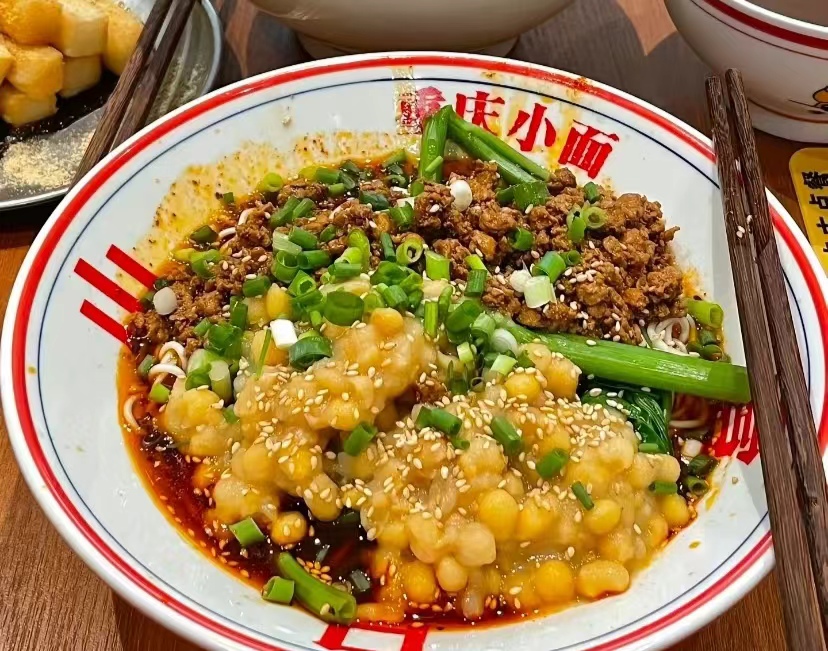
  • Chongqing Noodles (Xiaomian): The city’s superstar street dish—fresh noodles topped with scallions, minced meat, peas, and a spoonful of chili oil that hisses as it hits the bowl.
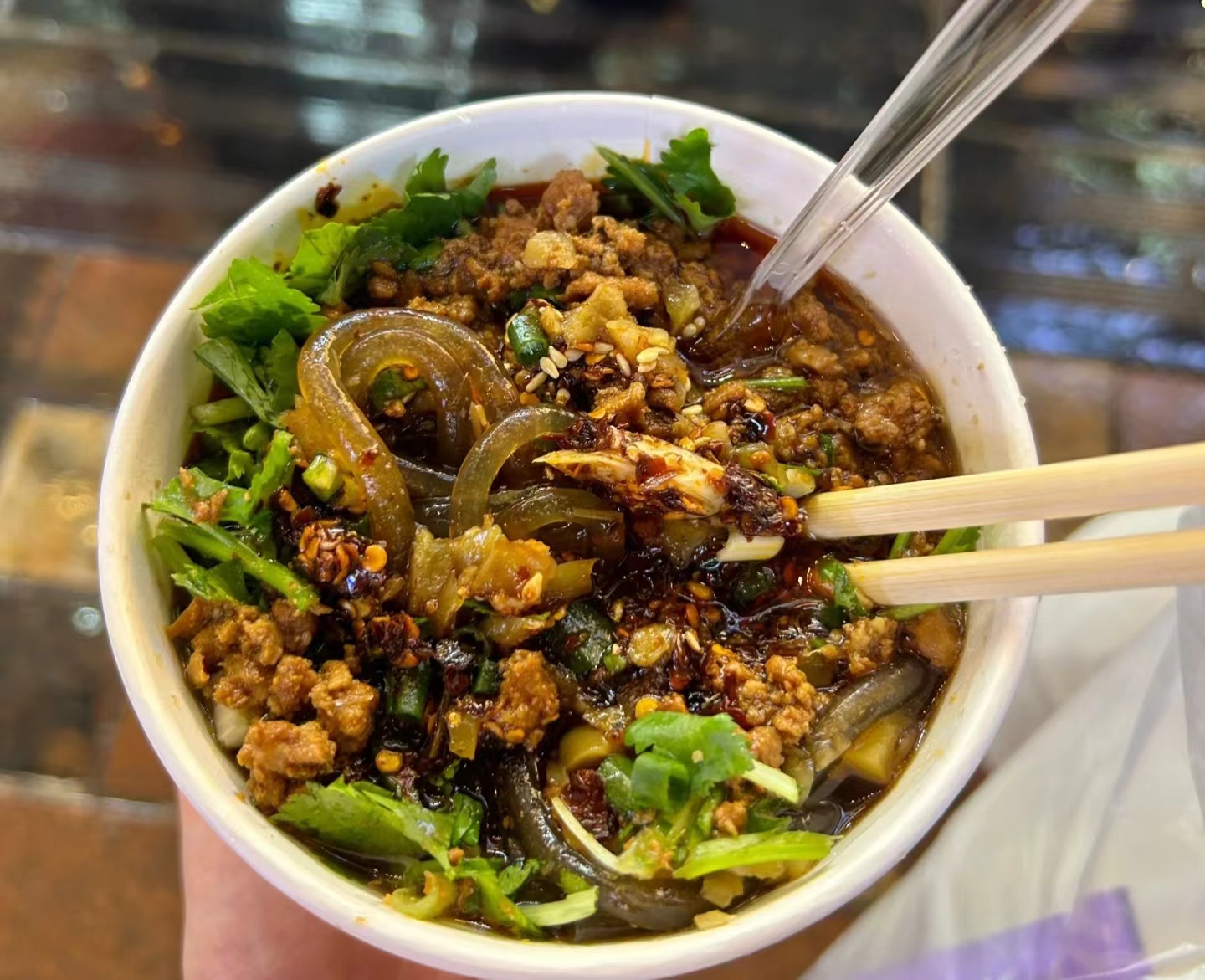
  • Hot and Sour Glass Noodles: A tangy, spicy sensation that wakes up your taste buds like a rollercoaster ride.
  • Braised Chicken Feet (Jianglong Zhuzhua): Tender, flavorful, and melt-in-your-mouth good—an adventurous must-try!

3. Ciqikou Ancient Town | A Step Back in Time

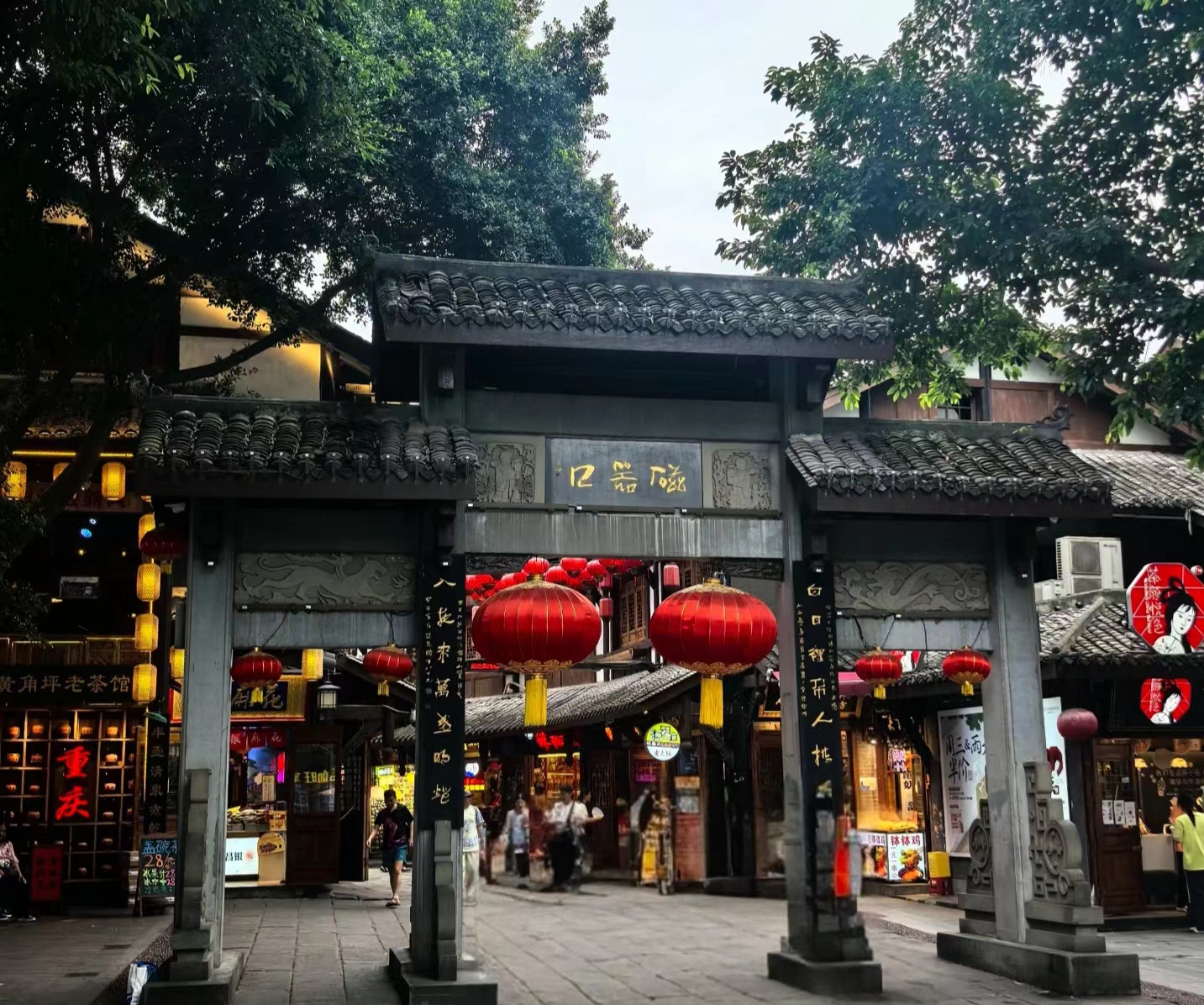
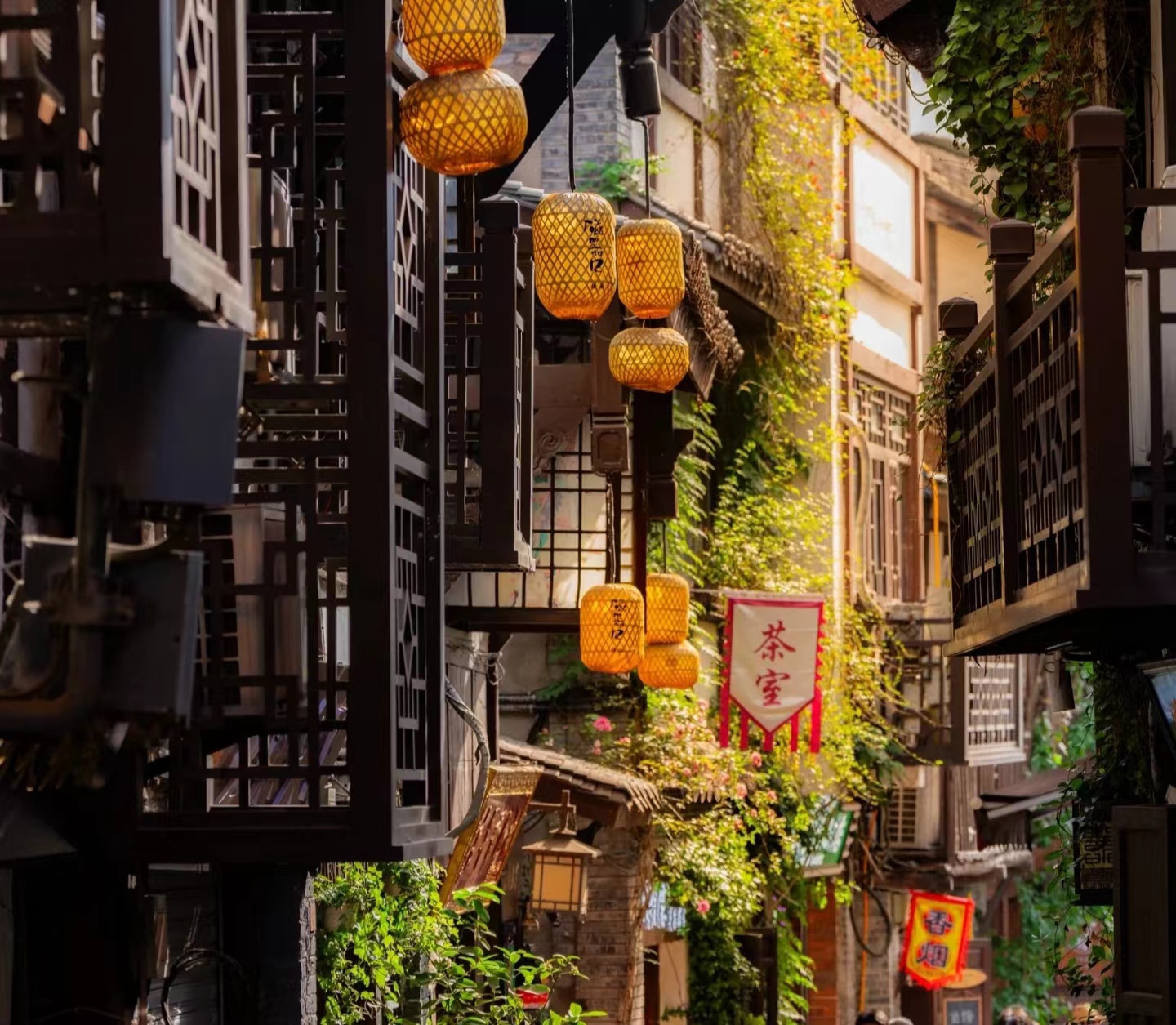
If you want to immerse yourself in traditional Chongqing life, Ciqikou Ancient Town is your best bet. Once a bustling river port on the Jialing River, this cobblestone town is a microcosm of old Chongqing, complete with tea houses, snack stalls, and handicraft shops.

Highlights include:

  • Stilted House Square: Perfect for photos, especially after sunset when the lights come on.
  • Baolun Temple: One of Chongqing’s oldest temples, framed by golden ginkgo trees—ideal for autumn photography.
  • Mahua Museum:

Dedicated to Chongqing’s beloved twisted fried dough snack. Watch artisans make them by hand and taste one fresh from the fryer!


4. Yangtze River Cableway | The Sky Ride Across the City

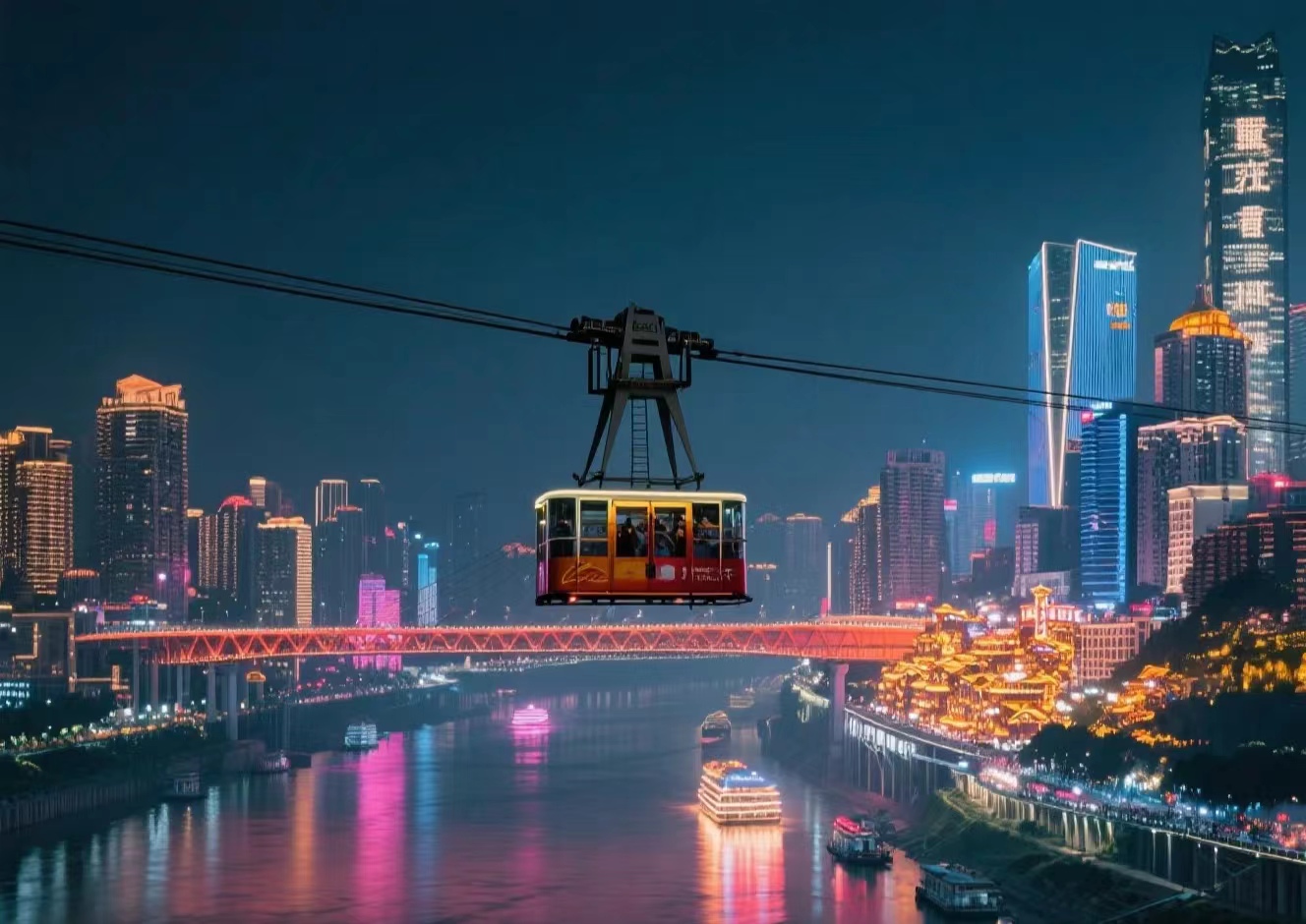
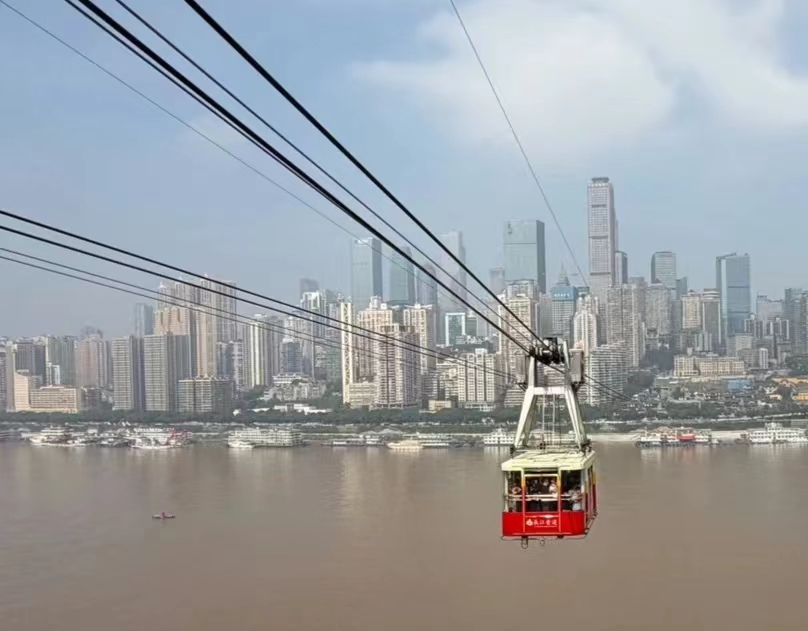
The Yangtze River Cableway is not just transportation—it’s a Chongqing tour highlight. Stretching 1,166 meters across the mighty river, it connects Yuzhong District and Nan’an District, offering unbeatable views of the city’s skyline.

Experience Tips:

  • Ride by day to admire the mountain-and-river panorama.
  • Ride by night for glittering lights reflecting on the Yangtze River.
  • It perfectly symbolizes Chongqing’s three-dimensional urban landscape.

Hours:

  • 8:00 AM–10:00 PM (7:30 AM–10:30 PM on holidays).
    Ticket Prices:
  • 30 RMB one way, 50 RMB round trip.
    Check ahead, as maintenance closures happen monthly.

5. Liziba Station | The Light Rail Through the Building

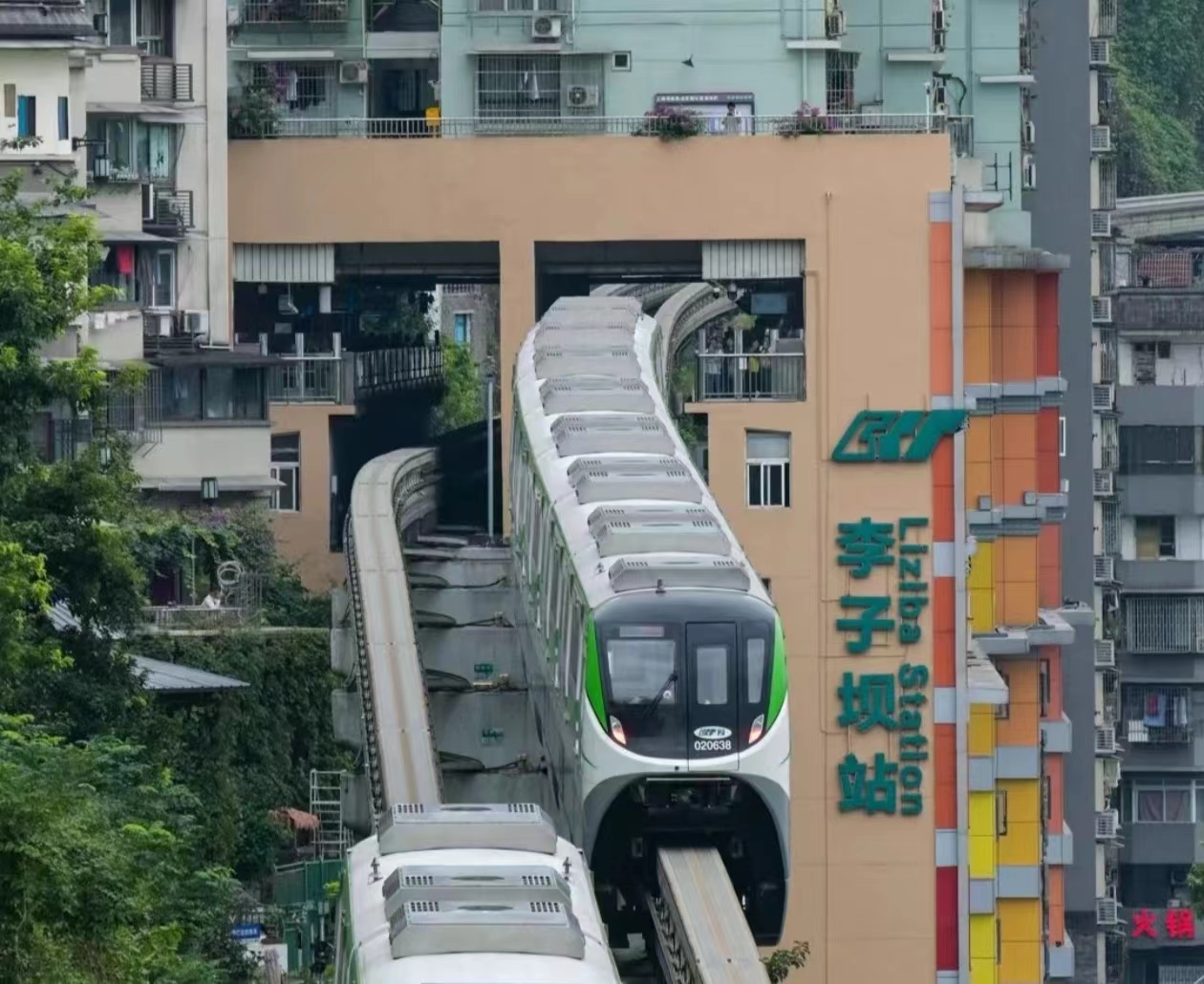
No Chongqing travel is complete without visiting Liziba Light Rail Station—the internet-famous site where the train literally passes through a residential building. It’s a surreal spectacle that perfectly captures the city’s vertical, layered terrain.
Below flows the Jialing River, beyond rise misty hills, and in between, trains zip through walls. This is Chongqing’s “real-life sci-fi cityscape.”


Chongqing Food Guide: A Spicy Affair

Chongqing cuisine is an adventure of flavor—fiery, fragrant, and unforgettable. For many visitors, eating here is the highlight of their Chongqing tour.

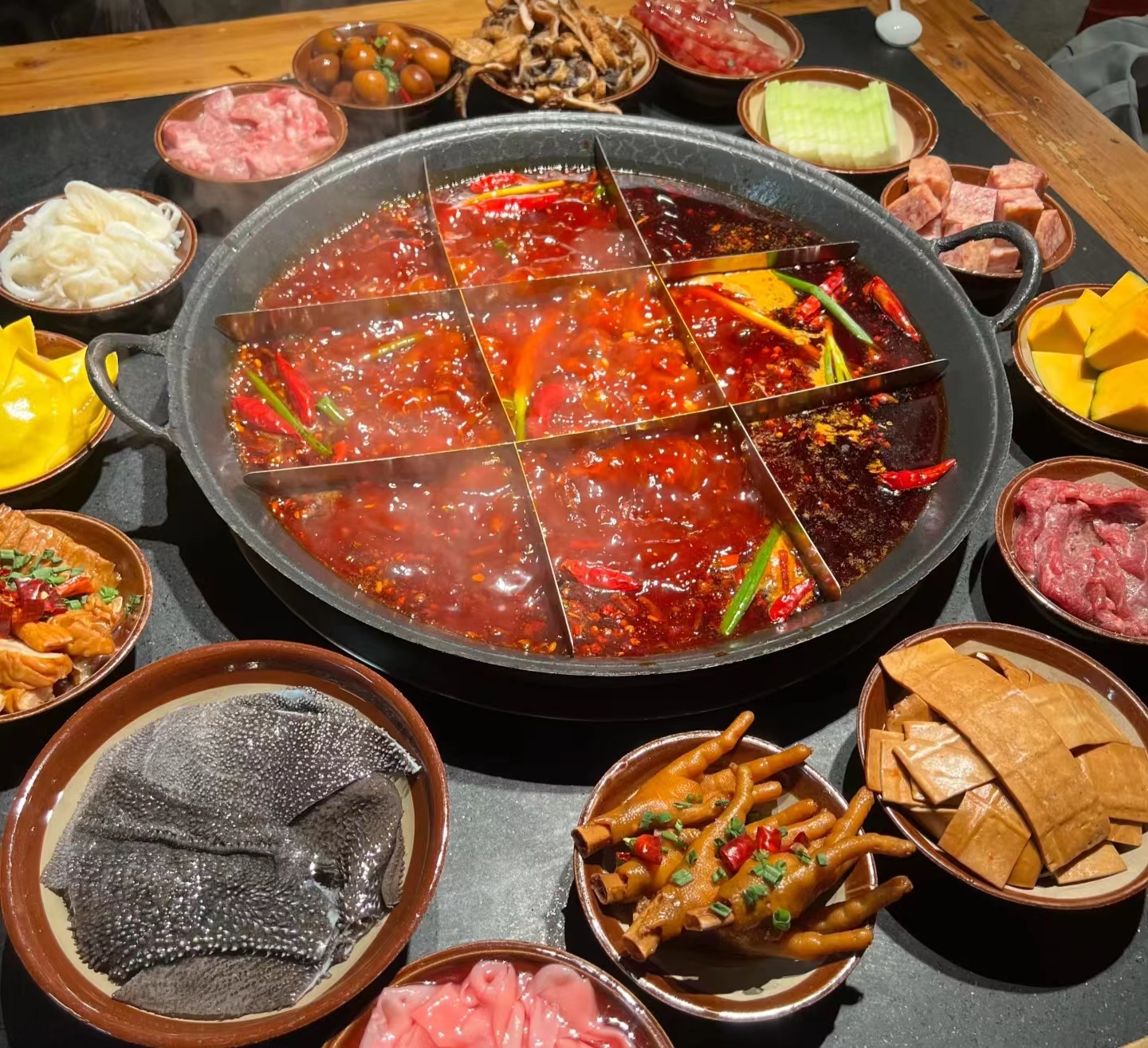
1. Chongqing Hotpot

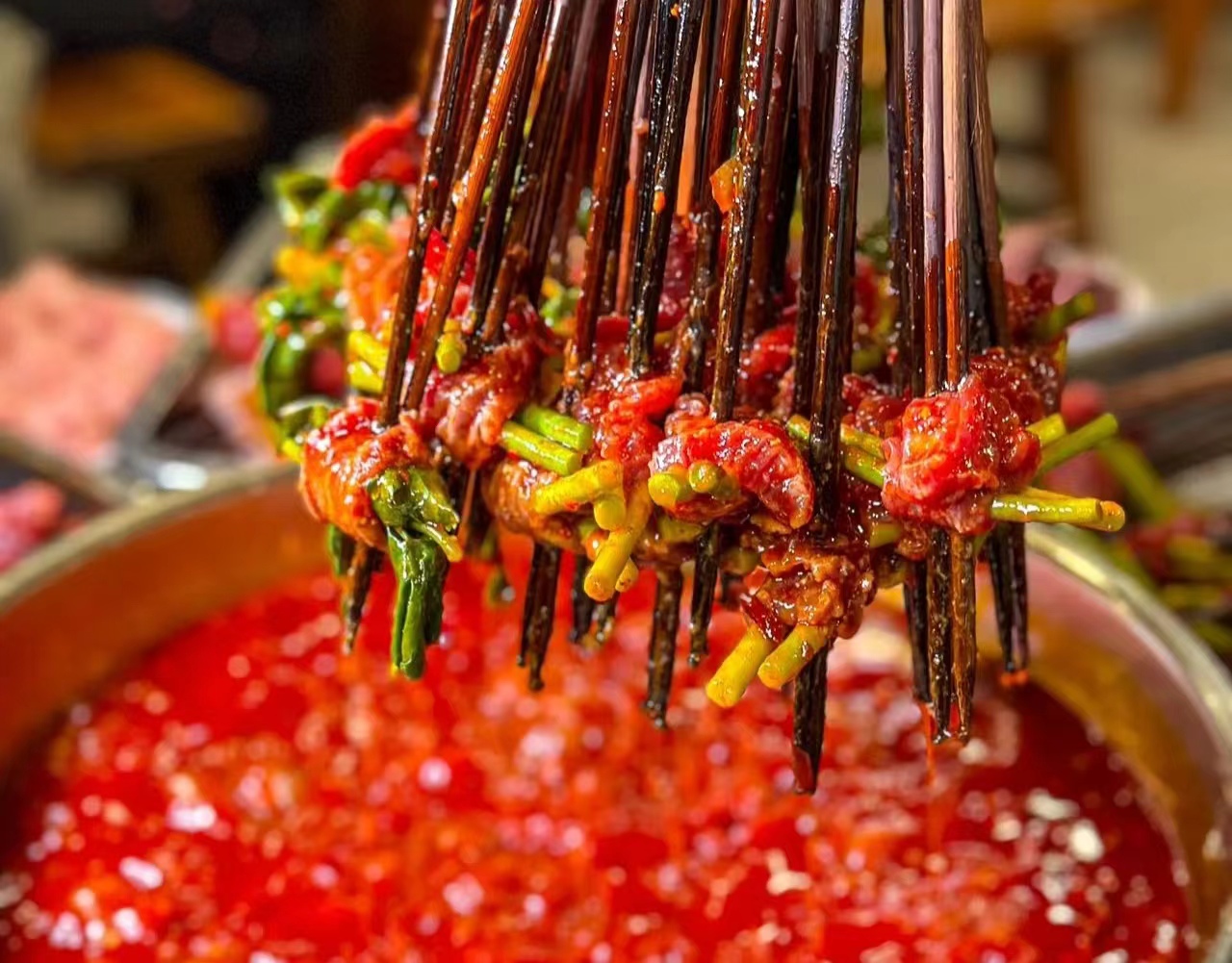
The city’s culinary pride! The bubbling red broth of chilies and Sichuan peppercorns creates a bold, numbing sensation.
Where to try: Liu Yishou Hotpot, Peijie Old Hotpot.
💡 Tip: Ask for “mild spicy” if you’re new to Sichuan flavors.

2. Spicy Chongqing Noodles

Simple, affordable, and soul-warming. Perfect for breakfast or a quick lunch.
Try: Zeng Ji Old Noodle House.

3. Skewer Hotpot (Chuanchuan Xiang)

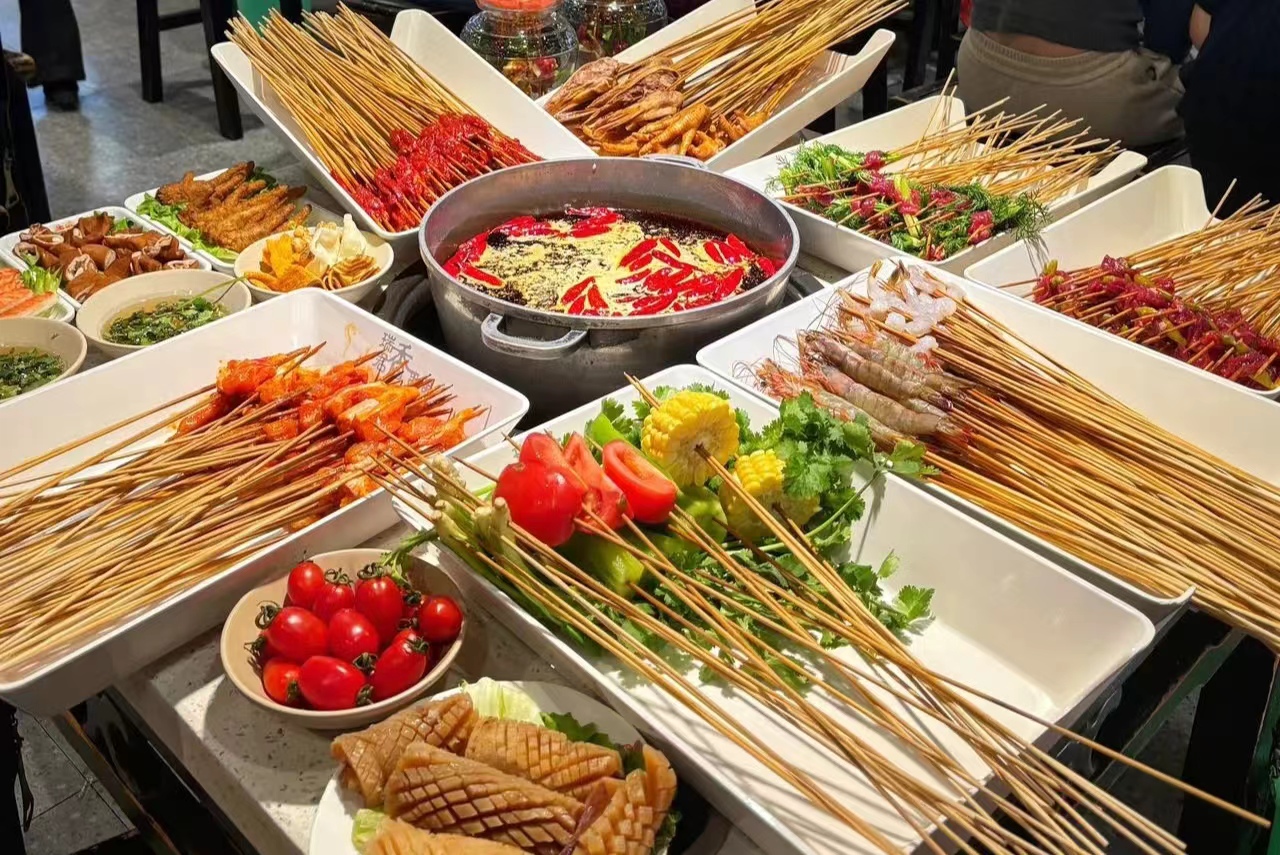
A portable version of hotpot—ingredients skewered on bamboo sticks, dipped, and eaten right away.

4. Hot and Sour Glass Noodles

Chewy noodles, sour-spicy broth, crunchy peanuts—addictive and perfect for spice lovers.

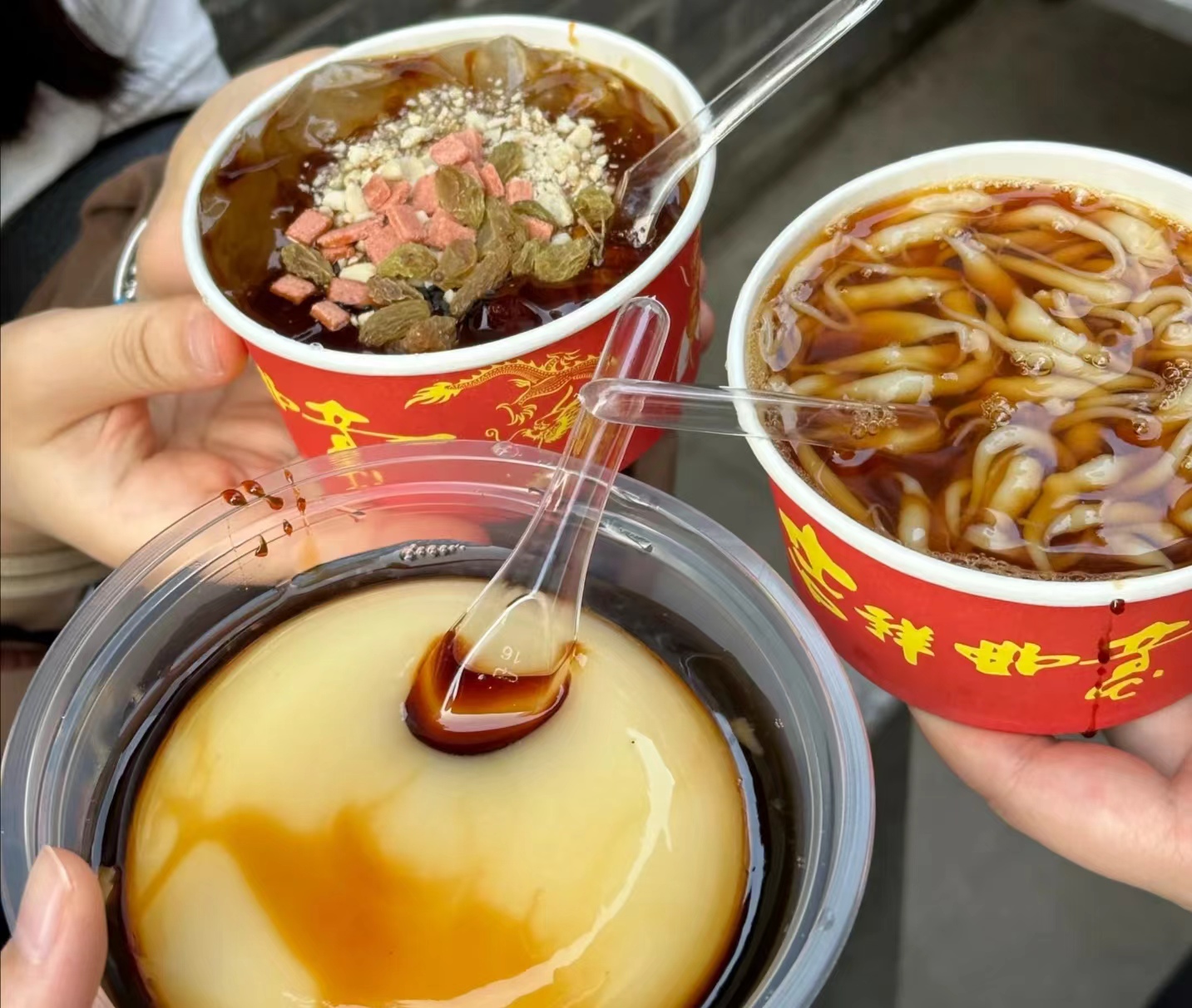
5. Cold Jelly & Tofu Pudding

Cooling street desserts that balance out the heat—especially refreshing in summer.


Travel Tips for Chongqing

  • Transportation: The subway is efficient, but be ready for lots of stairs—Chongqing’s topography is famously hilly.
  • Language: English signs are available at most tourist spots. Locals are friendly and helpful.
  • Dining Etiquette: For hotpot beginners, try the Yuanyang Pot (half spicy, half clear broth). Great for sharing and variety.

Suggested 3-Day Itinerary for Chongqing Tours

Day 1: Arrival → Hongya Cave Night Views → Jiefangbei Food Street
Day 2: Ciqikou Ancient Town → Yangtze River Cableway → Nanbin Road Nightscape
Day 3: Liziba Light Rail → Bayi Food Street → Two Rivers Night Cruise


Chongqing is a city that you’ll never get enough of—a place to see, taste, and remember.
Whether you’re a culture seeker, foodie, or nightscape lover, this mountain city offers the most vivid and dynamic side of China travel.
Once you visit, you’ll understand why locals say:

“You don’t just tour Chongqing—you experience it.”


Exploring Guizhou, China — 10 Must-Visit Attractions for Nature, Culture, and Adventure

Nestled in Southwest China, Guizhou is a hidden gem waiting to be discovered by travelers. Known for the world-famous Huangguoshu Waterfall and the enchanting Libo Xiaoqikong, Guizhou also boasts vibrant cultural experiences in places like Xijiang Qianhu Miao Village and the ancient town of Zhenyuan. Unlike bustling metropolitan cities, Guizhou offers crisp air, breathtaking natural landscapes, and rich cultural diversity—perfect for those seeking relaxation, adventure, or authentic local experiences. Whether you’re a nature lover, cultural explorer, or slow-travel enthusiast, Guizhou promises unforgettable moments. Here are 10 must-visit places in Guizhou!

 1. Qianling Park (Guiyang City)

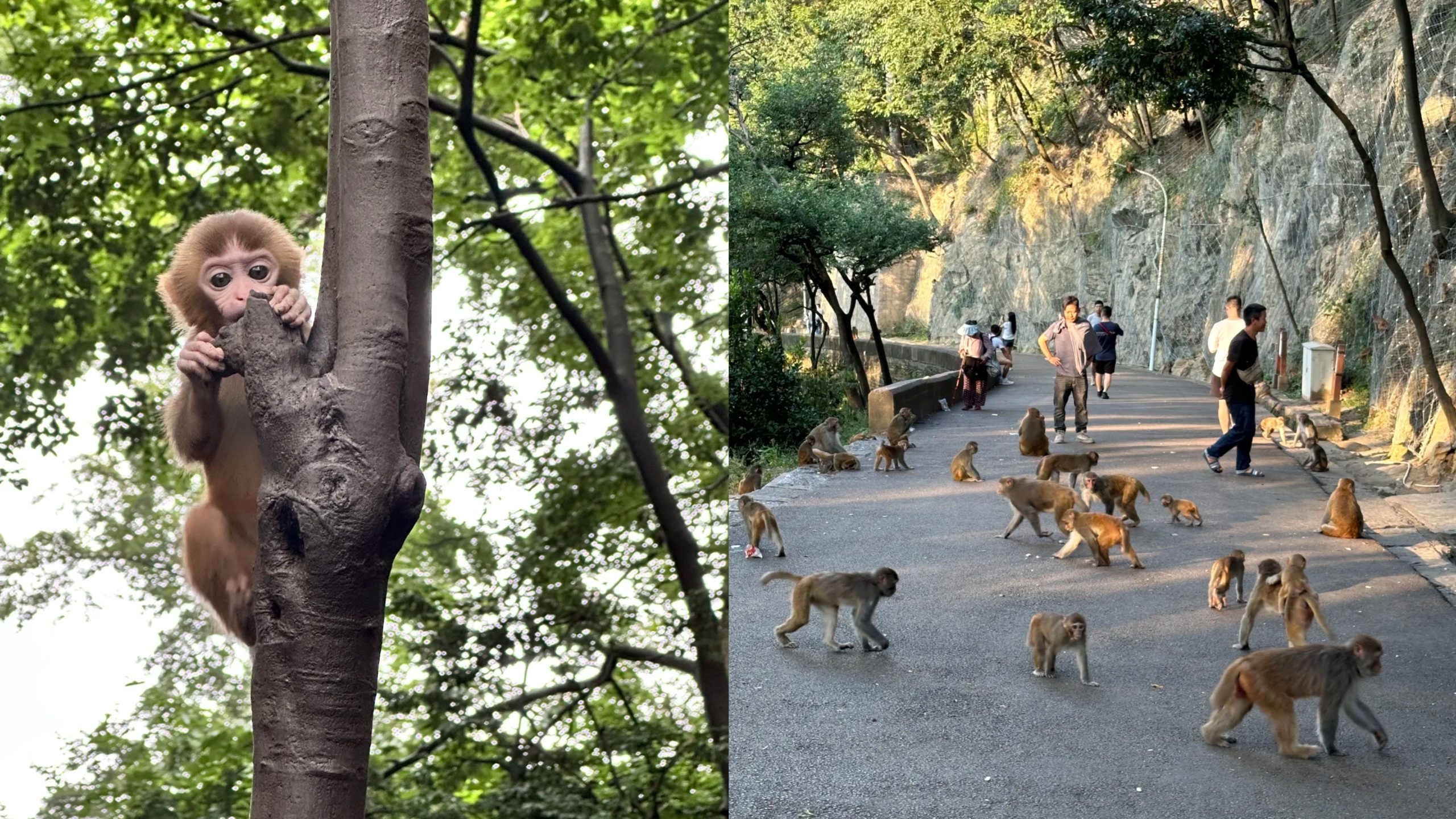
Located in the heart of Guiyang, Qianling Park blends natural beauty, cultural elements, and Buddhist heritage. Towering trees, serene lakes, and fresh mountain air make it a tranquil urban retreat. Playful monkeys roam freely, adding a touch of charm for visitors.

Highlights:

  •  Urban escape with peaceful natural scenery.
  •  The bustling Hongfu Temple offers deep Buddhist cultural vibes.
  •  Free-roaming monkeys provide fun photo opportunities.

Activities:

  •  Hike along scenic trails, visiting Hongfu Temple and Qianling Lake.
  •  Interact cautiously with the monkeys and capture playful moments.
  •  Enjoy a leisurely boat ride or photograph the lake reflections.
  •  Morning or evening walks offer a refreshing retreat with birdsong accompaniment.

 2. Huangguoshu Waterfall (Anshun City) — 5A Scenic Area

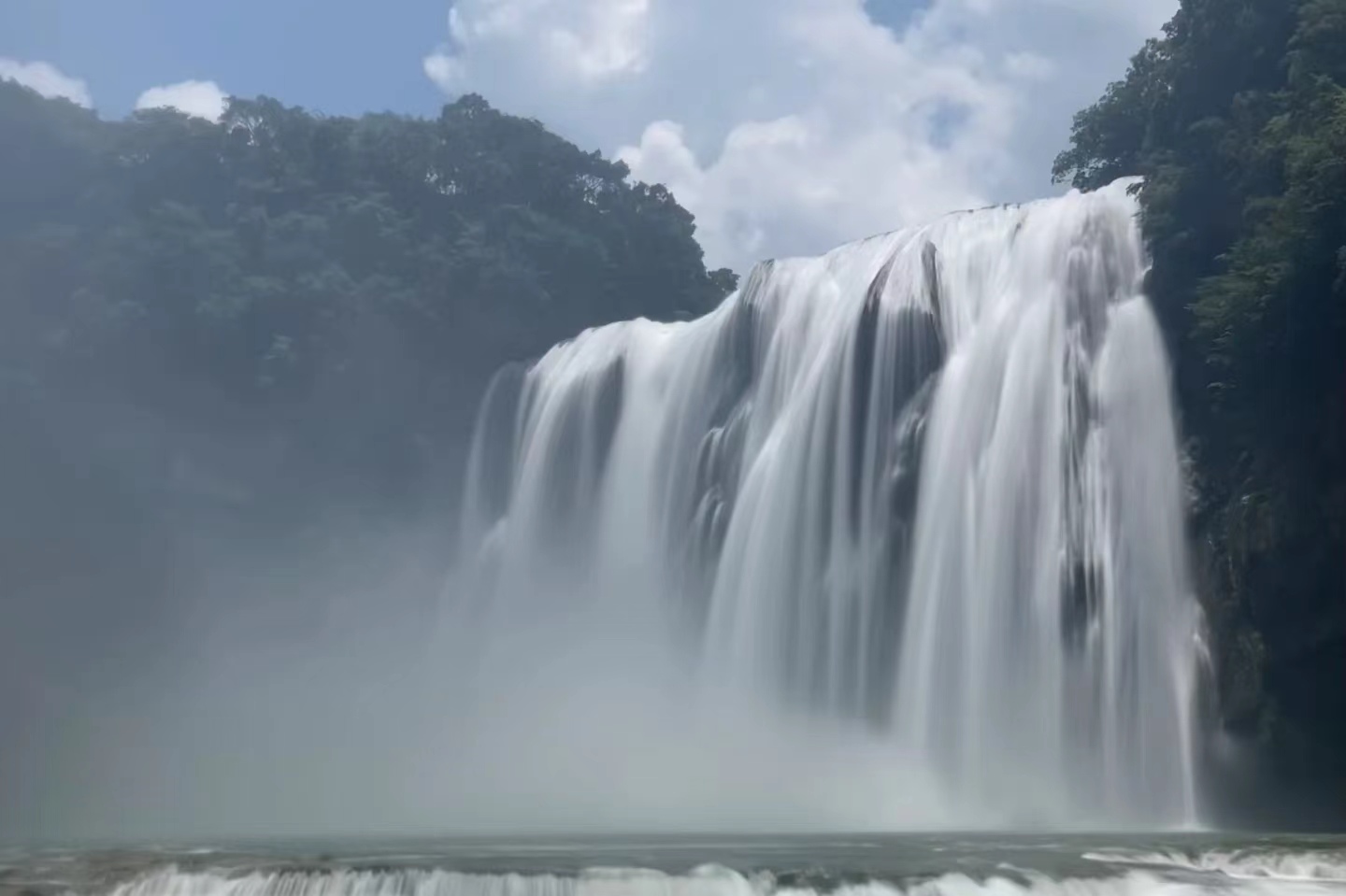
Huangguoshu is Asia’s largest waterfall cluster and one of Guizhou’s iconic attractions. The main waterfall stands 77.8 meters high and 101 meters wide, with mist often forming rainbows in sunlight—a spectacular sight. The surrounding area has over a dozen waterfalls, creating a symphony of cascading water.

Highlights:

  •  Asia’s largest waterfall cluster with thunderous majesty.
  •  Misty rainbows provide ideal photography opportunities.
  •  Featured in “Journey to the West,” offering a familiar yet magical setting.

Activities:

  •  Take eco-shuttles to visit the main waterfall, Tianxing Bridge, and Doupotang areas.
  •  Walk behind the waterfall at Water Curtain Cave for a close-up experience.
  •  Visit in summer for full water flow or autumn/winter for layered waterfall beauty.

 3. Maling River Canyon (Qianxinan Prefecture)

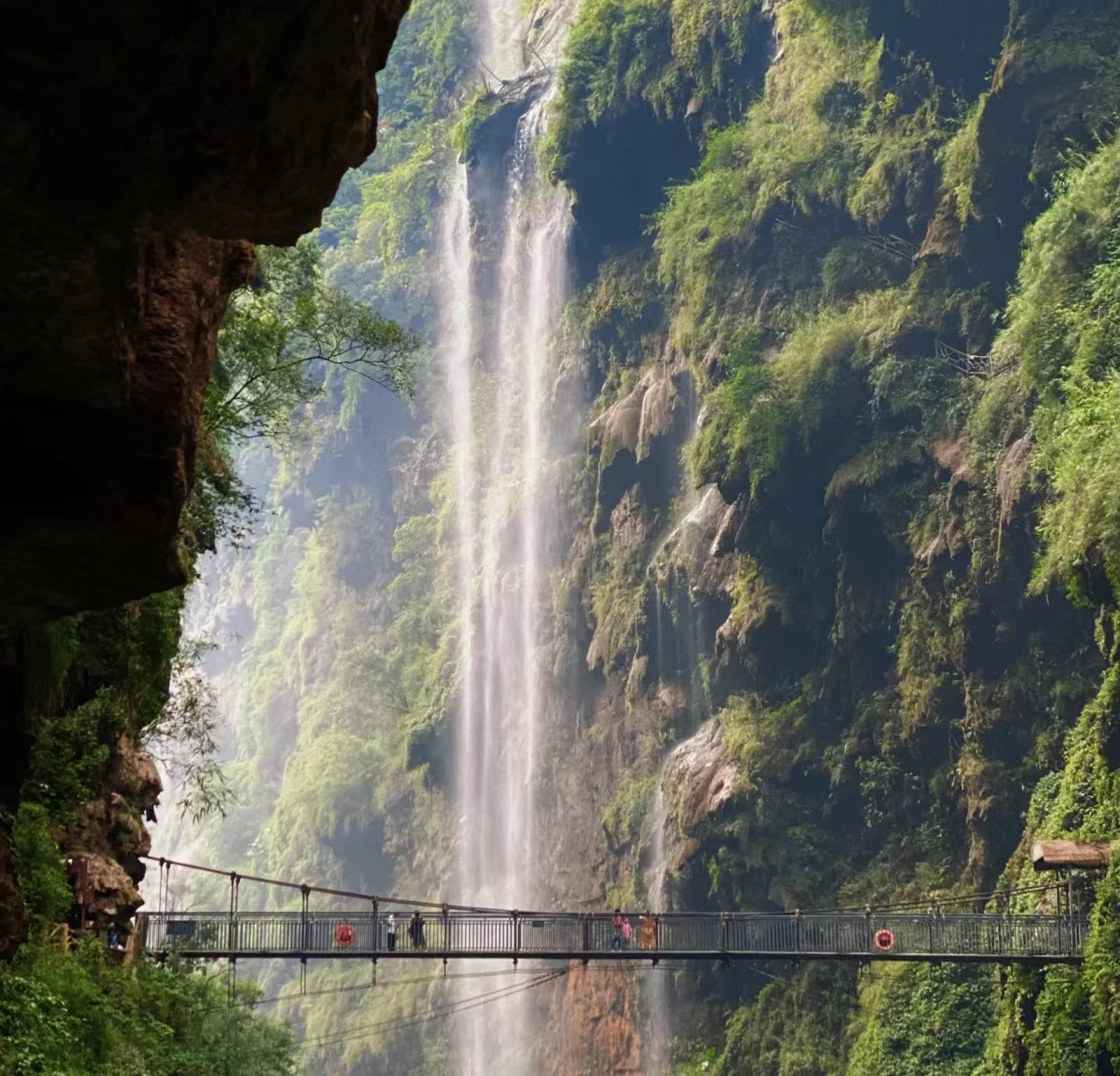
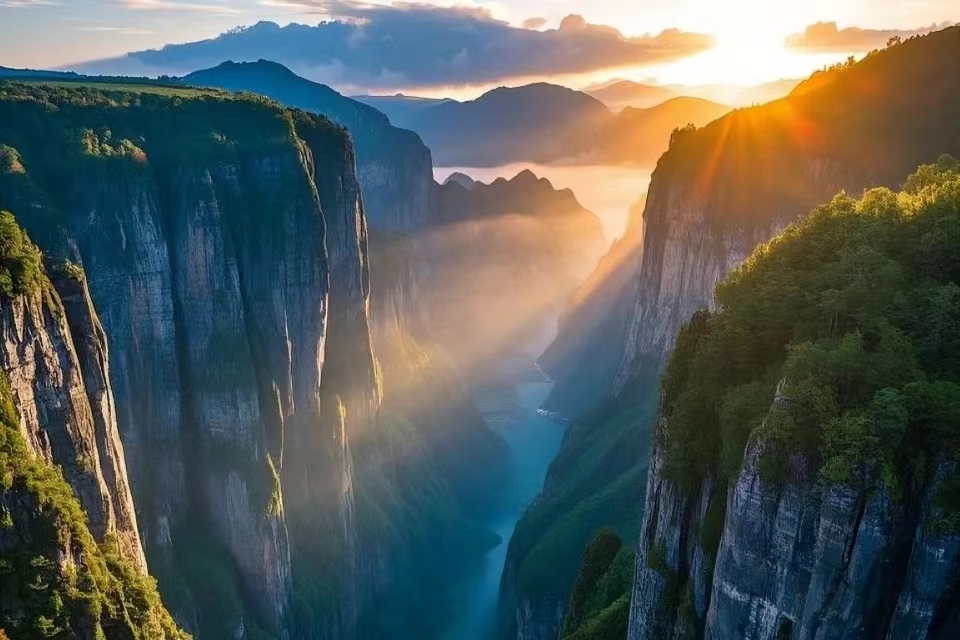
Known as “a scar on the Earth,” Maling River Canyon stretches roughly 75 kilometers. Steep cliffs, clustered waterfalls, and rushing waters create a dramatic landscape, ideal for outdoor adventures.

Highlights:

  •  Deep and majestic canyon with pristine natural scenery.
  •  Dense waterfall clusters are particularly impressive during the rainy season.
  •  Adventure enthusiasts can enjoy rafting and other thrilling activities.

Activities:

  •  Hike along canyon pathways for close encounters with waterfalls.
  •  Experience rafting or small boat rides through canyon waterways.
  •  Capture panoramic photos from viewing platforms, especially during high water levels.

 4. Libo Xiaoqikong (Qiannan Prefecture)

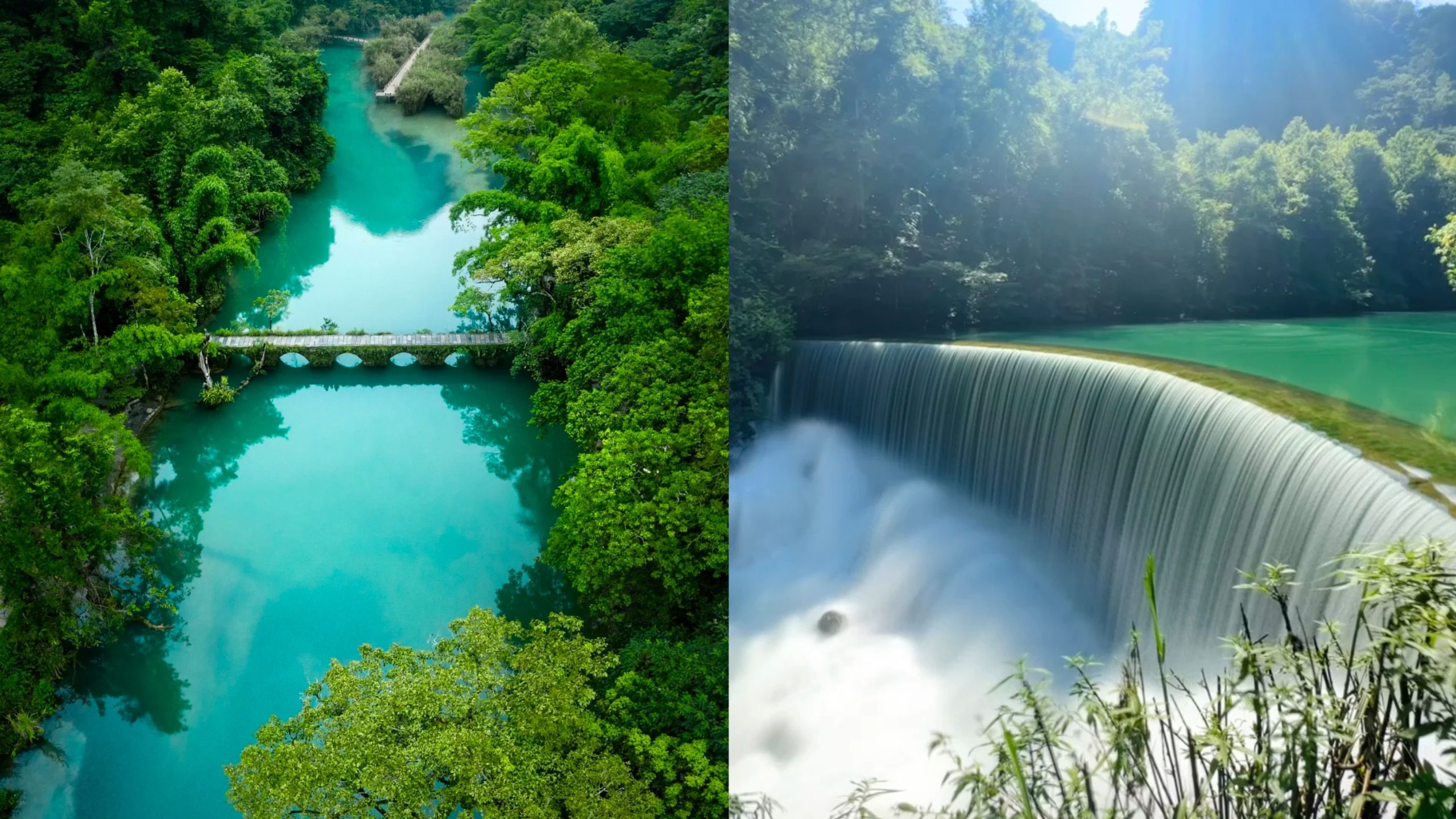
Xiaoqikong Scenic Area is famous for its crystal-clear lakes, quaint stone bridges, and layered waterfalls, often described as a “fairyland on Earth.” The seven-arch stone bridge, built during the Qing Dynasty, quietly spans the emerald waters. Highlights include the “68-step Waterfall,” rivaling Huangguoshu in grandeur.

Highlights:

  •  Known as the “Green Gem of the Earth’s Belt,” with breathtaking scenery.
  •  Lakes, valleys, and waterfalls interlace like a three-dimensional painting.
  •  A summer paradise with cool, fresh air.

Activities:

  •  Stroll across the Qing-era seven-arch stone bridge.
  •  Visit the 68-step Waterfall and immerse in the roaring water sounds.
  •  Take a boat ride on Wolong Pool, where emerald waters resemble gemstones.
  •  Explore forest trails for a refreshing summer hike.

 5. Zhenyuan Ancient Town (Qiandongnan Prefecture) — 5A Scenic Area

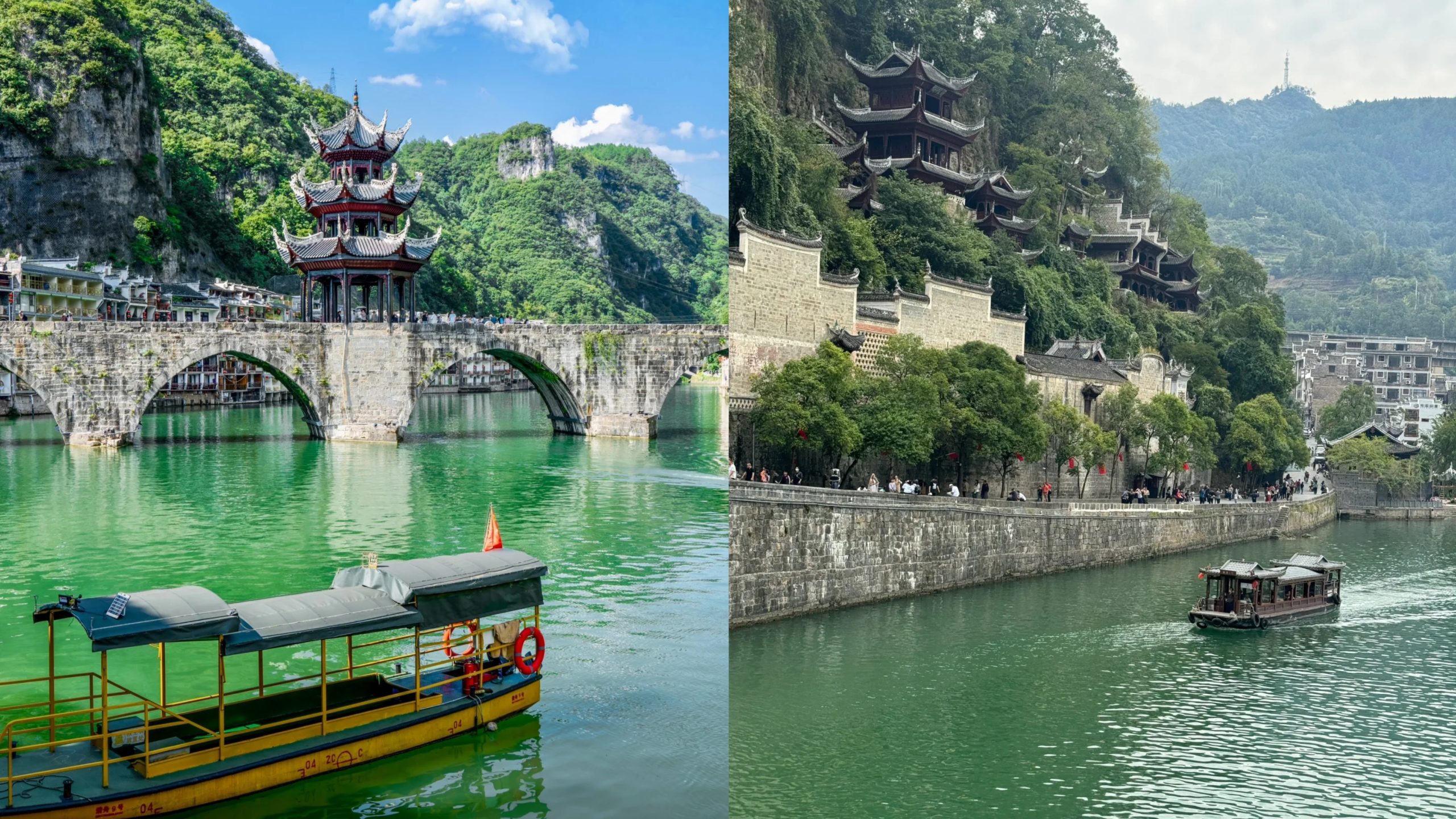
Located along the Wujiang River, Zhenyuan has a 2,000-year history. The ancient streets are well-preserved, and the river meanders through the town, creating picturesque scenes reminiscent of a traditional Chinese painting.

Highlights:

  •  A thousand-year-old town rich in cultural heritage.
  •  Scenic riverside views and architectural charm.
  •  Stunning nightscape with illuminated historic buildings, ideal for photography.

Activities:

  •  Wander along cobblestone streets, admiring Ming and Qing architecture.
  •  Climb Shihui Mountain for panoramic views of the town and river.
  •  Evening riverside strolls showcase a romantic atmosphere.
  •  Participate in local cultural events for an immersive experience.

 6. Fanjing Mountain (Tongren City) — 5A Scenic Area

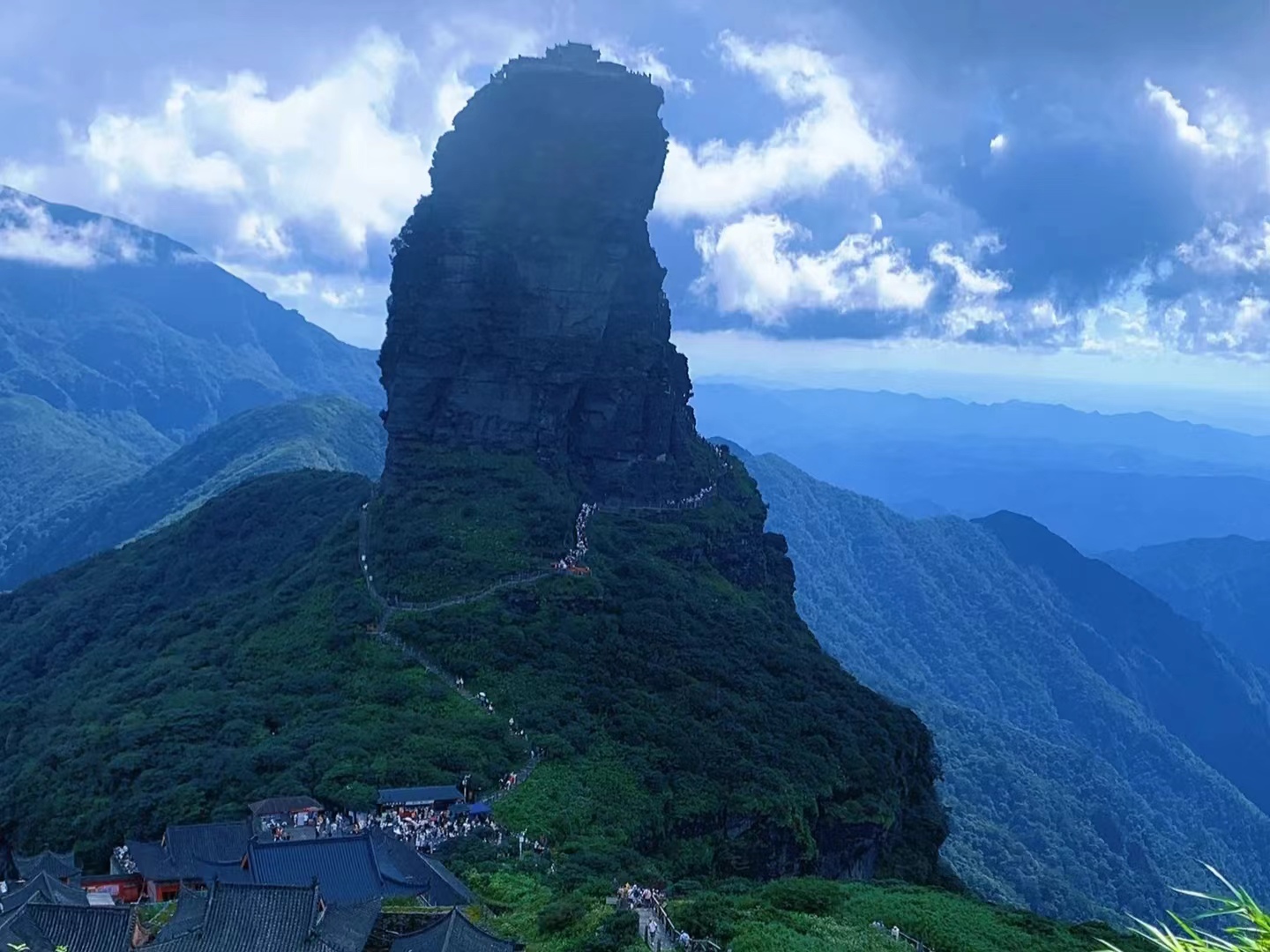
A UNESCO World Natural Heritage site and a sacred Buddhist mountain, Fanjing Mountain is renowned for its “Red Cloud Golden Summit” and mushroom-shaped rocks. Misty mornings and sunrise views offer breathtaking experiences.

Highlights:

  •  World Natural Heritage site with ethereal landscapes.
  •  Iconic Red Cloud Golden Summit and unique mushroom-shaped stones.
  •  A blend of natural beauty and spiritual significance.

Activities:

  •  Take the cable car and hike to the summit for a cloud-top adventure.
  •  Photograph the distinctive mushroom rocks and panoramic vistas.
  •  Watch the sunrise, and if lucky, witness the rare “Buddha’s light.”

 7. Chishui Danxia (Zunyi City) — 5A Scenic Area

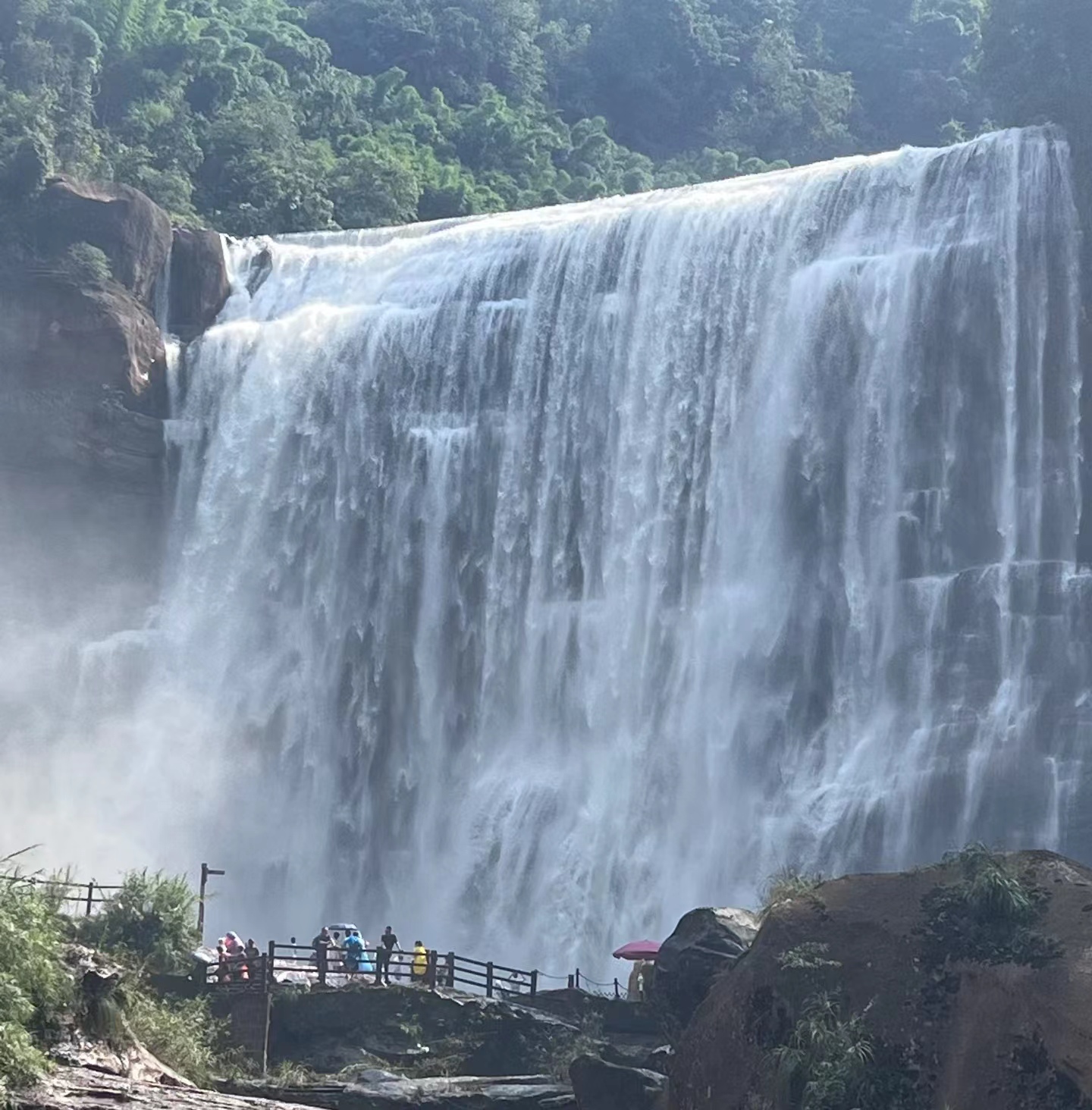
Famous for its red rock formations and Danxia landforms, Chishui Danxia offers vivid scenery where red cliffs meet lush greenery.

Highlights:

  •  One of the world’s largest Danxia formations.
  •  Red rocks, waterfalls, and forests create a layered landscape.
  •  Pristine environment, far from urban noise.

Activities:

  •  Hike along Danxia trails to explore unique rock formations.
  •  Visit waterfalls and Buddha Rock for striking photo opportunities.
  •  Enjoy sunrise or sunset at scenic overlooks.

 8. Maotai Town (Zunyi City)

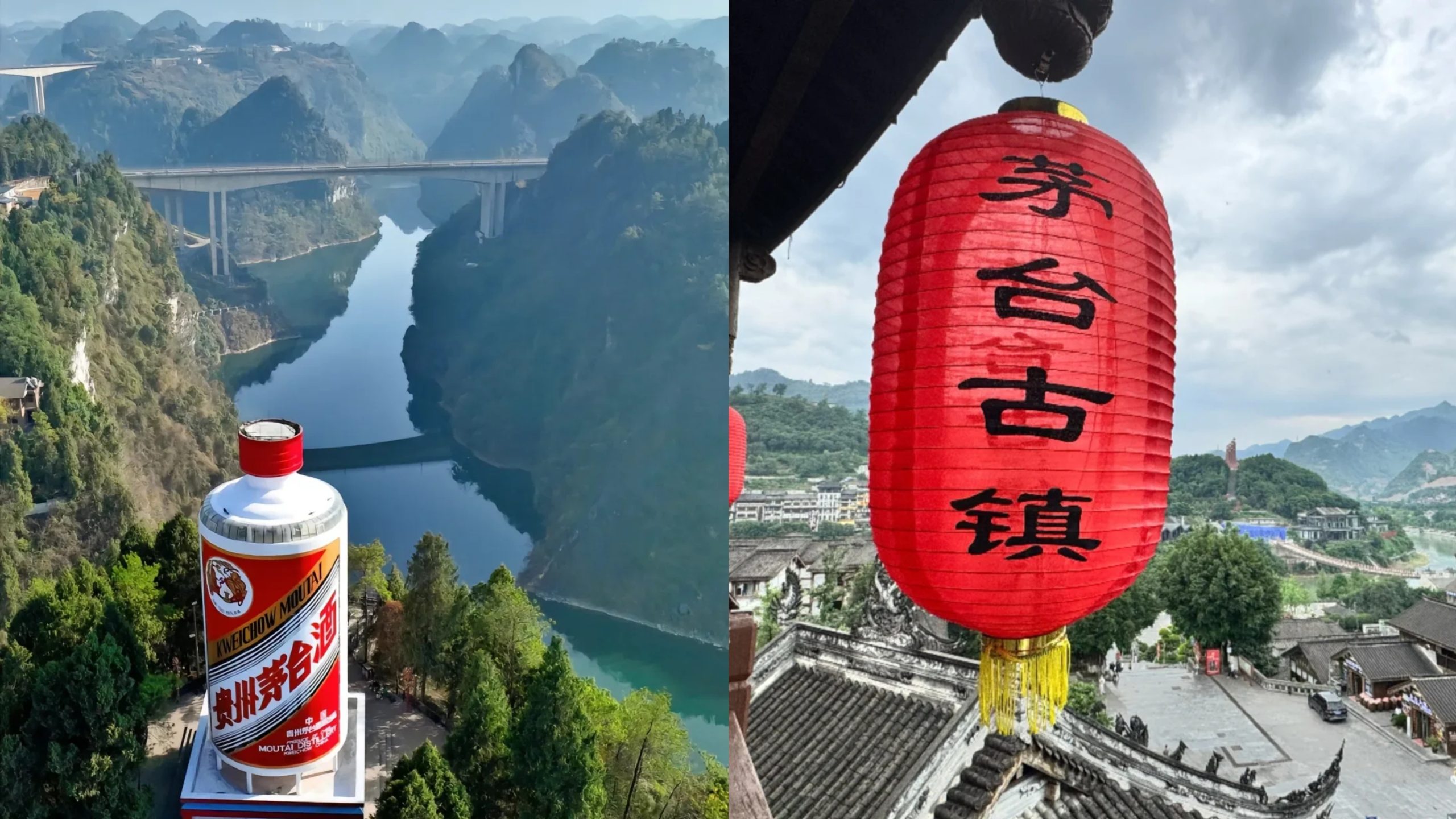
Situated along the Chishui River, Maotai is the birthplace of China’s national liquor. The town is infused with a subtle aroma of liquor, offering visitors a unique cultural experience.

Highlights:

  •  Origin of China’s world-famous Maotai liquor.
  •  Serene riverside town with a unique atmosphere.
  •  Best place to explore Guizhou’s traditional liquor culture.

Activities:

  •  Tour local distilleries or museums to learn centuries-old brewing techniques.
  •  Sample various Maotai liquors and compare flavors.
  •  Stroll through the town, picking up unique liquor souvenirs.

 9. Zhijin Cave (Bijie City) — 5A Scenic Area

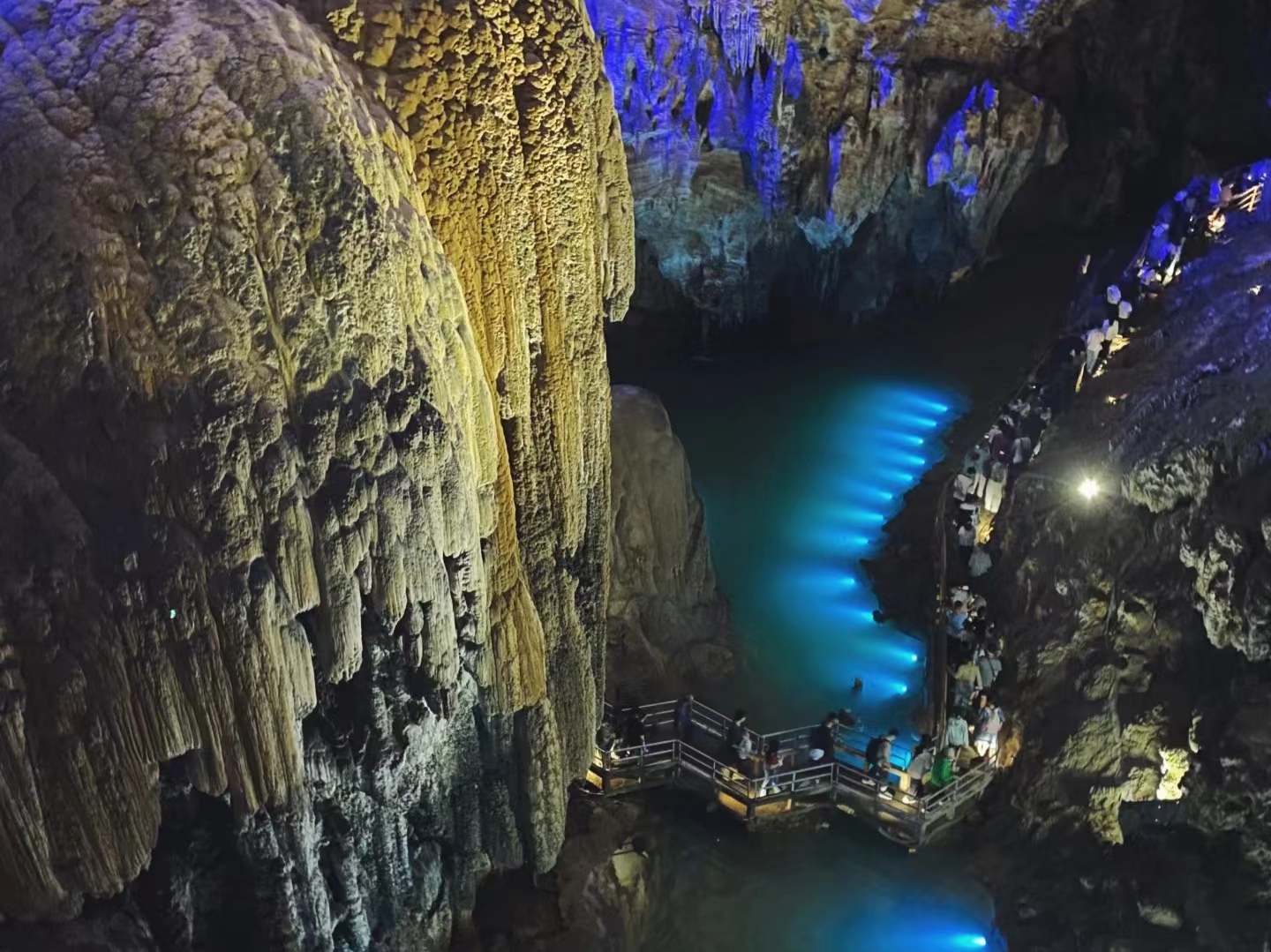
Called the “Karst Geology Museum,” Zhijin Cave is one of China’s most magnificent caves. Stalactites, columns, and formations create a magical underground world.

Highlights:

  •  Spacious and awe-inspiring cave interiors.
  •  Numerous chambers with unique stone formations.
  •  Educational and visually stunning, ideal for geology enthusiasts.

Activities:

  •  Walk through illuminated cave pathways to explore chambers.
  •  Photograph intricate stalactites and stalagmites.
  •  Learn about geology and cave formation from informative displays.

 10. Wumeng Grassland (Liupanshui City)

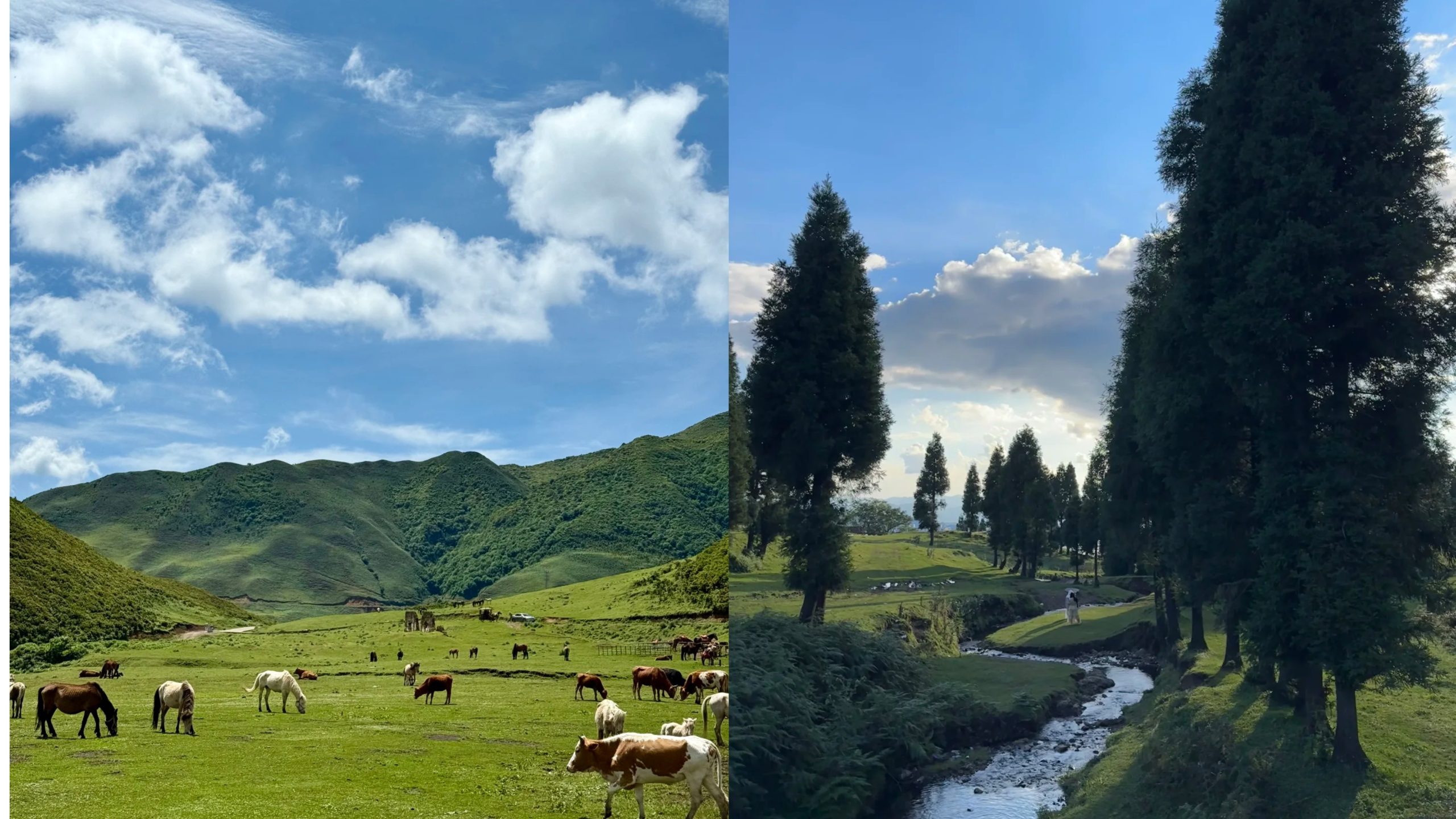
One of Guizhou’s rare high-altitude grasslands, Wumeng sits around 2,500 meters above sea level. It’s a cool summer retreat with expansive views and pristine natural landscapes.

Highlights:

  •  Unique highland grasslands rarely found in Guizhou.
  •  Cool summer weather with fresh mountain air.
  •  Stunning combination of clouds, stars, and wide-open plains.

Activities:

  •  Horseback riding, kite flying, or picnicking in summer.
  •  Winter snowscapes and snow activities.
  •  Hike for panoramic shots of the grassland and surrounding mountains.
  •  Camping or tent stays to enjoy tranquil nights under the stars.

Best Time to Visit the Yangtze River’s Three Gorges in 2025 – Breathtaking Views Await! (Save This Guide!)

Thinking of exploring the majestic Yangtze River’s Three Gorges in 2025? Let Jessica guide you to the best times to visit, along with a full itinerary covering food, lodging, and must-see sights—all on a mid-range budget. Let’s dive in!

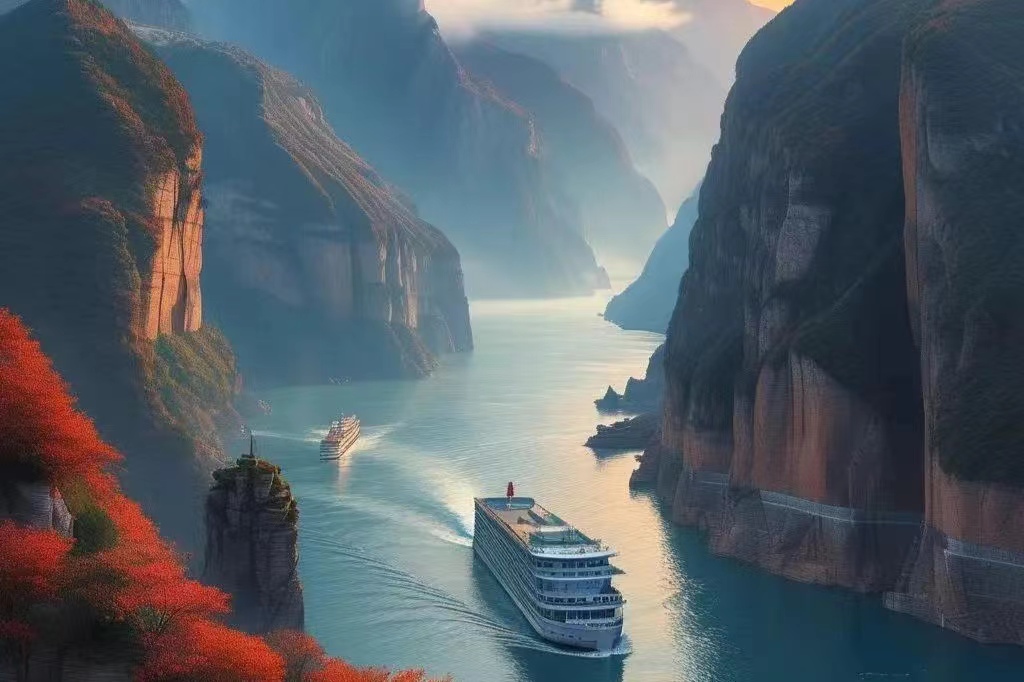
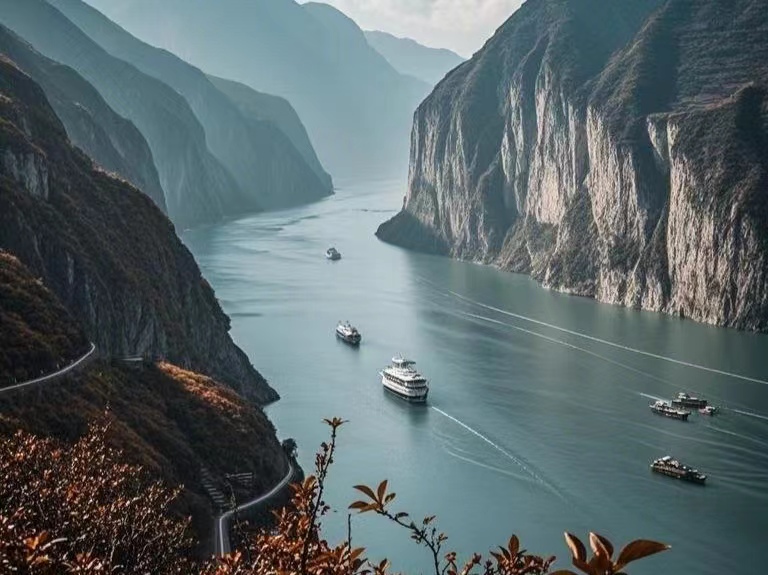
one of China’s top ten natural wonders, the Three Gorges stretch 193 km (about 120 miles) along the Yangtze River—from Baidi City in Fengjie, Chongqing to Nanjin Pass in Yichang, Hubei. The area includes three breathtakinong gorges: Qutang gorge, Wu gorge, and Xiling gorge. Famous for their towering cliffs, rich history, and surreal natural beauty, this region is a must-see for travelers. But when should we go?

  • The Best Season to Visit the Three Gorges

Spring (March to May):

Nature comes alive—flowers bloom, trees burst into green, and the river reflects the lush mountains like an ink painting. With comfortable temperatures and fewer crowds, it’s a perfect time for hiking, sightseeing, and immersing yourself in nature’s renewal.
Summer (June to August):

The river swells with power and beauty. Though hot, the refreshing river breeze makes cruise travel pleasant. If you visit when the Three Gorges Dam releases water, you’ll witness one of the region’s most dramatic spectacles. Be aware: summer is peak season, so plan ahead and book your accommodation and tickets early.

Autumn (September to November):

Many call this the most beautiful season to visit. The weather is crisp and clear, the mountains are blanketed in red and gold foliage, and the river reflects a rich tapestry of colors. Autumn offers mild weather and fantastic conditions for outdoor adventures.

Winter (December to February):

Winter in the Three Gorges has a quiet, mysterious charm. The water recedes, revealing deeper canyons and peaceful scenery. Though colder, it’s less crowded, allowing for a tranquil experience. It’s also a great time to tour the massive Three Gorges Dam or take a winter river cruise.

  • Budget-Friendly Travel: Mid-Range Spending for a Full Experience

Tickets & Transportation:

Admission Fees: Vary by site. The Three Gorges Dam is free, but reservations are required. Popular spots like Baidi City and the Mini Three Gorges (Xiao Sanxia) charge entrance fees.

Getting There: Fly, take a train, or drive to Chongqing or Yichang, the entry points for Three Gorges tours. River cruises typically include transportation, lodging, and some guided tours—great value for money.

Where to Stay:

Cruise Ships: A favorite among visitors. Cruises offer all-in-one experiences—accommodation, meals, and guided sightseeing. Prices depend on cabin type and trip duration.

Land-Based Hotels: If you prefer staying on land, both Chongqing and Yichang, as well as towns along the river, offer clean, affordable hotels and boutique stays with local charm.

What to Eat:

On Cruises: Meals are often included in the ticket price. Expect a variety of Chinese and Western dishes, buffet-style or à la carte.

On Land: You’ll find authentic, flavorful cuisine all along the river. Don’t miss local specialties at small restaurants and street food stalls—delicious and affordable.

  • Sightseeing Tips: Make the Most of Your Trip

Itinerary Planning:

Recommended Duration: 3 to 5 days lets you enjoy the highlights without rushing.

Must-See Attractions: Three Gorges Dam, Baidi City, the Mini Three Gorges (Xiao Sanxia), and, of course, the river cruise itself—watch towering cliffs and ancient towns pass by from the deck.

Travel Advice:

Dress Smart: Wear comfortable shoes—terrain can be steep and uneven. Bring sunscreen, a hat, and layers depending on the season.

Safety First: Follow local guidelines and avoid climbing steep cliffs or swimming in restricted areas.

Eco-Friendly Travel: The Three Gorges is an important ecological zone—please don’t litter, and respect wildlife and natural surroundings.

Save this Guide and Get ready for a Smooth 2025 Trip!

Want to explore the breathtaking beauty of China’s landscape next year? Bookmark Jessica’s page for the latest travel tips and hidden gems. Got questions or suggestions? Drop a comment below—Jessica loves hearing from fellow adventurers. See you on the river!

Ditan Park

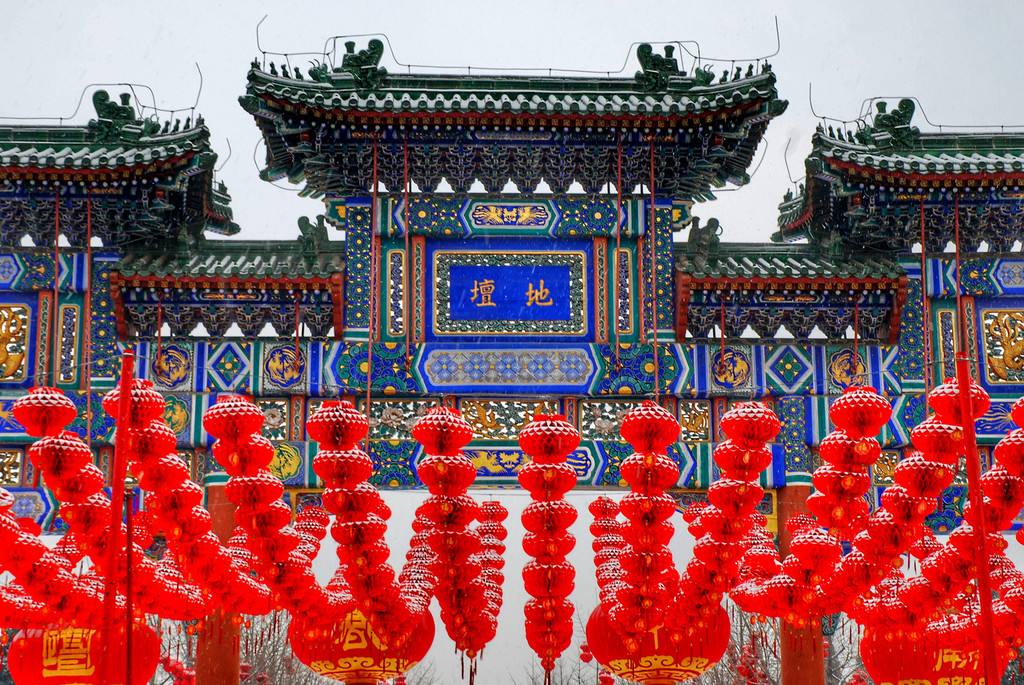
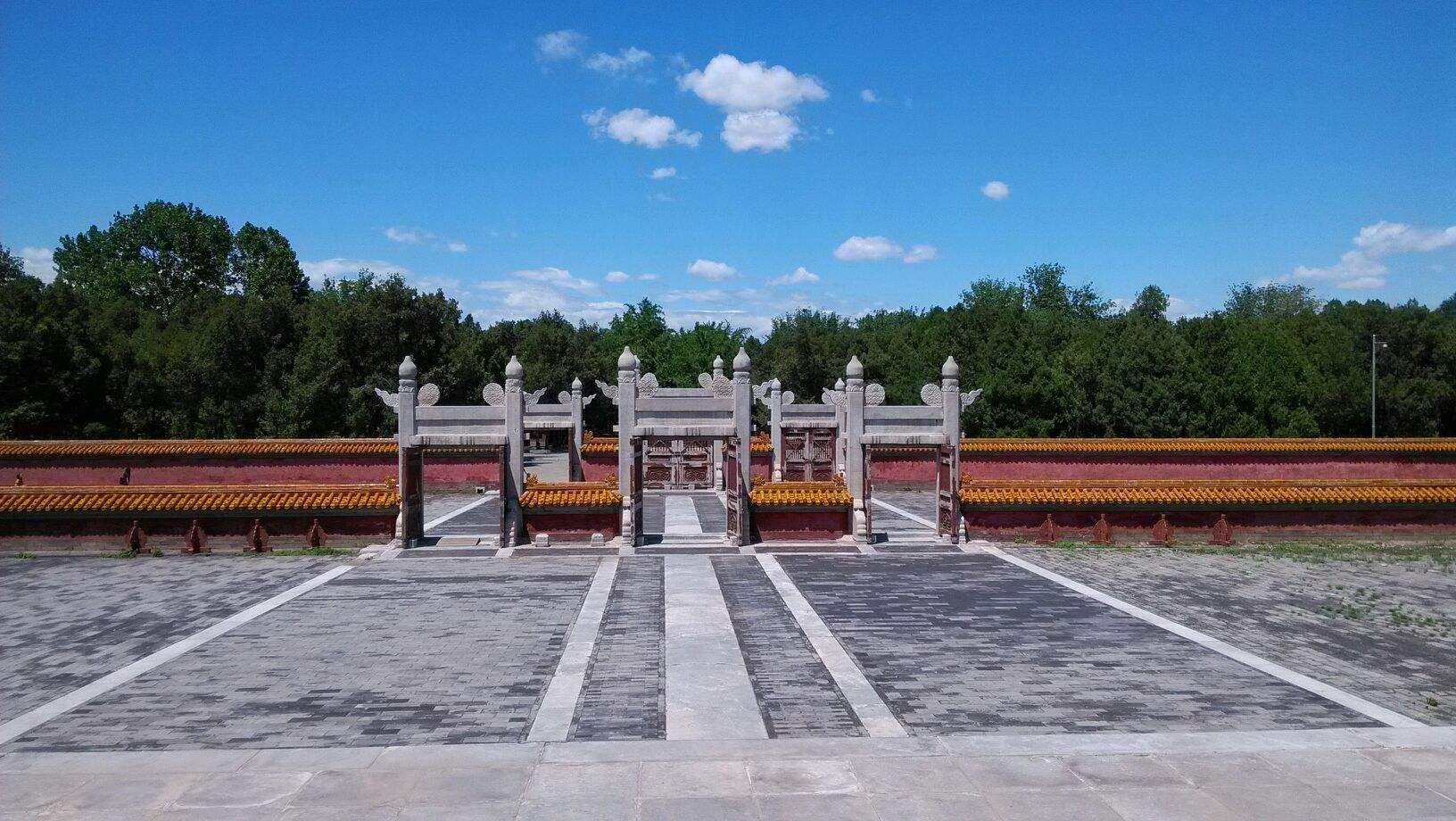
Ditan Park is a place where the emperor of the Ming and Qing dynasties sacrifices to the “Imperial Gods”. There are many ancient buildings of the Ming and Qing dynasties in the park, as well as sacrificial places and objects displayed. You can come here to understand the sacrificial process. In addition, Ditan Park has a beautiful environment. From October to November every year, the yellow ginkgo leaves in the park cover the sky, making it very suitable for taking pictures.

The Ditan Park in Beijing corresponds to the Temple of Heaven. The buildings in the Temple of Heaven are all round, and the buildings in the Ditan Park are all square. This is also a major feature of Ditan Park. Ditan Park is about 600 meters long and wide. There are entrances on all sides. Tourists can walk and stroll after entering it. Generally, it is appropriate to play there for two hours.

If you enter from the south gate, first come to the imperial house in Ditan Park, where the gods of the emperor are enshrined, as well as the gods of the Five Mountains, Five Towns, Four Seas, and Wuling Mountain. It is the main building in Ditan Park. In addition to the many cultural relics, here is also a cultural relics showroom, which displays many sacrificial supplies such as bells, chimes, drums, etc. You can learn about the sacrificial objects and processes here.

From late October to early November each year, the Ginkgo Avenue in the park is a hot spot for people in Beijing to photograph yellow leaves. Ginkgo Avenue in Ditan Park is the oldest ginkgo road in Beijing. Some of the ginkgo trees were planted when the altar was built in the Ming Dynasty. Every time the yellow leaves are golden, they are very beautiful. Ginkgo Avenue is located on the north side of the park, and you can see it after entering from the north gate.
During the Spring Festival, there will be a grand temple fair in Ditan Park. At that time, the park will be very lively, many stalls and food stalls selling traditional objects. In the Ditan Park, there will also be performances imitating the Qing Dynasty, showing the grand occasion of the emperor’s sacrifice ceremony. In addition, there are various regional and ethnic customs performances, band performances, cross talk performances, etc., all of which are very exciting and you can enjoy yourself here.

Dangyayongcuo Lake

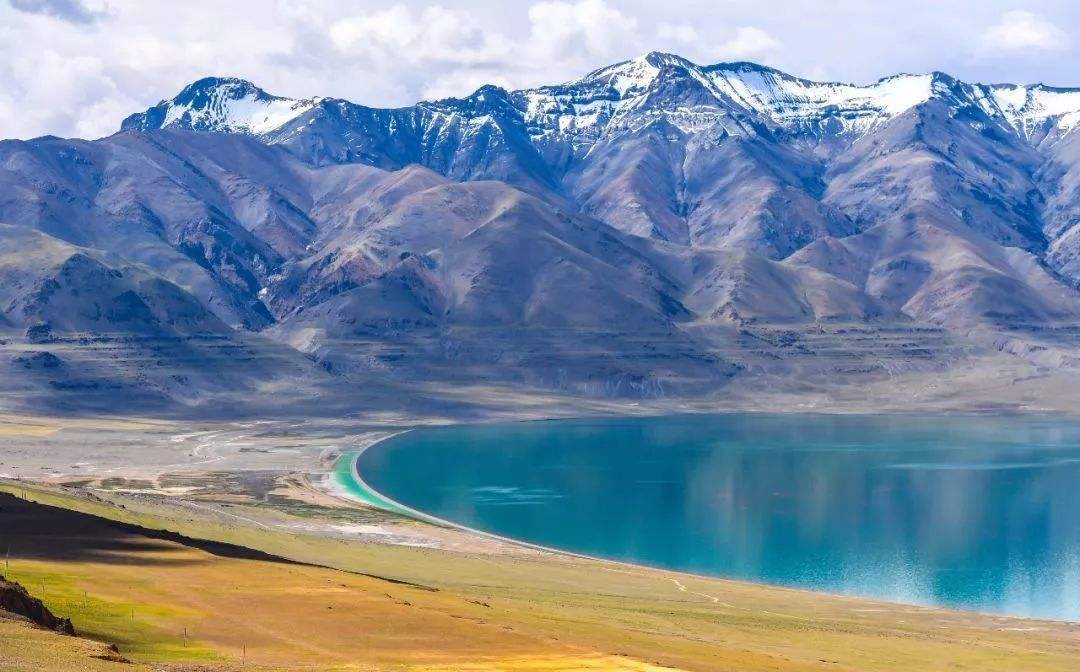
Dangyayongcuo is located in the second village of Wenbu in northern Tibet and is near the ruins of the Xiangxiong Kingdom. It is 4,530 meters above sea level. It is one of the famous holy lakes in Tibet and the most important holy lake of Bon religion. There are not so many people here, the lake is clear, and the beauty here is unbelievable. Dangruoyongcuo in Nima, Tibet has the beautiful plateau scenery, the blue sky and white clouds, the lakes with the sea and the sky, and the unparalleled scenery, which makes people feel refreshed and have the urge to go to Tibet.

Dangyayongcuo Lake is shaped like a vajra, the upper circle is thinner and the lower one is long. It is surrounded by mountains and the snow on the top of the Daguo Snow Mountain in the south does not melt all year round. Because of its easy-to-defend and difficult terrain and good climate, it was once the seat of the Xiangxiong dynasty’s palace. It is one of the most concentrated areas of Xiangxiong relics in northern Tibet. It is a key to interpret the mystery of Xiangxiong culture and an important place to study Bon religion culture. Nowadays, the Wenbu area where Dangya Yongcuo is located is still one of the few Tibetans residences in Tibet who still believe in the primitive Bon religion. Dangya Yongcuo and the Daguo Snow Mountain opposite it are also the important sacred mountain and the holy lake for Bon religion.

This is the deepest lake in China, with a depth of 230 meters, which is 110 meters deeper than Nam Co. Because the depth of the lake is very deep, the color of the lake is also very pure and blue. Those who like Tibet must already know where this is. And this is Dangyayongcuo which is located in the south of Nima County.

The best place to view the scenery of Dangyayongcuo is in Wenbu Village. This small village was once known by some outdoor enthusiasts. With the arrival of paved roads, the number of tourists have gradually increased. Due to the high terrain of the village, almost every household can see Dangya Yongcuo. It would be great to stay here for a day and let yourself blend into the beautiful scenery!

Tianjin Italian Style Street

Tianjin Italian Style Street is located in the center of Tianjin, where there are more than 200 elegant Mediterranean-style buildings. Walking in it is like walking in a romantic European town. The former residences of many celebrities and film and television sceneries also add more charm to the tourists’ journey.

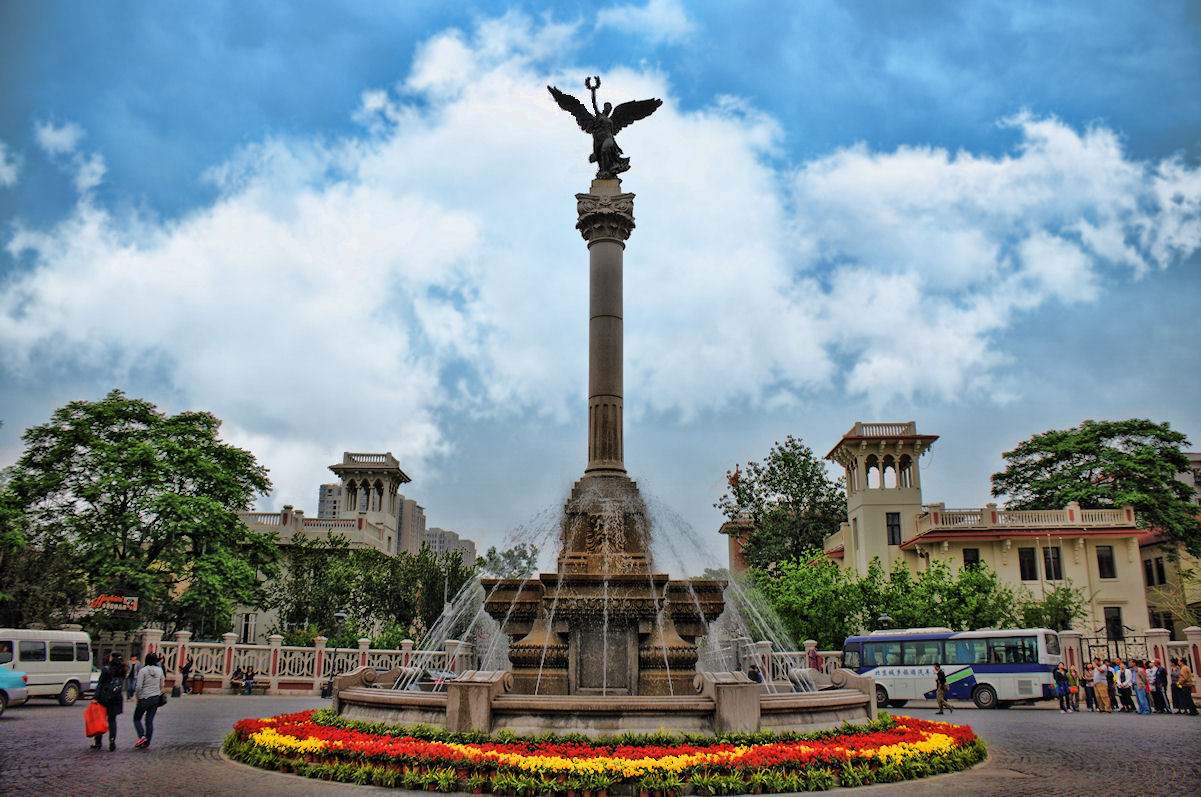
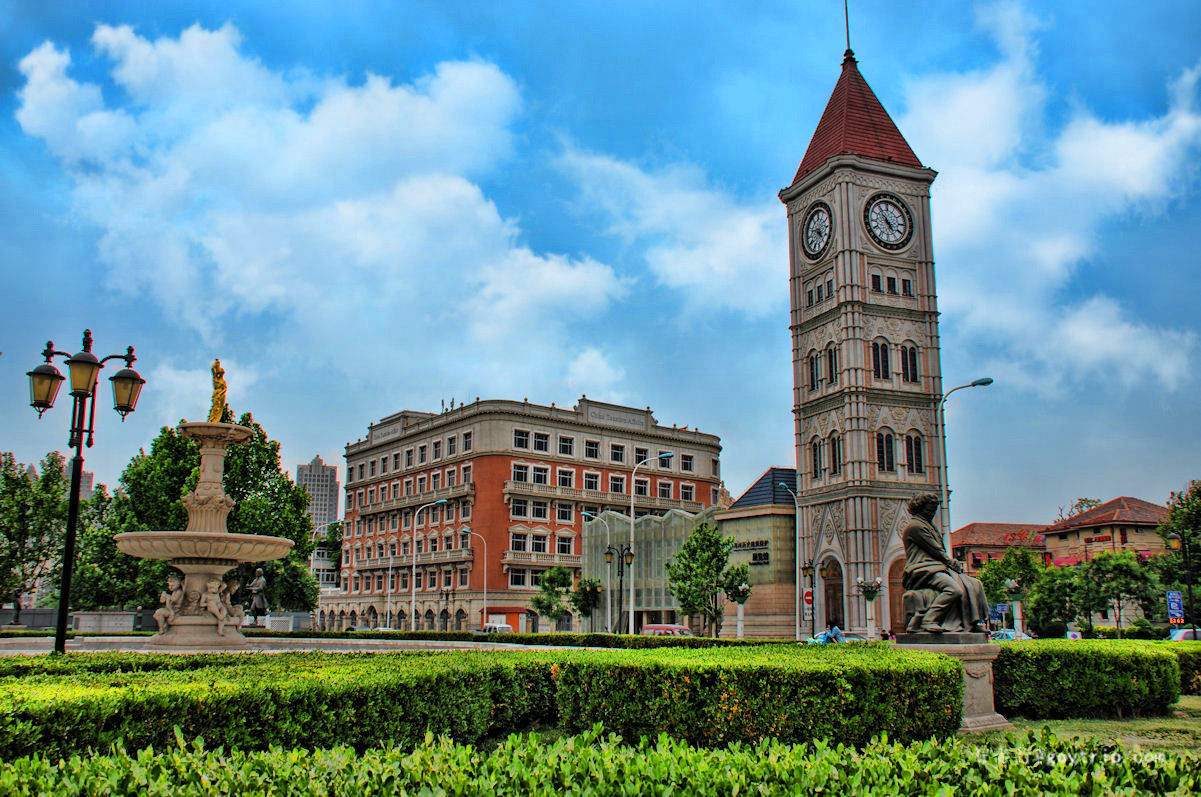
Tianjin Italian Style Street is right next to the Haihe River. When you walk along the Haihe River, you will first see the tall bell tower with a spire, and then you can see the exquisite hollowed-out copper carriage, which symbolizes the Tianjin Italian Style Street is there. Stroll along the street at will, see the red-roofed Italian buildings, European-style sculptures, and pace to Marco Polo Square. Marco Polo Square is one of the landmarks of the scenic area. On the central Collins-style stone pillar, there stands the Goddess of Peace who is holding an olive branch. Going west, you will reach the “Flying Lion Wishing Pool” in Piazza Venezia. It is far from the real Roman Wishing Pool in the “Roman Holiday” movie. It can blend with the atmosphere that is created by the entire Tianjin Italian Style Street, and you will feel it like a movie. There are indeed many film and television dramas that come here for filming. Visitors can find familiar scenes in the dramas. At the same time, it also attracts many lovers who take wedding photos.

In Tianjin Italian Style Street, Chinese and Western cultures and customs are perfectly blended. There are clothing street, leather goods street, hotel street, craft street, etc., and the characteristic restaurants here are attracting many people who love food.

Tianjin Italian Style Street is the best testimony to the history of Tianjin Concession. Walking here will feel like being on the streets of Italy thousands of miles away. At night, the Italian architecture lights up, the candlelights and lights flicker in the western restaurants and coffee shops, the bars become lively, and the scenery and atmosphere of Tianjin Italian Style Street are more charming. This is definitely a must-see attraction in Tianjin.

Yushui Village

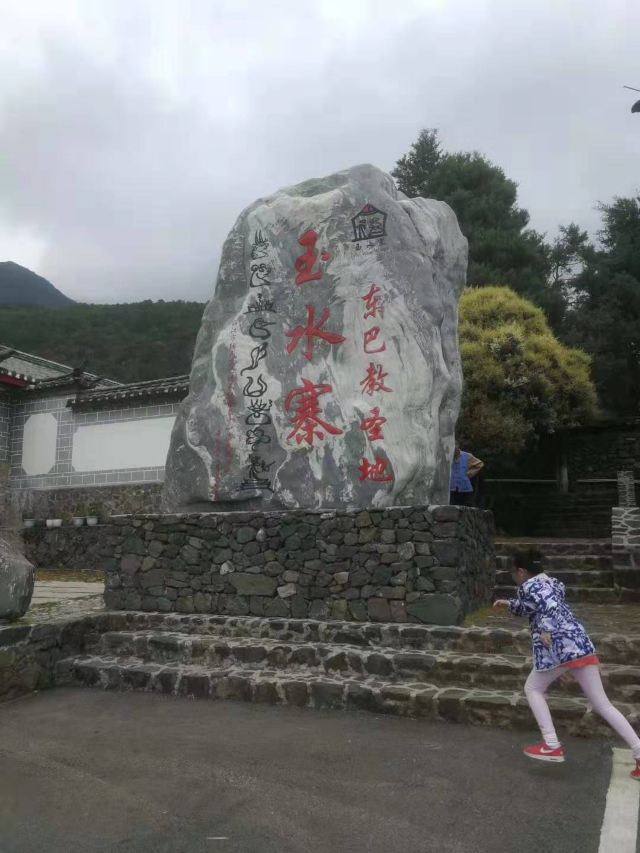
Yushui Village is located about 15 kilometers north of Lijiang City, at the foot of Yulong Snow Mountain in Baisha Town. The scenery of the village is natural and simple, especially the ethereal and clear water scenery is amazing. It is also the sacred place of Dongba religion for the Naxi people, and you can learn about the unique and splendid Naxi culture about sacrificial offerings and paper making.

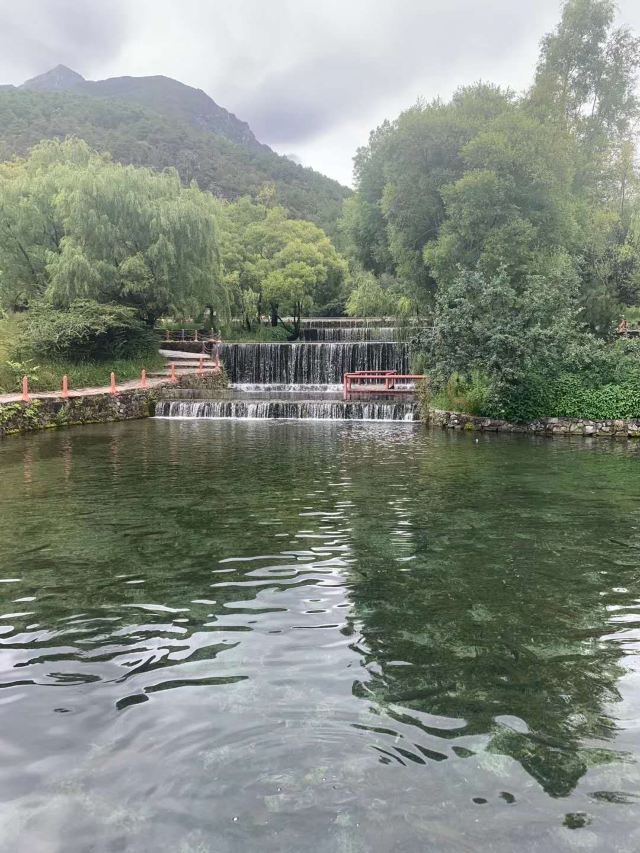
When you enter the gate of Yushui Village, the first thing that shocks you is the waterscape of triassic water. In the scenic area, there is a clear spring outflowing under two old trees and turning into nearly ten large and small splashing waterfalls. Legend has it that the spring eye of the spring is a place where the gods of nature haunt. The gods layered the water into several folds, thus creating this scattered group of triassic water falls. The stream flows into the Yushui Lake, where golden trout and rainbow trout are bred, and visitors can gather around the pond to enjoy the harmonious scene of fish and water.

In addition to the waterscape, this is also the birthplace of the Naxi Dongba religion. There is a Dongba cultural relics exhibition hall, displaying ancient Dongba scriptures, puppets, and ritual instruments. In the very center of the Heheyuan, it is the main hall of Dongbaism’s highest temple “Yushuiyuan”, which enshrines many deities such as Dongba Shiluo, the ancestor of Dongbaism and Sanduo, the guardian god of the Naxi people.

In addition, you can also visit the Dongba Paper Mill, Dongba Wine Brewery, looms, etc. in the Folklore to learn about the ancient Dongba people’s papermaking, wine making, and weaving skills, and enjoy the Naxi native folk music “Bai Sha Xi Le” Performance. In accordance with the traditions of the Naxi nationality, the scenic spot will regularly hold activities such as offering sacrifices to the sky, offering wind, and offering sacrifices to the gods of nature. On March 5th of the lunar calendar, a grand Dongba ceremony will be held in Heheyuan. If you happen to encounter Dongba offerings to heaven and gods, you can have a deeper understanding of the charm of Dongbaism.

Cuona Lake

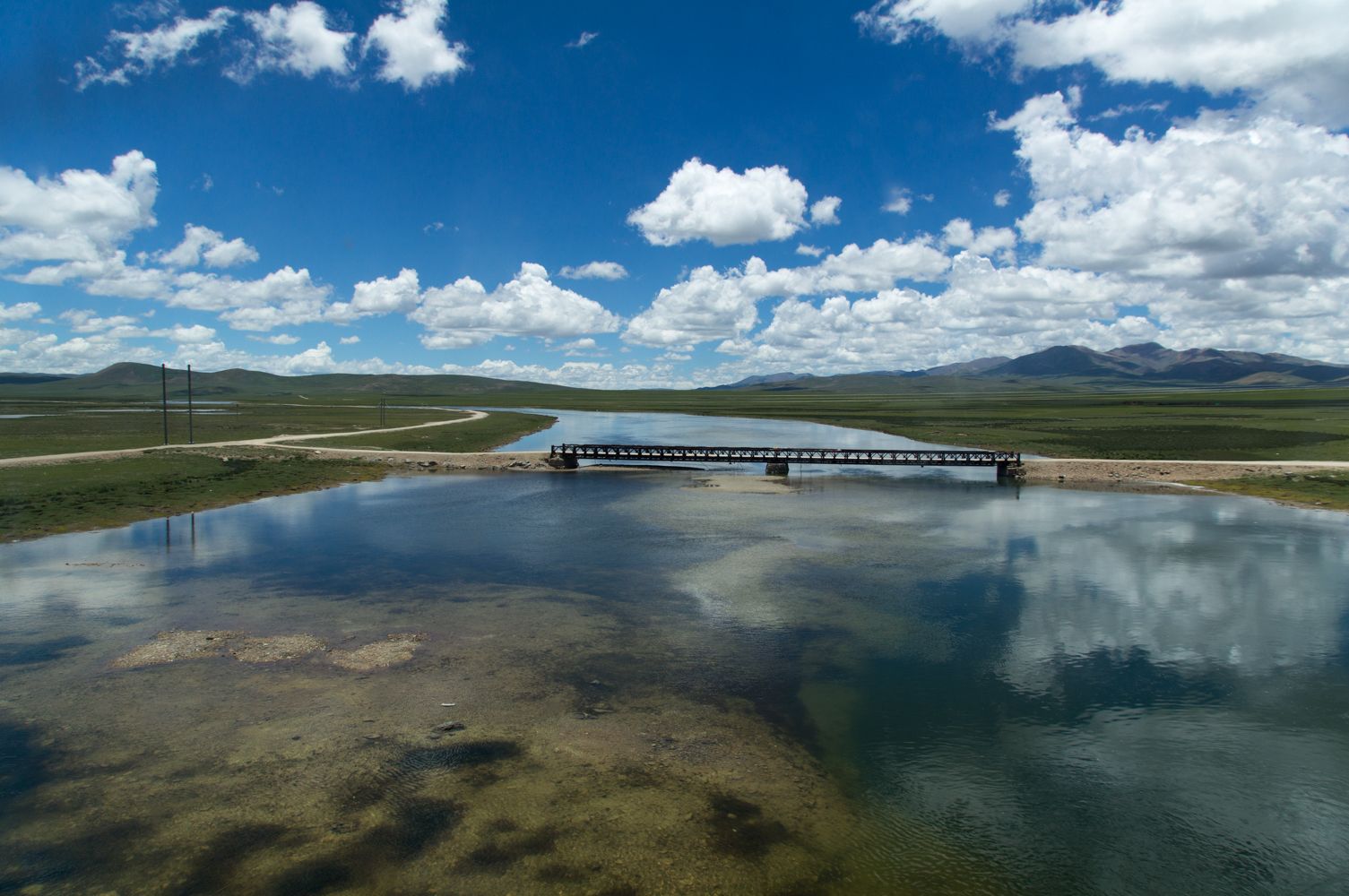
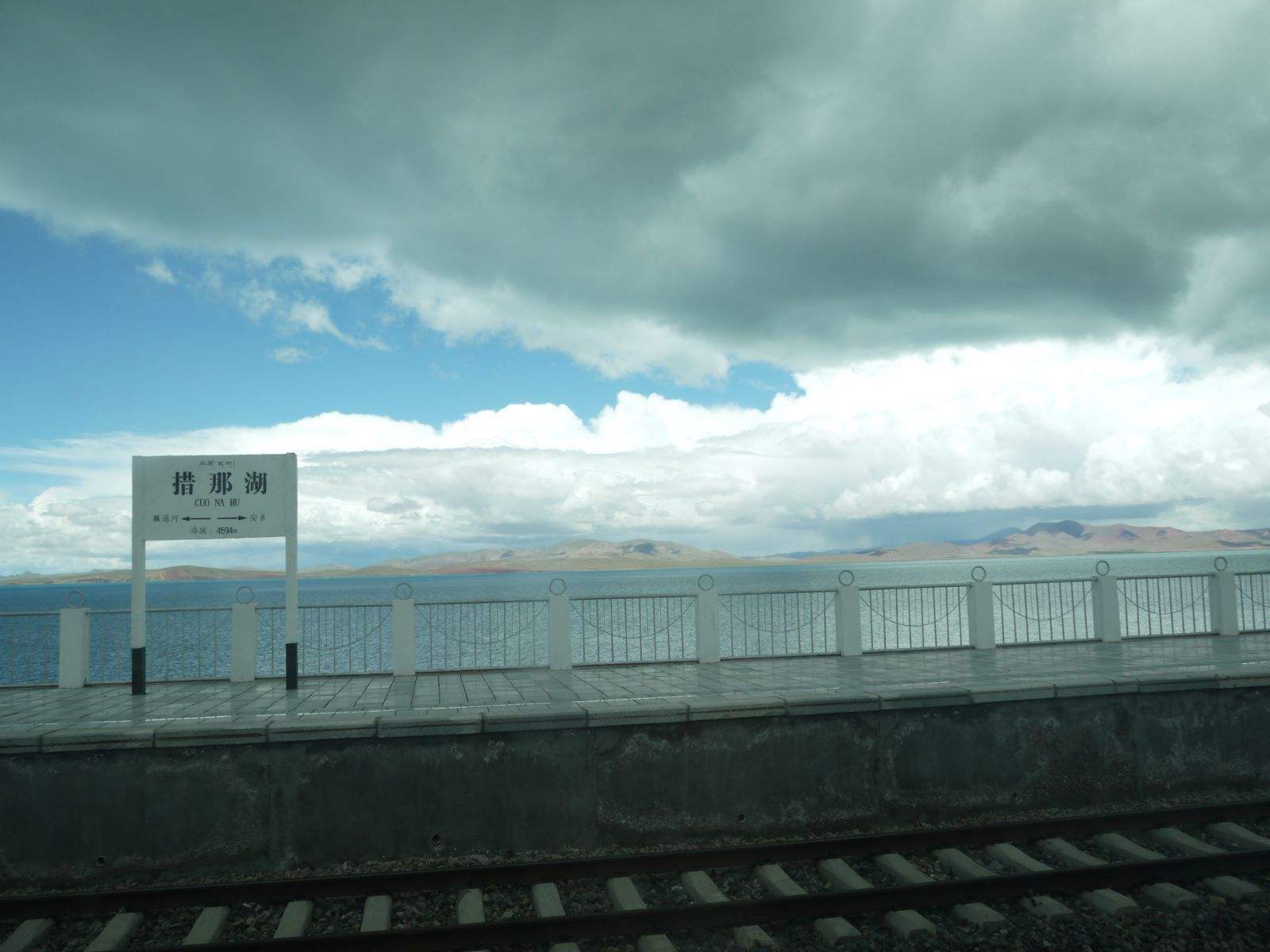
Cuona Lake is the source of the Nu River. The rivers in the south of Cuona Lake in the Tanggula Mountains all merge into Cuona Lake and flow into the Nu River. Cuona Lake is 4800 meters above sea level and covers an area of about 300 square kilometers. It is a freshwater lake. Cuona Lake is a jewel on the Qinghai-Tibet Railway. Like Nam Co, this is a lake where believers often come to worship. Legend has it that it was once a bathing place for the Queen Mother of the West. In the eyes of the local Tibetan people, Cuona Lake is a “sacred lake”. In the Tibetan Year of the Dragon, thousands of believers will flock to Cuona Lake to worship. It is located in the heart of the Qiangtang Nature Reserve and is the habitat of rare wild animals on the Qinghai-Tibet Plateau.

You can see Cuona Lake when you sit on the train on the Qinghai-Tibet line. There is a section that runs almost close to the shore of the lake. There is a Tibetan pasture by the lake. Flocks of yaks are foraging and resting on the grass. The modern super project and nature get along well here.

Cuona Lake is more beautiful than Nam Co. There is no pollution here, the lake water is clearer, the color of the lake is really super beautiful, and it is especially blue with two layers of color: one layer of dark blue and one layer of light blue, reflecting the beauty of the lake shore!

Cuona Lake is a very beautiful scenic spot, the scenery is very beautiful, the lake and the sky are blue and clear, the clouds are white, and the famous Qiangtang grassland in northern Tibet near the scenic spot is very beautiful. It should be noted that some places on the road are easily blocked and roads are still being built. In addition, you must prevent altitude sickness.

Cuona Lake is on the Qinghai-Tibet Railway section. When it is about to arrive in Lhasa, this dazzling blue attracts everyone’s attention. Although the train only stops for a short time and pedestrians could not get off the train, beyond the window, the blue lake is breathtaking.

Chinese Calligraphy: The Writing Art of Chinese Characters

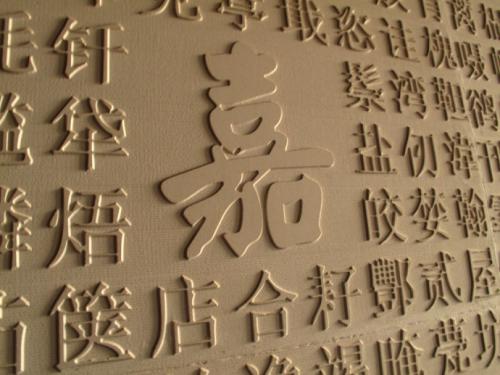
Chinese Calligraphy is an ancient writing art of Chinese characters. It has evolved from oracle bone inscriptions, stone drum inscriptions, and bronze inscriptions (Zhong Dingwen) to large seal, small seal, and official scripts, to cursive scripts, regular scripts, and running scripts established in the Eastern Han, Wei, and Jin Dynasties. Calligraphy has been exuded artistic charm. Chinese Calligraphy is a very unique visual art. Chinese characters are an important factor in Chinese Calligraphy, because Chinese Calligraphy was produced and developed in Chinese culture, and Chinese characters are one of the basic elements of Chinese culture. Relying on Chinese characters is the main mark that distinguishes Chinese Calligraphy from other types of calligraphy.

In this long historical process, the social and cultural forms are changing, the controllers of cultural power and their academic thoughts are changing, the historical form of calligraphy and its evaluation criteria are changing, and the writing of words that can be called “calligraphy” is of course also changing. In the aristocratic cultural form, the development of calligraphy is synchronized with the evolution of the Chinese character system, based on the concept of “practicality-aesthetics”, used this as a lever to continuously simplify and rectify, and enforced it through the highest power center.

Calligraphy is an artistic expression of the beauty of characters. Chinese Calligraphy is a unique traditional art of Chinese characters. It is written with its calligraphy, structure and composition, making it a work of art with a sense of beauty.

China’s five thousand years of dazzling civilization and unparalleled rich written records have been recognized by the world. In the long history of China, Chinese calligraphy and painting art reproduced this diachronic evolution process with its unique art form and artistic language. The painting and calligraphy art of the same nature has interpreted the connotation of Chinese traditional culture with its complementarity and independence in the historical evolution. Because the tools and materials used in book and painting creation are consistent.

Chinese Calligraphy is an abstract symbolic art with four-dimensional characteristics based on Chinese characters and written with a brush. It embodies the basic law of “the unity of opposites” of everything and reflects the spirit, temperament, knowledge and cultivation of people as the subject.

« Older posts

© 2025 China Yangtze.com

Theme by Anders NorenUp ↑