China Yangtze.com

China Yangtze River Information: cruises, maps, pictures, ships, three gorges dam.

Author: jessica (page 8 of 72)

Dr. Sun Yat-sen’s Mausoleum

Dr. Sun Yat-sen's Mausoleum

Dr. Sun Yat-sen’s Mausoleum

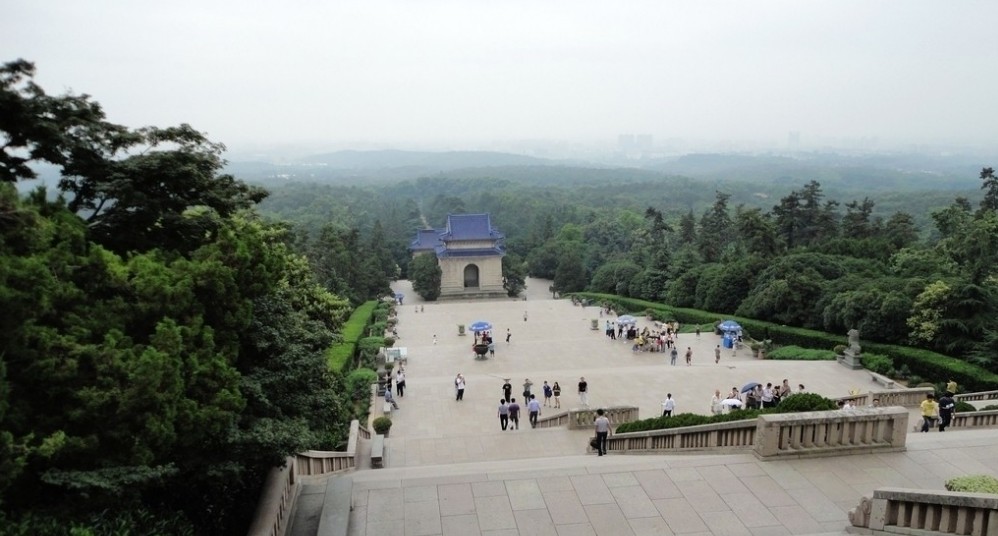
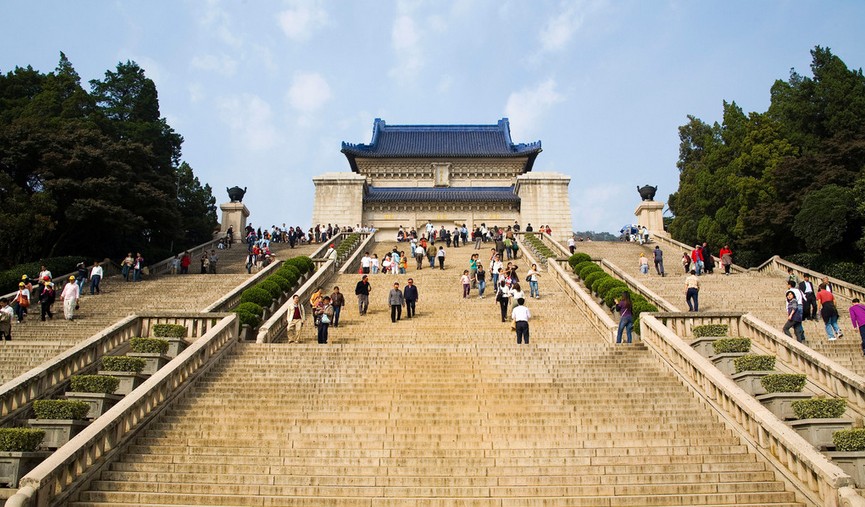
Located in the the east suburb of Nanjing Zhongshan scenic area, south foot of the Zijin mountain east peak with its east is Linggu Temple and west is Ming Xiaoling Mausoleum, the Dr. Sun Yat-sen’s Mausoleum is sun yat-sen’s mausoleum, who is the father of the republic of China and the Chinese democratic revolutionary pioneer. It became the first batch of national key cultural relics protection units in 1961 and was listed the first national 5 a grade scenic spot in 2007. Each building has achieved very good results in its body composition type, clour application, material performance and the detail processing; the tonal harmony has also strengthened the solemn atmosphere, featuring profound meaning and the grand finale, which is hailed as “first ling in the architectural history of modern China”.

Dr. Sun Yat-sen's Mausoleum

Dr. Sun Yat-sen’s Mausoleum

Characteristic landscape there includes Kiosk of Trajan, Kangxi Imperial Stele Pavilion, Zhongshan College and Flow Badge Pavilions. Kiosk of Trajan also called mourning hall, is a fusion of Chinese and western architectural styles palatial architecture; Kangxi Imperial Stele Pavilion was created by Tan Yankai; Zhongshan College features construction area of 2800 square meters built on November 1994, it is around with lawn, planting osmanthus, camellia, plum blossom, Sabina chinensis, magnolia, cedar and other kinds of plants, which makes the environment quiet and elegant. Flow Badge Pavilions also called waterside pavilion is located in side between Dr. Sun Yat-sen’s Mausoleum and Linggu Temple. Its three sides face water, one side alongside land, with stone steps are connected to the shore. The length of the pavilion is 14 meters and width 10 meters, around side is 1m high concrete parapet roof with milky glass tiles and red columns, and all building is reinforced concrete structure.

Dr. Sun Yat-sen's Mausoleum

Dr. Sun Yat-sen’s Mausoleum

Travel information: 1) Scenic area categories: cultural landscape; 2) Opening time: 7:00 a.m. – 18:00 p.m. and don’t open on Monday; 3) Ticket price: free. 4) Playing time suggestion: 2-3 hours; 5) Best time to visit: spring time and autumn time and snow in winter also fires your imagination; 6) Ways to go there: take the city buses no.9 or city tour buses line1, 2, and 3 to Sun Yat-sen’s Mausoleum station parking lot.

Taklung Monastery

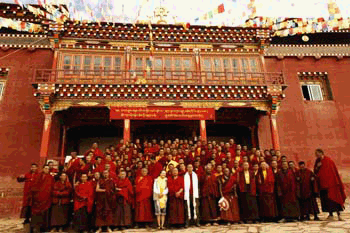
Taklung Monastery is just 120 kilometers away from Lhasa. It is a stunning structure of red brick that combines beautifully with the greenery of grass that surrounds it. Even more outstanding, are the over thousand prayer flags on top of the monastery waves in the wind as a symbol of deep faith. This 800 year old monastery was an important place of the Kagyu Buddhist. At present, many pilgrims visit to have a spiritual experience.

Talung Monastery

Talung Monastery

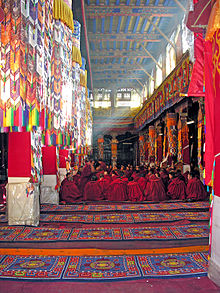
Originally, Taklung monastery was the dwelling of over 7,000 monks who follow Kagyu Buddhism. They spent their lives by doing meditation, prayers, and reflection. Rites and ceremonies are as well conducted regularly by the monks. Taklung monastery monks are known to obey a strict prayer of meditation and they avoid eating all meat. In order to follow their strict rule and to focus on the prayer, no women were allowed to go inside Taklung monastery. A nunnery located nearby is especially built for those women pilgrims who come for religious visit.

Once, the ascendancy of Taklung monastery was getting vague. This happened because the Riwoche school of Buddhist thought began to gain popularity. Even so, the charisma of Taklung monastery can never vanish.

‘Thangkas’, beautiful religious paintings are one kind of many significant features found in Taklung monastery. Originally made by Taklung’s monks, the paintings are displayed in a monastery for the visitors to see. Also, it is as a tribute for Taklung monastery’s artistic and spiritual value.

Talung Monastery

Talung Monastery

Stand strong till present doesn’t reflect that there was some damage of the monastery. It was even destroyed once during the Cultural Revolution. It was then rebuilt by hard work and spiritual courage of locals and monks. Some damage was caused by an earthquake in 2010. It was then immediately handled by preserving especially the fragile building.

According to the history, Taklung monastery was built on top of a sacred site. The place was previously dwelled by Pottawa, a famous lama. Therefore, the land where the monastery stands now has been a religious site even since centuries ago. No wonder that the spiritual environment is very much alive here.

Norbulingka

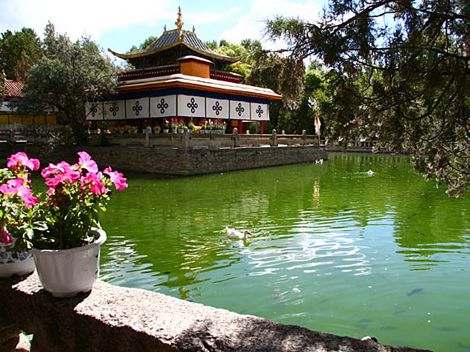
It is wonderful, it is fantastic, it is Norbulingka. As the meaning ‘Treasure Park’, Norbulingka is like a joyful heaven in the world. Also known as ‘the Summer Palace’, Norbulingka is a beautiful garden of 360,000 square meters area that consists of 374 rooms. It is located near Kyichu River in the western part of Lhasa, and only 0.6 mile away from the famous Potala Palace. Great Norbulingka garden is the biggest garden, man-made, in the whole Tibet.

Norbulingka

Norbulingka

Previously, it was a land of waste and wild animals. Even so, the Seventh Dalai Lama was fond of visiting the area. The Qing magistrate then started building a palace in 1740. Followed by Kelsang Potrang which was built under the order of the 7th Dalai Lama, It was then functioning as the Summer Palace for the significant Lamas, as well as the place for discussing political problems and for festive celebrations. Several renovations have improved the appearance of the Summer Palace. Decorated with pavilions, potrangs, gardens, and woods, the place are just stunning. The good thing is that, since it was turned into an open park, public now can also enjoy the beauty of the park.

Several palace complexes in Norbulingka are Kelsang Potrang, Takten Migyur Potrang, Tsokying Potrang, and Golden Linka. Each palace has three sections; the palace section, the front section, and the woods.

Norbulingka

Norbulingka

First section, Kelsang Potrang is named after Dalai Lama seventh. This three-storey palace consists of halls for prayer, reading rooms, bedrooms, and sanctuaries. The second palace, Tsokyil potrang was once considered to be the most outstanding one in Norbulingka. For the palace is a stunning pavilion with the Han style architectures. Golden Linka, the third palace was built in 1922. While the next, Kelsang Potrang was built for the thirteenth Dalai Lama along with the plantation of a lot of grass, trees, and flowers. Takten Migyur Potrang was constructed under the supervision of the fourteenth Dalai Lama in 1954. Since then, the place is known as the New Summer Palace. The last palace is distinctive for its unique characteristics. A combination of villa and temple, added the beauty of murals around the palace result in a valuable art. In the northern hall of Takten Migyur Potrang, murals reflect the kind Sakyamuni and his eight disciples. While in southern hall, the murals in comic strips show the Tibet development.

The Trugo Monastery

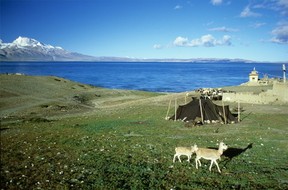
Located on the bank of the Mapam Yumco Basin, the sacred lake, the Trugo monastery is very well preserved. Considering its history of over than 400 years, the monastery stands strong till present. In 1960, the magnificent Trugo monastery was demolished but then rebuilt in 1985. Originally, the first Trugo monastery was made by a bKa’r Gyud master as a shelter for pilgrims to rest. It is then developed into its size as today.

Well maintained, is one visible thing of the Trugo Monastery. The perfect location around the bank of the sacred lake makes it even more popular. Many religious pilgrims from all around the world visit the lake every year. They chant while walking around the lake. Some ‘extreme’ devotee even sells their belongings and property just to pay for the trip.

The Trugo Monastery

The Trugo Monastery

Located around 1,400 km from the main Lhasa, the monastery can be reached by truck or off-road vehicle. The structure of the monastery may not be much unique. The architectural style is humble, white walls with black windows. Even so, being exist beside the blue lake has somehow made the monastery looks charming.

During June to August is the perfect time to visit the Trugo monastery because of the comfort weather. After August, the rainy season begins that often causes the road towards the monastery becomes sloppy and dangerous. In winter and spring, it is even more difficult to reach the monastery due to heavy snows all around the road.

The Trugo Monastery

The Trugo Monastery

Due to its far location from Lhasa, visitors may need to prepare carefully for the trip. Food supplies are necessary to bring because there are no restaurants along the way from Lhasa until the monastery. Also, only one guest house is available near the lake. Limited accommodations may result in a room sharing with other visitors. No fishing is allowed in the lake, neither taking photos is permitted inside the monastery.

Hangzhou National Silk Museum

Hangzhou National Silk Museum

Hangzhou National Silk Museum

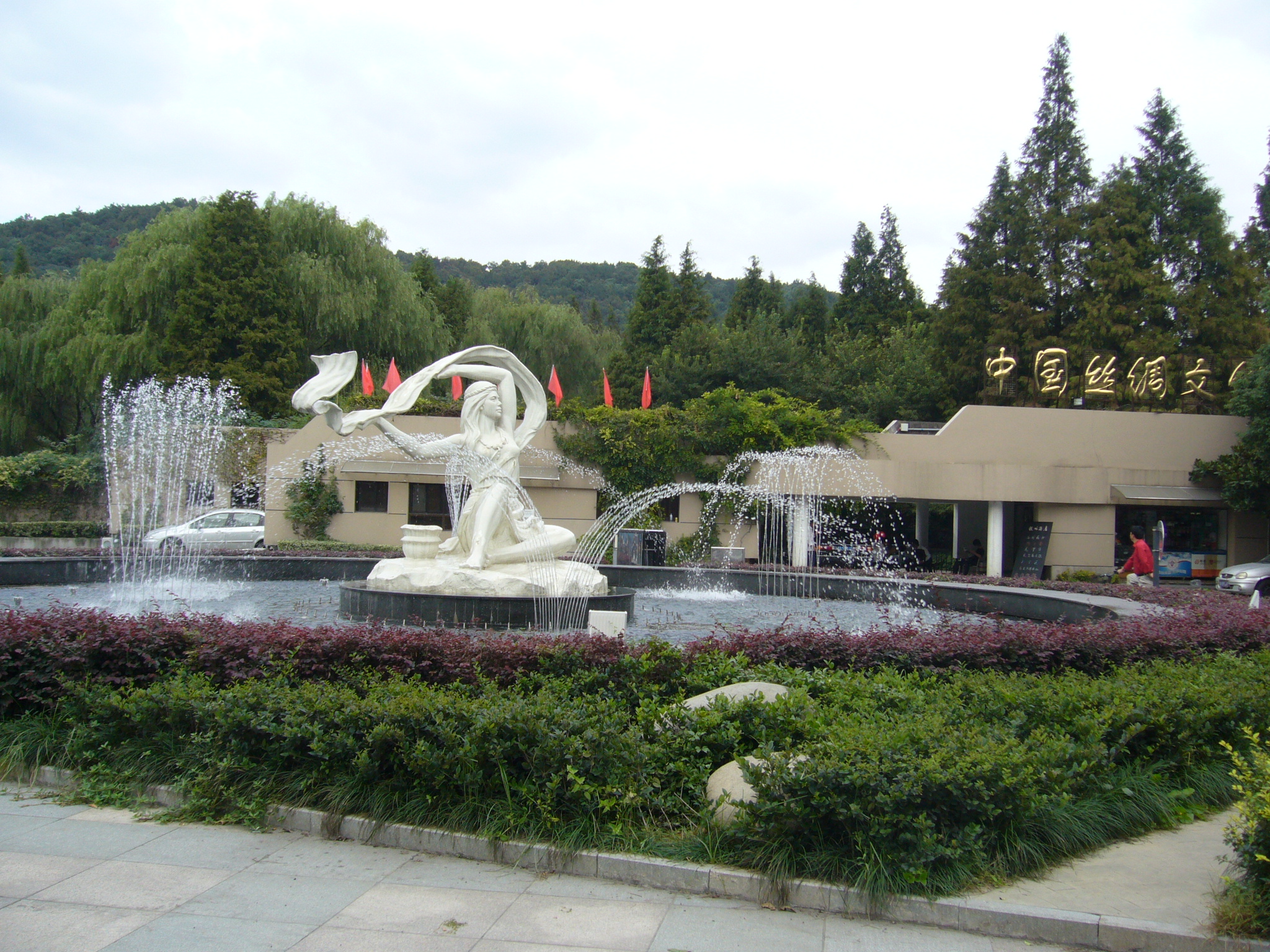
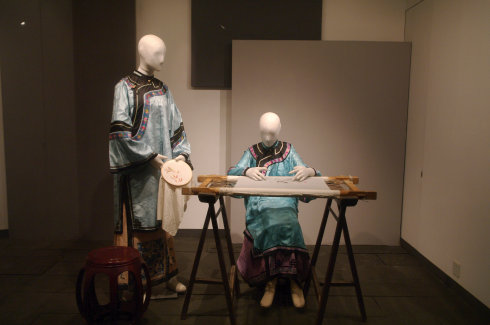
Located in the West Lake in Hangzhou, the China Silk Museum is the first one national professional silk museum and also the world’s largest silk museum. There are two halls and it is Zhejiang provincial CPC business unit now covering an area of 5 hectares with construction area of 8000 square meters and the exhibition area of 3000 square meters. It is open to public on 26th February in 1992.The basic display of the museum has been comprehensively adjusted in 2003, whose main hall is about a story of Chinese silk, and mainly described the origin and development of silk, main types of silk, silk road and silk in ancient social life status. Dyeing hall and modern achievements hall, respectively, show the development of ancient loom and the silk production, scientific research and foreign trade in our country’s glorious achievements after the founding of new China. The museum also has temporary exhibition hall to held various temporary special exhibition.

China Silk Museum features enjoyable environment and feminine and elegant architectural style, mulberry field with grass, small bridges, winding water, which let people enjoy the scenery of nature. The museum also has five distinctive silk store, a store, teahouse and other affiliated facilities, which makes it a good place for recreation.

Hangzhou National Silk Museum

Hangzhou National Silk Museum

The China Silk Museum is divided into five parts: Preface hall outlines the history of silk and the silk road, from a historical aspect told viewers silk from China and spreads to the world; Silk cultural relics and historical relics hall with a large number of the history of the picture shows the China five thousand years long silk culture and superb production technology; Silk hall lets you know the secrets of your planted mulberry sericulture and silk reeling and can look carefully silkworm son spins a cocoon of process; Dyeing hall is in the past in local and national characteristics of the building showing all nationalities in different historical periods of dyeing process; Modern achievement hall is a microcosm of the peoples republic of China silk shows in silk, silk production in China in the 50 years since the founding of the scientific research and achieved a brilliant silk trade. It is a best place worthy your visit.

Gandan Monastery

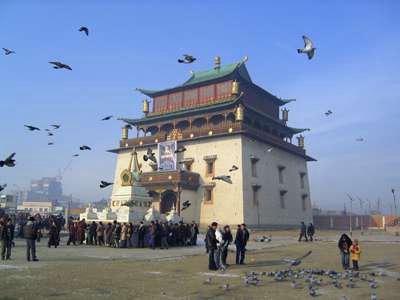
Gandantegchinlen, or is more popular as Gandan monastery is one of important monasteries in Mongolia. It is as well a big tourist attraction. The name Gandantegchinlen means ‘the great place of complete joy’. Alike the name, it is the place.

The bulding process of Gandan monastery was started in 1838 under the supervision of the fourth Bogd Gegeen. Unfortunately, just like other monasteries in Mongolia, the 1937 purges have swept away Gandan. It was then opened again in 1944 in order to show to US Vice President, Henry Wallace. Gandan, the religious monastery has continued to be a ‘show monastery’ for visitors from abroad until 1990. In the same year, full religious ceremonies were held. Afterwards, Gandan functions as a religious monastery. Over 600 monks are the occupants.

Gandan Monastery

Gandan Monastery

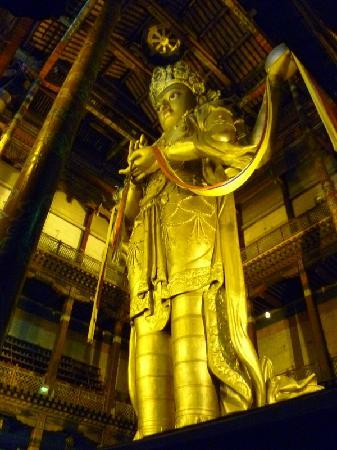
From the main entrance, there is a path directing towards a courtyard with two temples. The famous Orchidara temple or also known as Gandan Sum, located in the northest, is the place to hold important ceremonies. A large statue of Tsongkhapa is placed behind glass, in the end of Kora path. Another significant place is the Didan-Lavran temple. It was the residence of the 13th Dalai Lama during his stay in 1904. The main attraction of Gandan monastery is white Migjid Janraisig Sum. It is a temple which posses over hundred images of Buddha Longevity, Ayush.

In the east part, four colleges of Buddhist philosophy are located. One of them is the Yellow College. It is dedicated to a wrathful Buddhist deity, Kalachakra.

Gandan Monastery

Gandan Monastery

In the west part of Gandan temple is the University of Ondor Gegeen Zanabazar Budhhist, the university was established in 1970. However, it is not allowed for foreigners to have a visit inside.

Taking photos are allowed only around the monastery and inside the Migjid Janraisig Sum. The best visiting time is during the captivating ceremonies that start around 10:00. Being in a holy place, visitors shall be cautious of pickpocketers that are among crowds.

Barkhor Street

Barkhor is an ancient round street that surrounds the famous Jokhang temple, located in Lhasa city. Visiting Lhasa is not complete without a peek on Barkhor street.

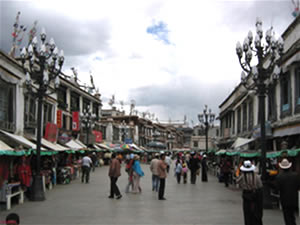
The development of Barkhor street was actually the effect of the popularity of Jokhang Temple which was built by King Songtsen Gampo. Many Buddhist pilgrims who visited the temple unintentionally has created a path, known as Barkhor street. The path has then become busy and famous. Locals are proud of Barkhor street. The street leading to the holy Jokhang temple is now half a shopping complex. Many visitors walk down the Barkhor street for praying while the others are enjoying a beautiful place with beautiful selling items.

Barkhor Street

Barkhor Street

At present, many visitors still keep praying by walking clockwise along the Barkhor street holding the prayer wheels from dawn to dark. Many others even walk from thousands miles away to express their purity for prayers.

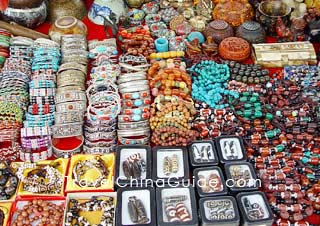
The magical street, Barkhor is paved by hand polished stones. The path is relatively small. Even so, it accommodates more than a thousand tourists per day. Varied shops stand in both sides plus floating stands that are found in every corner make Barkhor more interesting. Mostly, the shops provide the prayer wheels, and Tibetan traditional clothes ‘chuba’. Other items like Tibetan knives, Tibetan accessories, and religious article are also offered. One unique commodity is Tibetan scroll painting known as Thangka. Even more, visitors can find some religious articles originated from Nepal and India as well.

Barkhor Street

Barkhor Street

A visit to Barkhor street shall be an unforgettable moment. There are some handy tips to avoid hasty travel. Walking clockwise along the street is advised as the religious pilgrims do so. Many lanes can cause the visitors to lose their way, especially in the evening. It is better to leave early. To bargain is very much encouraged while shopping along the street, it is because the shops sell similar kinds for different price.


Drepung Monastery

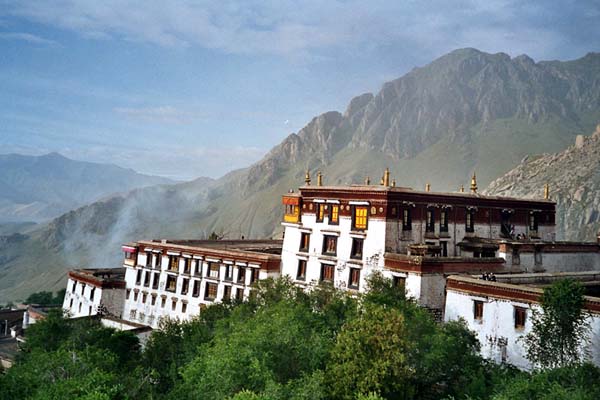
Drepung Monastery is located in the foot of Mountain Gambo, Lhasa. Drepung  is one of “Three Great Monasteries” of Tibetan Buddhism, after Sera Monastery and Ganden Monastery. It covers 250,000 square meters area. The monastery is occupied by 7,700 monks, 141 fazendas, and 540 pastures. Compared to the other monasteries alike, Drepung is considered a a large scale based on the population.

Drepung Monastery

Drepung Monastery

A unique thing about the appearance is that its white constructed grand assembles a heap of rice. Therefore, it was named Drepung than means ‘collecting rice’ in Tibetan.

Drepung monastery has a quite complex organizational system. The main divisions are Coqen, Zhacang, Kamcun, and Mycun. On the highest level is Coqen where Zhacan belongs. Kamcun and myicun are under Zhacang. The rule is that, monks belong to Zhacangs are not allowed to blend with the others.

Structures of Drepung are on the temples and caves for Jamyang Qoigyi. It is combined with two great white pagodas with the main buildings in the center. The buildings are Coqen Hall, Ganden Potrang, Tantric Colleges, and Kamcuns.

Located in southwest corner, the Ganden Potrang is the dwelling of Dalai Lama second, third, fourth, and fifth. It was then functioning as the meeting room for both politics and religion regime, after of Dalai Lama left to Potala Palace.

Drepung Monastery

Drepung Monastery

The center part is Coqen Hall. A magnificent Entrance Hall is in the end of wide stone stairs. Fine colorful statues of Buddha, collections of precious sutras, Gangyur Tripitaka written in gold powder, a bronze statue of Qamba Buddha, and sutras of woodcarving are among the rare treasure possessed by the monastery.

Cultural relics in Drepung monastery are effortlessly adorable. In Coqen Hall are the statues of Manjushri Bodhisattva and Sitatapatra. Followed by rare sutras and conch shell of Jamyang Qoigyi those are kept in the same building.


Jokhang Temple

A precious temple of Potala palace, Jokhang, is one of UNESCO’s World Heritage list in 2000. It is the primary destination for Pilgrims from surrounding Tibet. Situated in central Lhasa, Jokhang temple covers six acre area.

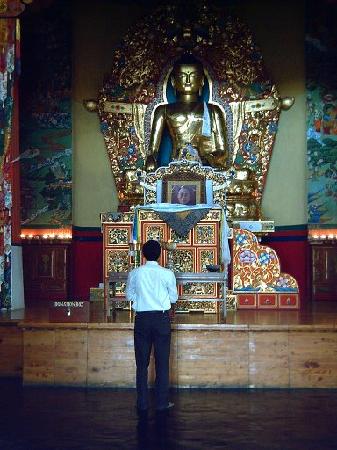
Jokhang temple consists of 647 complexes. The temple was built in Tang Dynasty as per the request of Princess Burikuti to King Songstem Gampo. Originally, the complex included eight shrines only. The constructions then grows bigger as the results of multiple constructions during renovations. Some big repairs happened during the Yuan Dynasty, the Ming Dynasty, and the Qing Dynasty.

Jokhang Temple

Jokhang Temple

Previously, the site where Jokhang temple exists was a lake. The reason behind constructing a temple on top of the lake was because of many failed attempts in several other areas. the temple kept collapsing. The myth said that Princess Bhrikuti then asked Wen Cheng for advise. She then explained to Princess Bhrikuti that the geography of Tibet is like a hag, with the lake at the center. A perfect site for monastery would be on top of the lake. in order to do so, Wen Cheng tols to level the lake by filling it with the help of 1,000 goats to carry soil from far mountain. That is why it is called as Ra-Sa-Vphrul-Snang. Ra means goat, and Sa means Tibetan earth. Later, the place is well known as Lhasa, the Holy city.

Jokhang Temple

Jokhang Temple

The beauty of Jokhang temple is built of four storey timber covered with golden on top. The architecture is a mixture of Tang Dynasty, Tibet, and Nepal style. The square of the temple consists of two steles. One is a symbol of the relationship between the Tibet King and the Tang Emperor; while the other is a place containing educational portrayal of how to avoid and treat smallpox.

To add the charm, rows of flicking lights in the eastern section along the yard lead the way to the main hall. The hall is the oldest shrine, more than 1,300 years old, of the structure. One precious treasure of Jokhang Temple is the Statue of Sakyamuni (age 12).

Tombs of the early Tibetan kings

For tourists who are in search of a vacation place that has a great value of history, Tombs of the early Tibetan Kings would be the perfect one. It is something different from other travel destinations because it doesn’t only provide a joy of travelling but also a benefit of experiencing and learning ancient history.

Tombs of the early Tibetan Kings are the graveyard of Tibetan Kings ruling from 7th to 9th century. The site is located high up on Mure Mountain. In 3 square kilometers, it consists of nine massive mausoleums that stand as a symbol of great history of ancient Tibet. The earthen structures, square shape, flat-high are variable in sizes. The massive tombs were high up, square shape, and flat tops. Thousand years later, the figures have changed into round, flat on the top and even eroded due to weather and wind.


Tombs of the early Tibetan kings

Tombs of the early Tibetan kings

Some Tibetan Kings who occupy the tombs are Manshongman Tomb, Songtsen Gampo, Hedezhuzhan Tomb, Tride Songsten, Trisong Detsen, and Lang Darma. The most popular mausoleum is of Songtsen Gambo. It consists of nine chambers. One of them is used as Buddhist hall. A unique thing in this hall is the coral lamp that never runs out of light, placed in the centre of the hall. The story says that the corner of Songtsen Gambo’s tomb was used to keep treasure. The king’s phenomenal achievement was to unite the Tibetan tribes and joining hands of Tibetan and Han people. He was the one who made Lhasa as the capital. Therefore, the city was chosen to be his tomb. Other two main tombs are of Dusong Mangbujie and Chide Songzan.


Tombs of the early Tibetan kings

Tombs of the early Tibetan kings

The tomb is surrounded by an outstanding environment. Open ground all around, rich soil, fantastic landscapes are adding the beauty of the Tombs. It is as well popular for its moderate weather. Its outstanding location is incomparable. Right on a plateau it stands.  During sunset is an excellent time to enjoy a stunning natural sight of the site.


« Older posts Newer posts »

© 2025 China Yangtze.com

Theme by Anders NorenUp ↑