Nestled among misty hills and flowing rivers, Chongqing, often called “The Mountain City,” is one of the most distinctive destinations in southwest China. It’s a city where futuristic skyscrapers rise from steep cliffs, and ancient traditions blend seamlessly with modern life.
For Western travelers seeking authentic China travel experiences, Chongqing is a feast for the senses—think fog-draped skylines, layered roads, sizzling hotpot, and the famously warm-hearted locals.
Top Attractions in Chongqing
1. Hongya Cave | The Living Canvas of Bayu Culture
Perched along the Jialing River, Hongya Cave (洪崖洞) is Chongqing’s most iconic landmark. Originally built during the Song Dynasty as Hongya Gate, it has been reborn as a multilevel architectural wonder that fuses ancient Bayu culture with modern aesthetics.
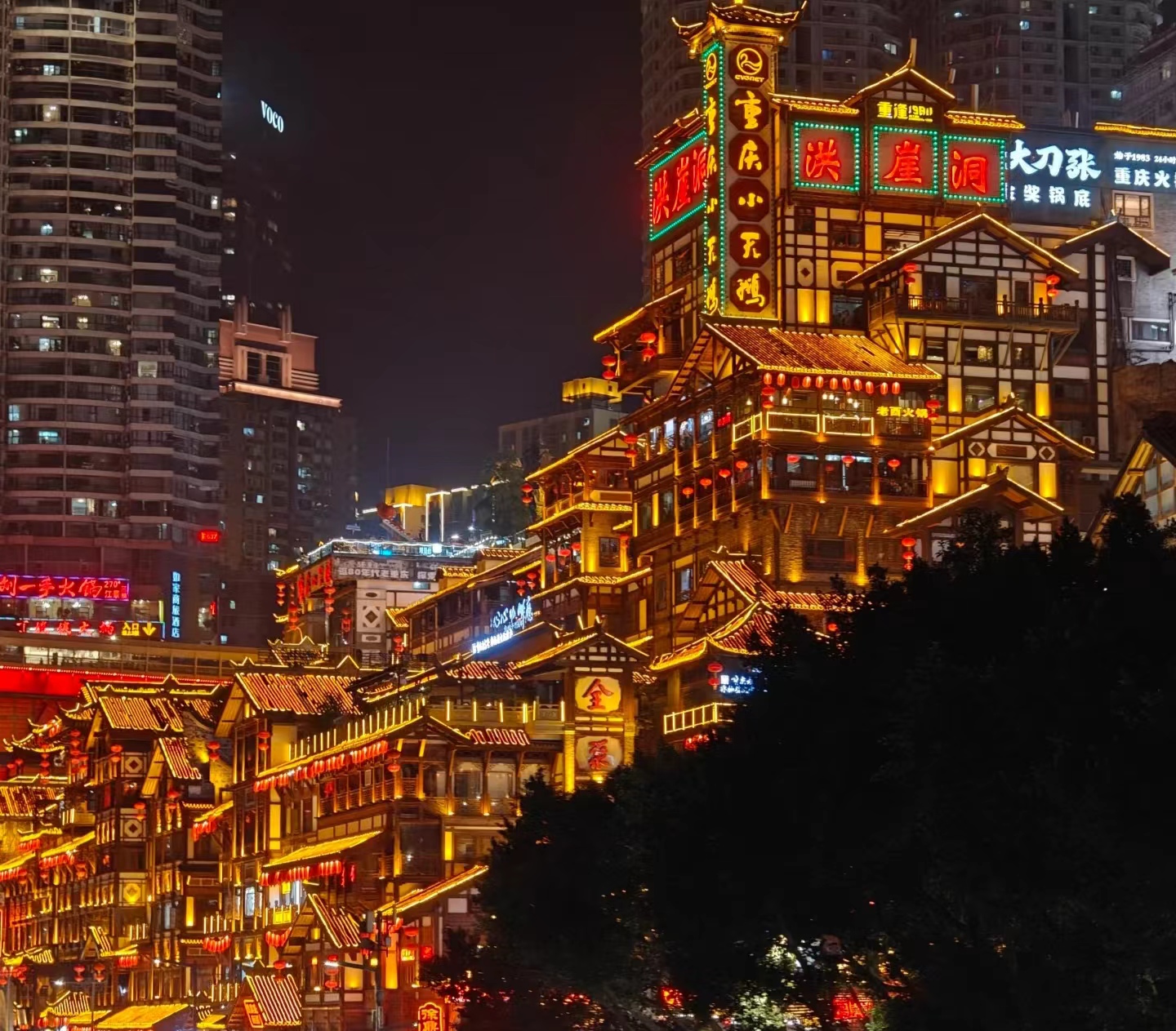
The eleven-tiered wooden complex clings to the hillside, with cable trains slicing through buildings and stairways weaving upward in a maze-like pattern. By night, the glowing lanterns and warm lights transform the place into a scene straight out of a Studio Ghibli film.
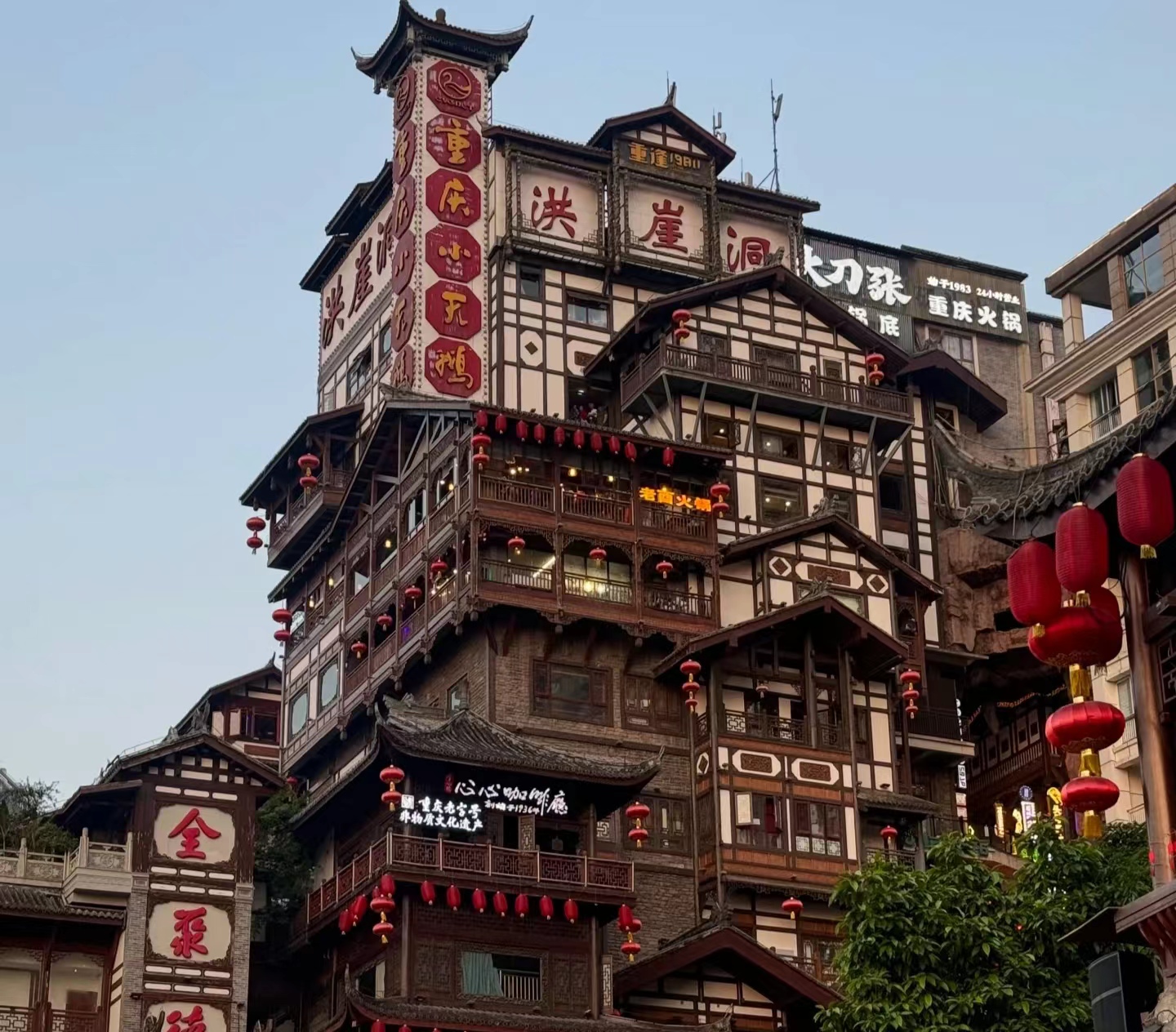
What to do at Hongya Cave:
- Explore the Bayu Folk Street, filled with Sichuan opera masks, embroidery screens, and traditional handicrafts.
- Watch artisans handcraft lacquerware and bamboo weaves in the Intangible Cultural Heritage Workshops.
- Try local snacks—spicy skewers, hot and sour noodles, cold jelly, and the famous Chongqing Hotpot aroma filling the air. Don’t miss Ciqikou Mahua and Old Mountain City Yogurt.
2. Jiefangbei & Bayi Food Street | The Spirit of Liberation and Flavor
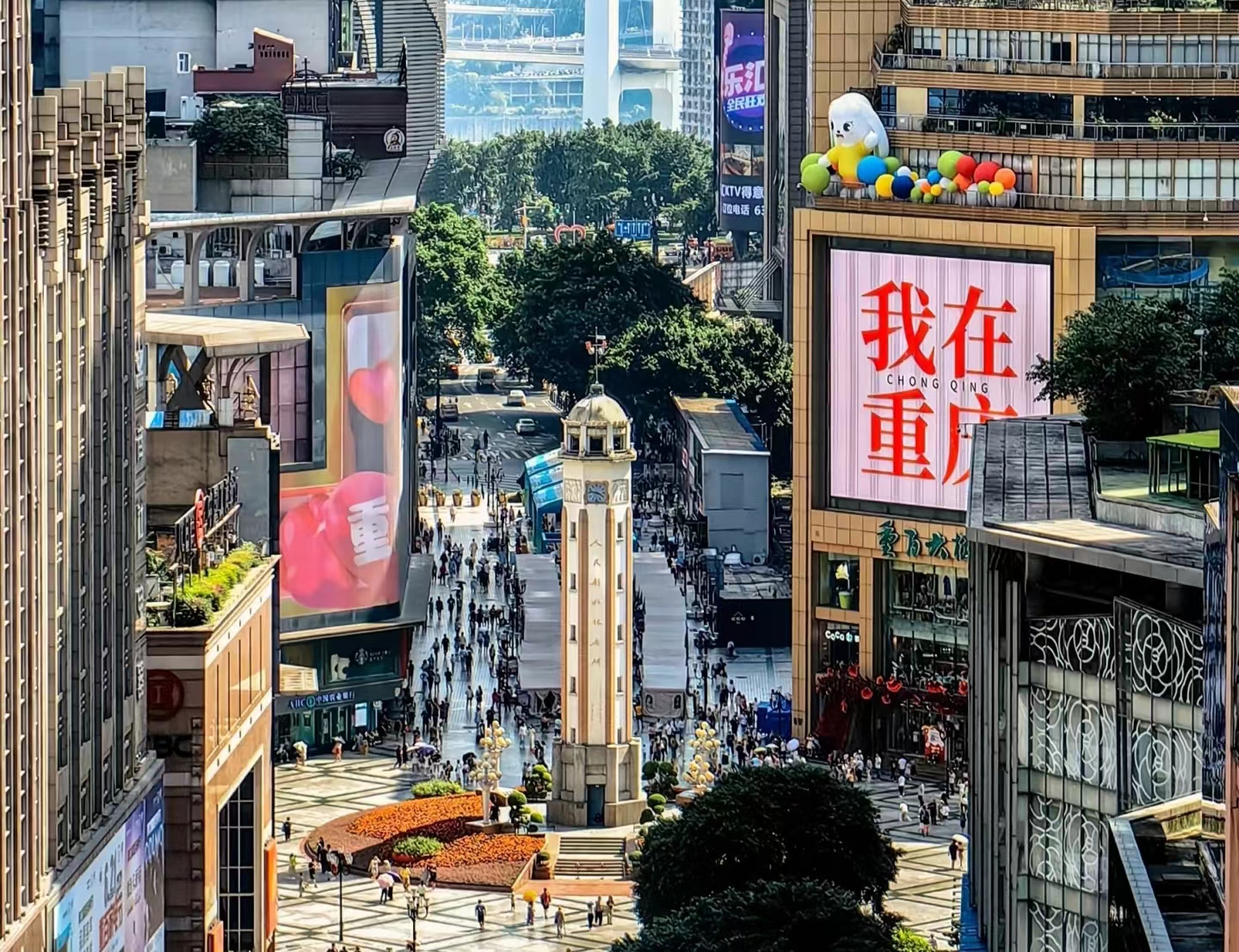
The People’s Liberation Monument (Jiefangbei), once called the Victory Monument of the Anti-Japanese War, stands proudly at the heart of Chongqing’s downtown pedestrian zone. It symbolizes both the city’s resilience and its modern rhythm.
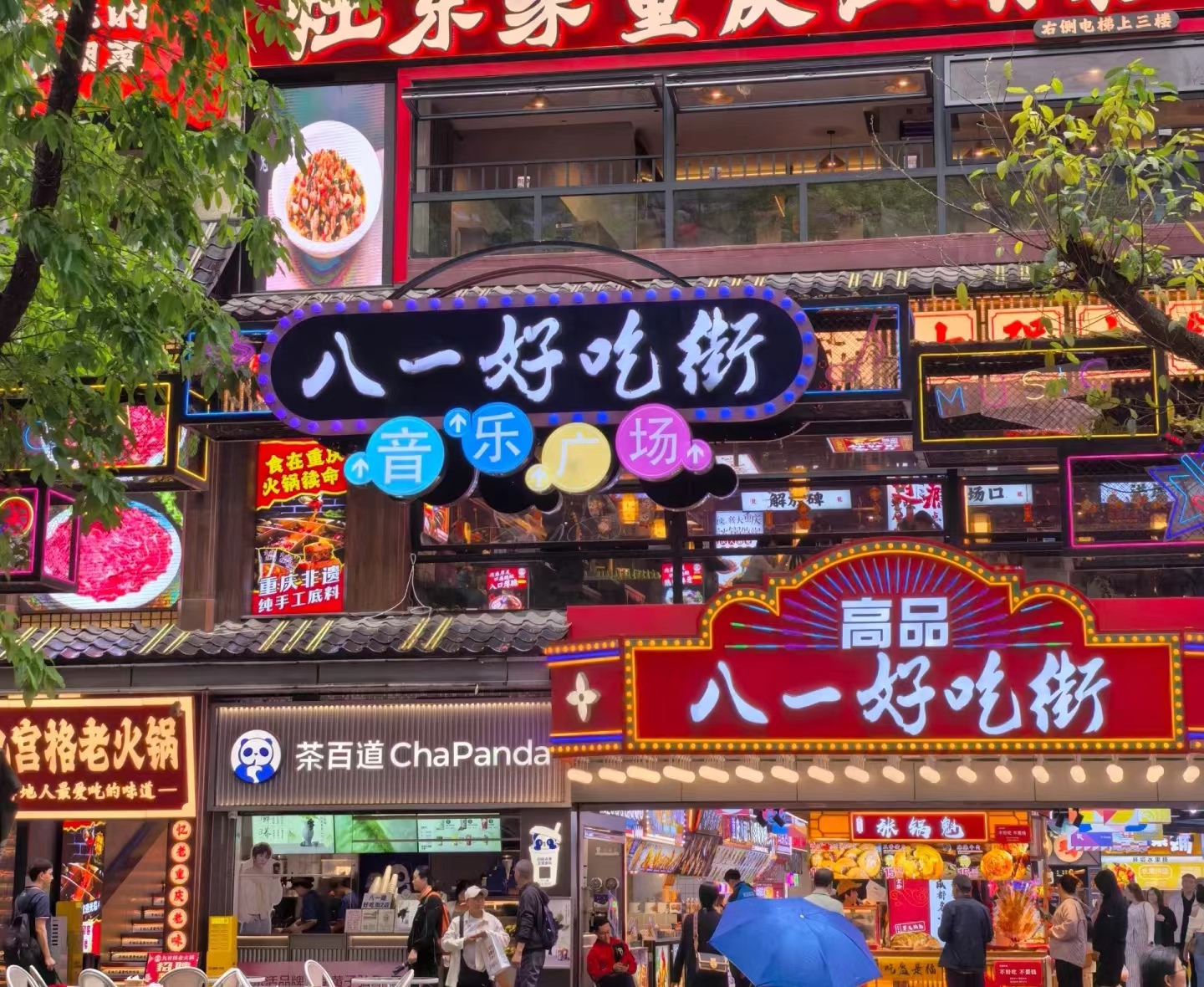
Wander through Jiefangbei Pedestrian Street to shop, watch street performers, and soak up the city vibe. Then follow your nose to Bayi Food Street, a culinary paradise where every stall tells a story.
Must-Try Street Foods:
- Chongqing Noodles (Xiaomian): The city’s superstar street dish—fresh noodles topped with scallions, minced meat, peas, and a spoonful of chili oil that hisses as it hits the bowl.
- Hot and Sour Glass Noodles: A tangy, spicy sensation that wakes up your taste buds like a rollercoaster ride.
- Braised Chicken Feet (Jianglong Zhuzhua): Tender, flavorful, and melt-in-your-mouth good—an adventurous must-try!
3. Ciqikou Ancient Town | A Step Back in Time
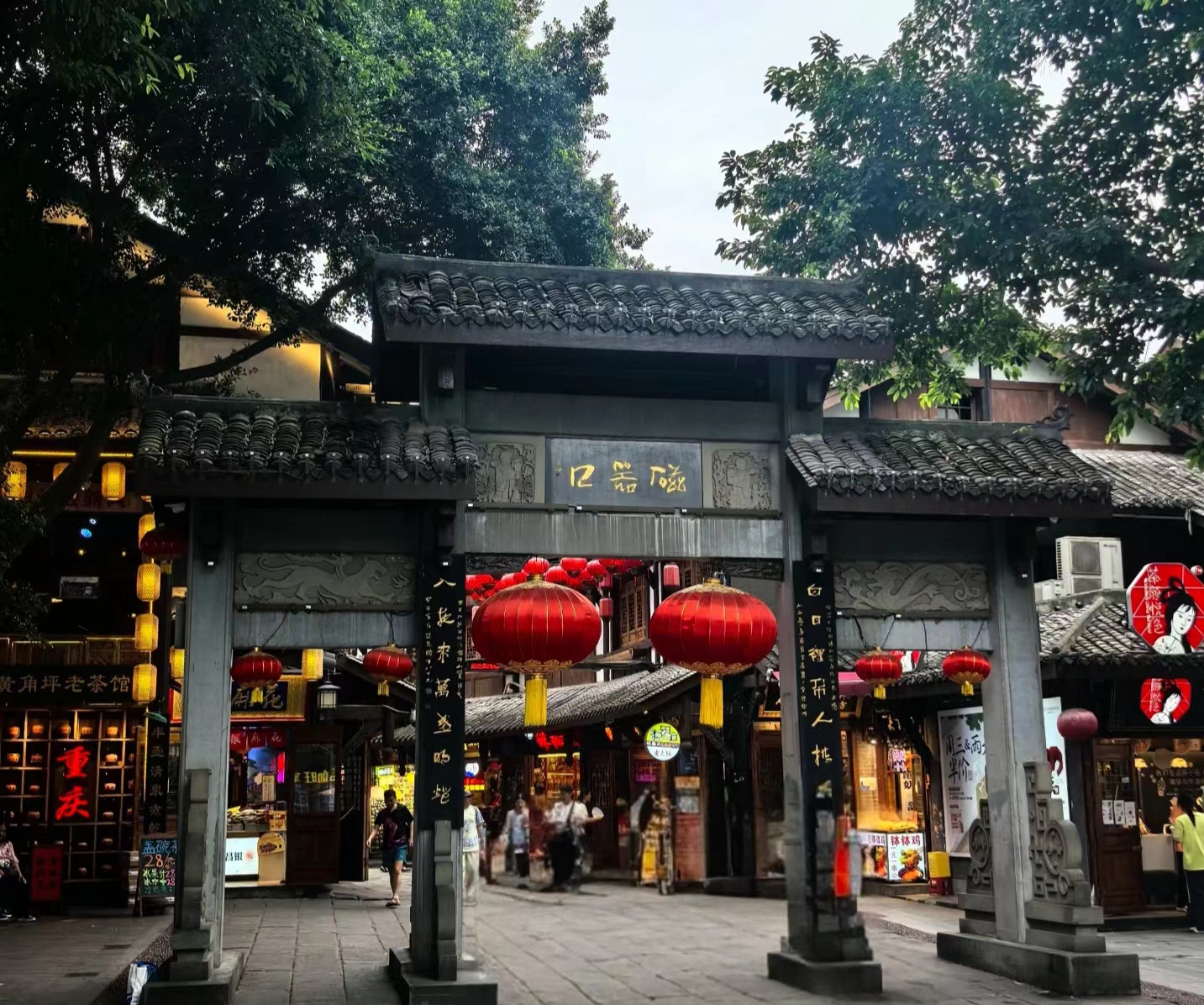
If you want to immerse yourself in traditional Chongqing life, Ciqikou Ancient Town is your best bet. Once a bustling river port on the Jialing River, this cobblestone town is a microcosm of old Chongqing, complete with tea houses, snack stalls, and handicraft shops.
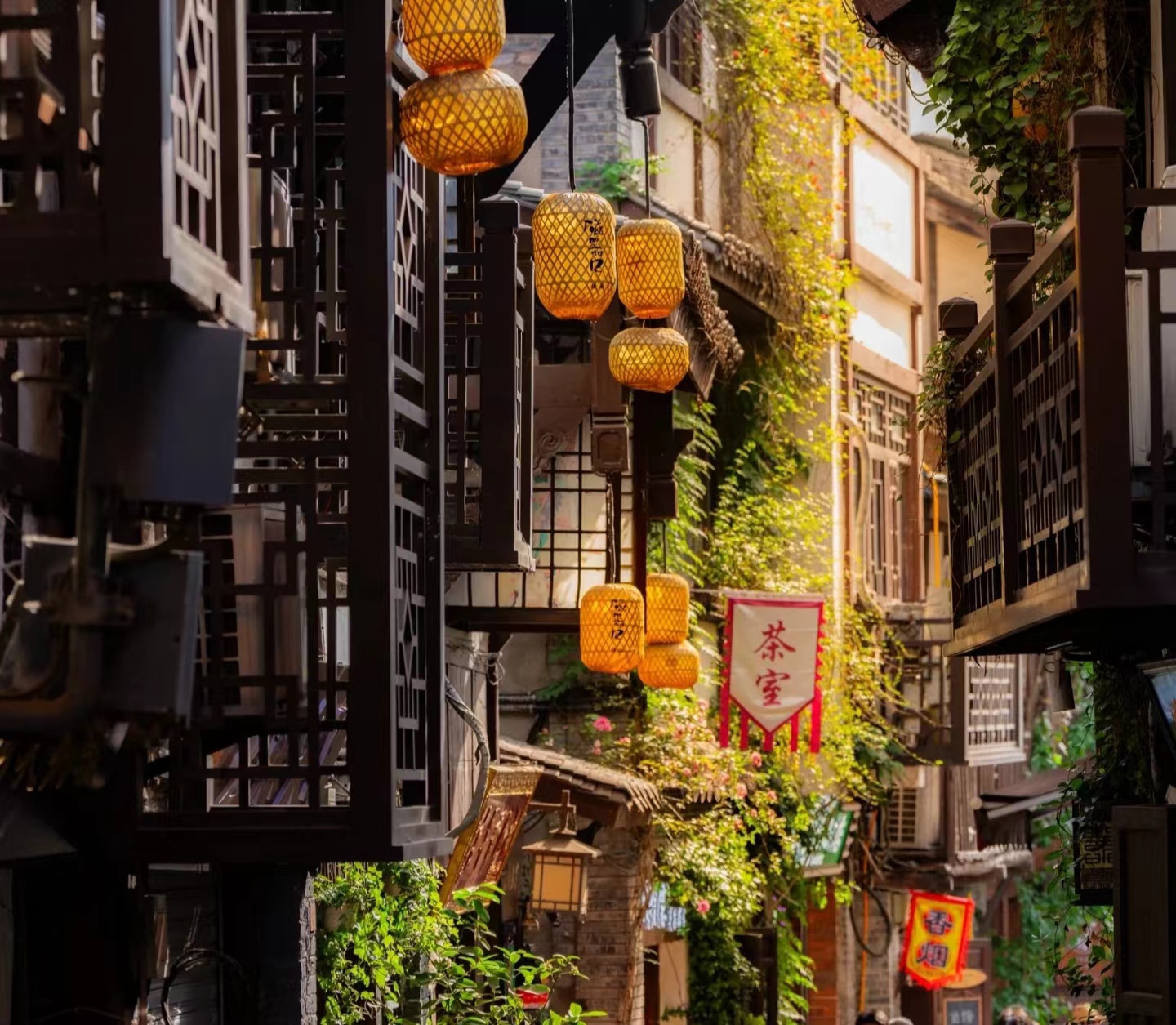
Highlights include:
- Stilted House Square: Perfect for photos, especially after sunset when the lights come on.
- Baolun Temple: One of Chongqing’s oldest temples, framed by golden ginkgo trees—ideal for autumn photography.
- Mahua Museum:
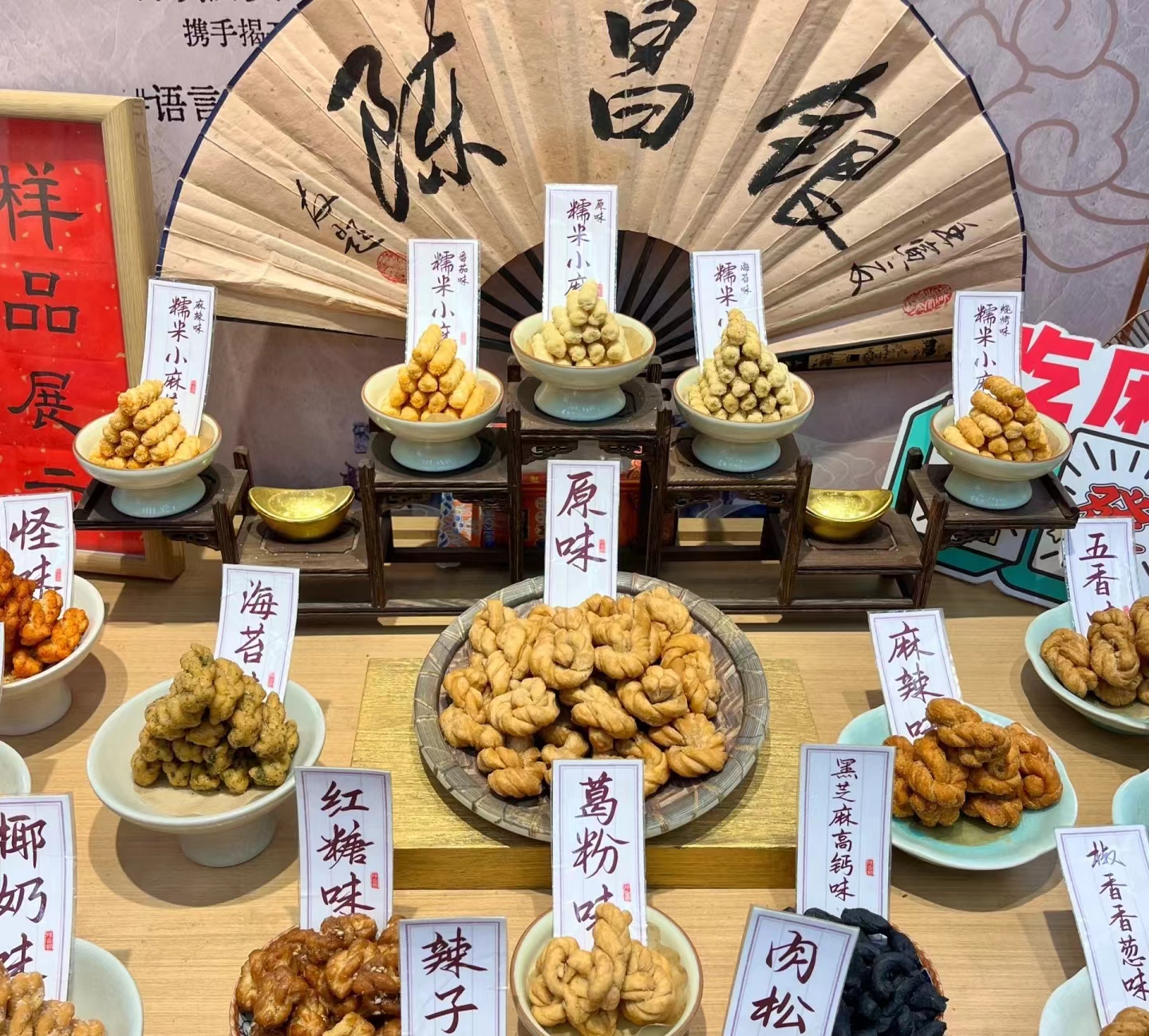
Dedicated to Chongqing’s beloved twisted fried dough snack. Watch artisans make them by hand and taste one fresh from the fryer!
4. Yangtze River Cableway | The Sky Ride Across the City
The Yangtze River Cableway is not just transportation—it’s a Chongqing tour highlight. Stretching 1,166 meters across the mighty river, it connects Yuzhong District and Nan’an District, offering unbeatable views of the city’s skyline.
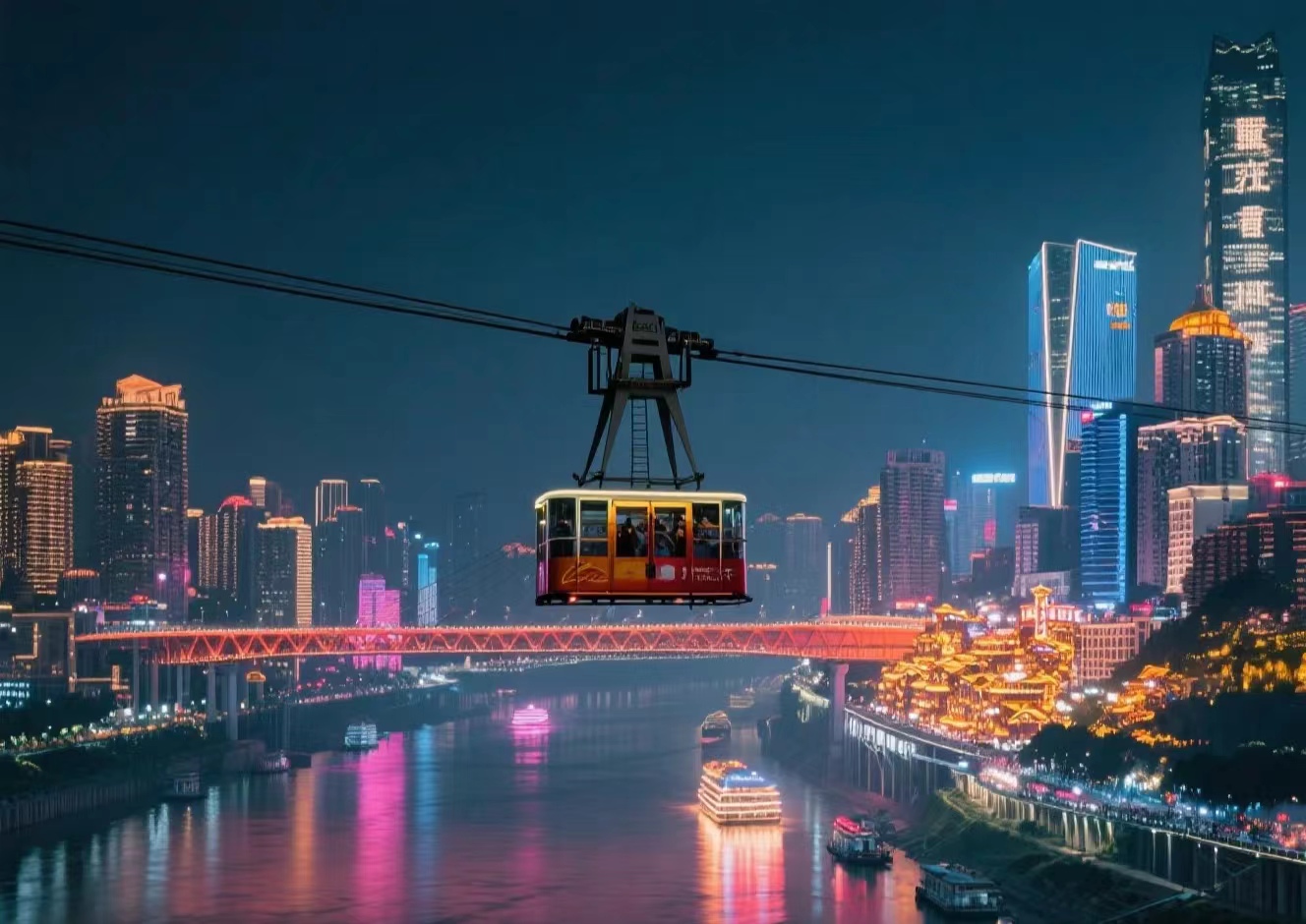
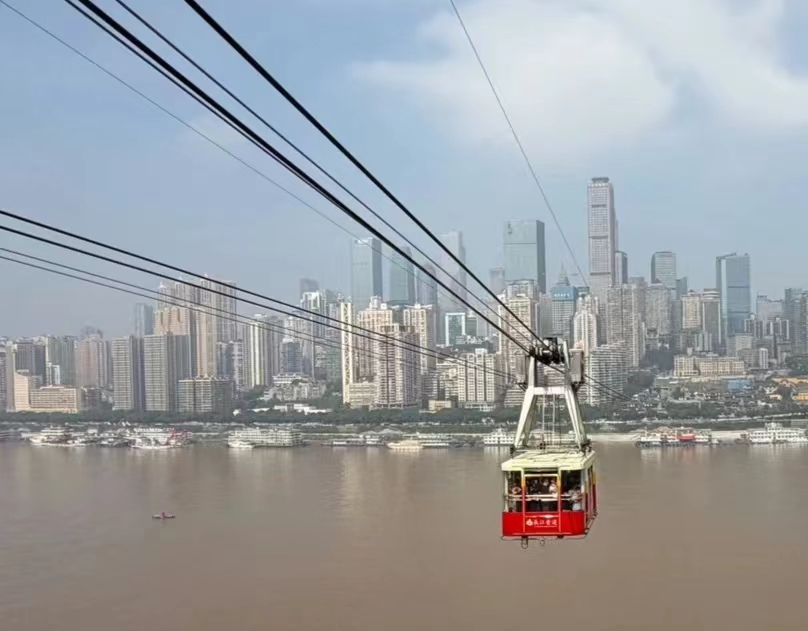
Experience Tips:
- Ride by day to admire the mountain-and-river panorama.
- Ride by night for glittering lights reflecting on the Yangtze River.
- It perfectly symbolizes Chongqing’s three-dimensional urban landscape.
Hours:
- 8:00 AM–10:00 PM (7:30 AM–10:30 PM on holidays).
Ticket Prices: - 30 RMB one way, 50 RMB round trip.
Check ahead, as maintenance closures happen monthly.
5. Liziba Station | The Light Rail Through the Building
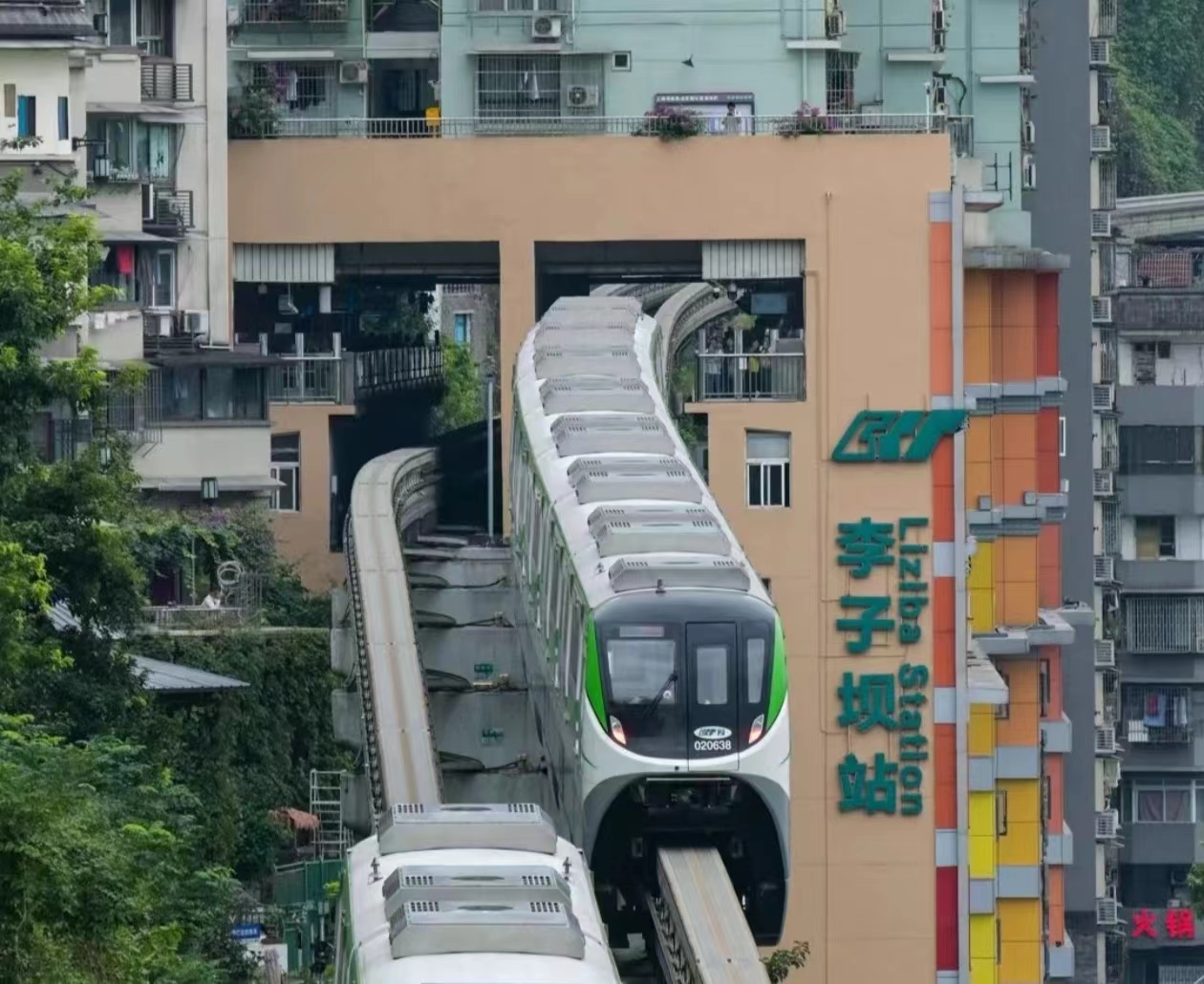
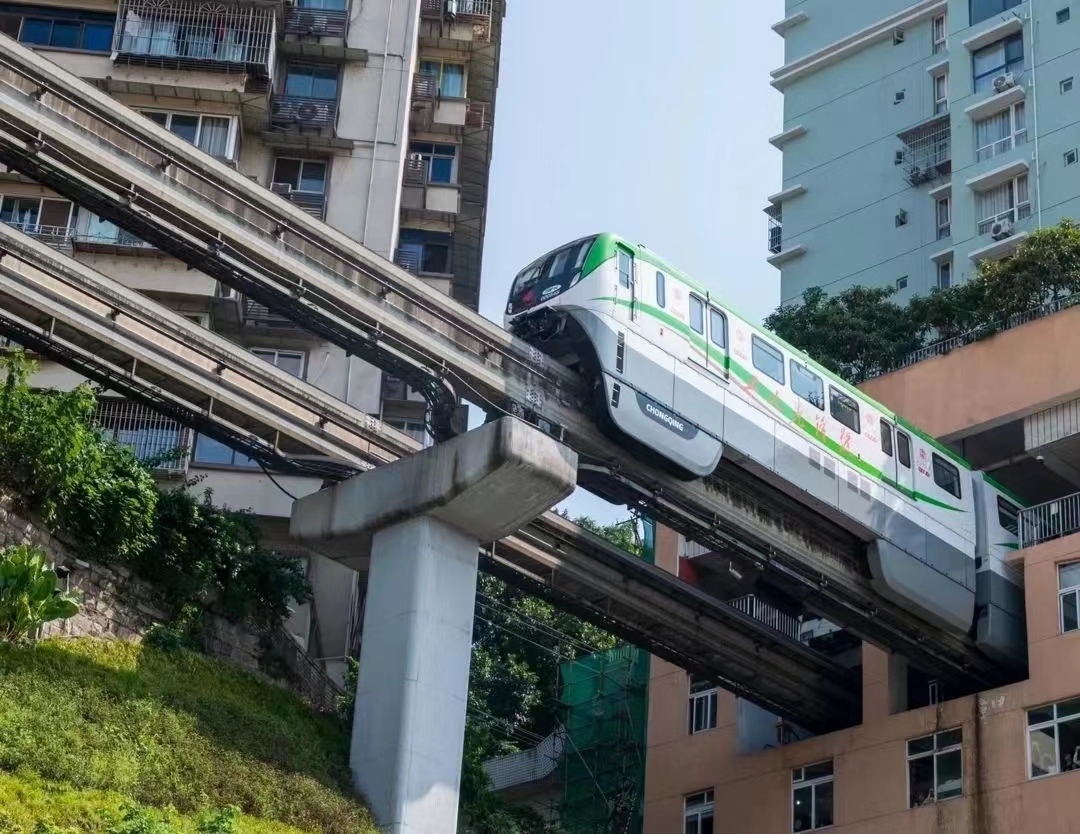
No Chongqing travel is complete without visiting Liziba Light Rail Station—the internet-famous site where the train literally passes through a residential building. It’s a surreal spectacle that perfectly captures the city’s vertical, layered terrain.
Below flows the Jialing River, beyond rise misty hills, and in between, trains zip through walls. This is Chongqing’s “real-life sci-fi cityscape.”
Chongqing Food Guide: A Spicy Affair
Chongqing cuisine is an adventure of flavor—fiery, fragrant, and unforgettable. For many visitors, eating here is the highlight of their Chongqing tour.
1. Chongqing Hotpot
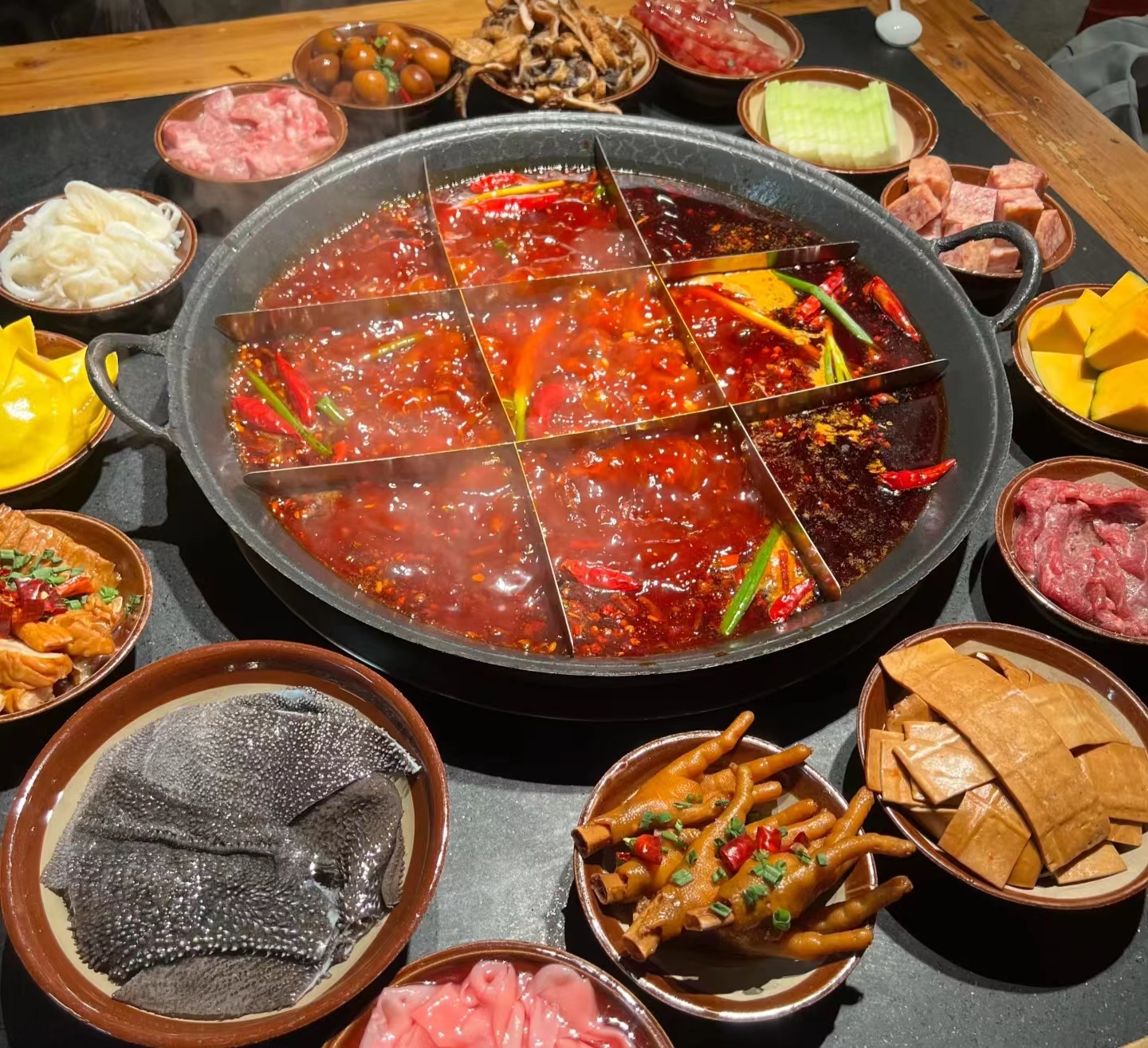
The city’s culinary pride! The bubbling red broth of chilies and Sichuan peppercorns creates a bold, numbing sensation.
Where to try: Liu Yishou Hotpot, Peijie Old Hotpot.
💡 Tip: Ask for “mild spicy” if you’re new to Sichuan flavors.
2. Spicy Chongqing Noodles
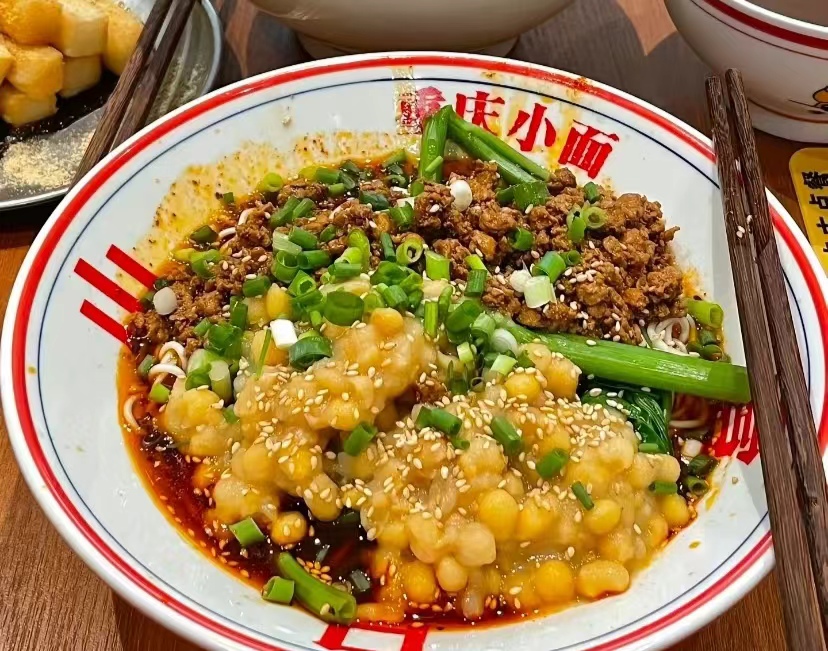
Simple, affordable, and soul-warming. Perfect for breakfast or a quick lunch.
Try: Zeng Ji Old Noodle House.
3. Skewer Hotpot (Chuanchuan Xiang)
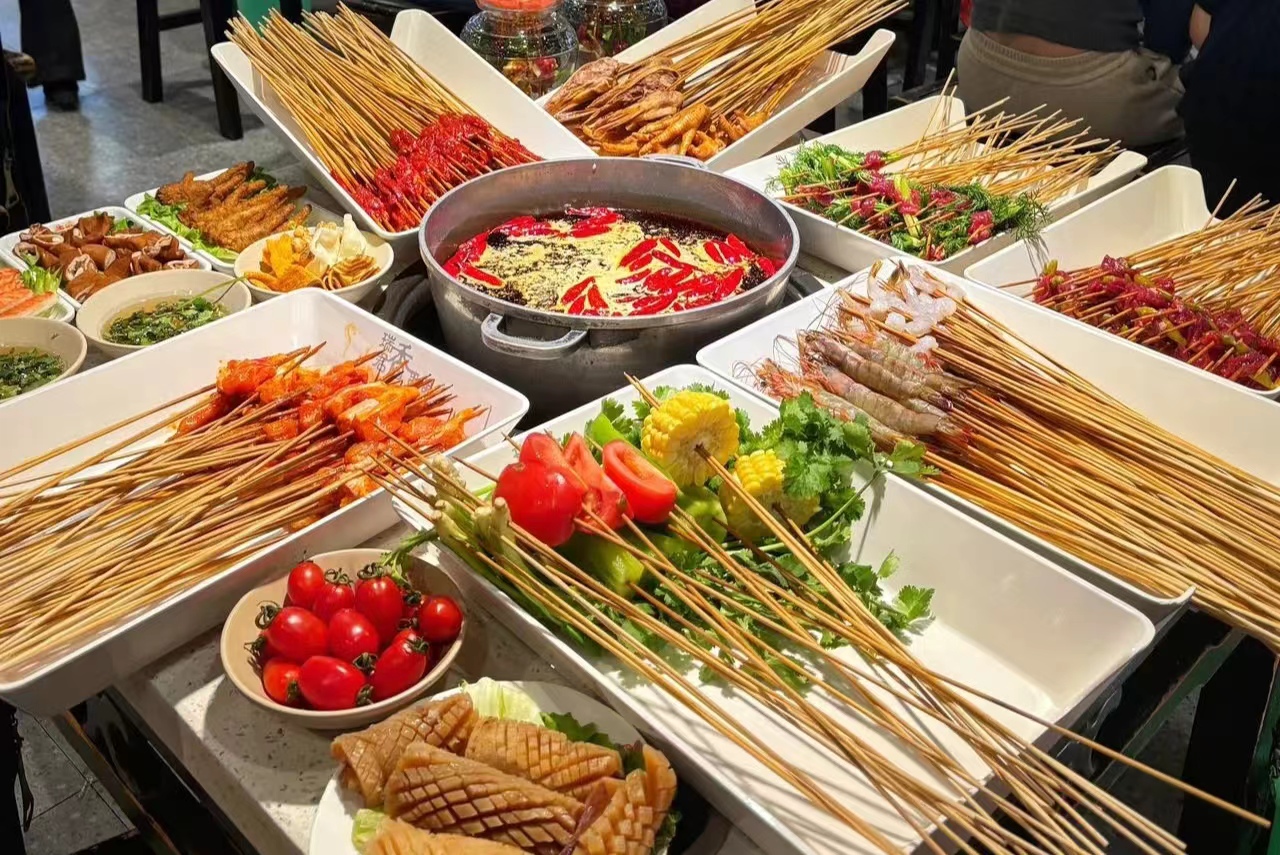
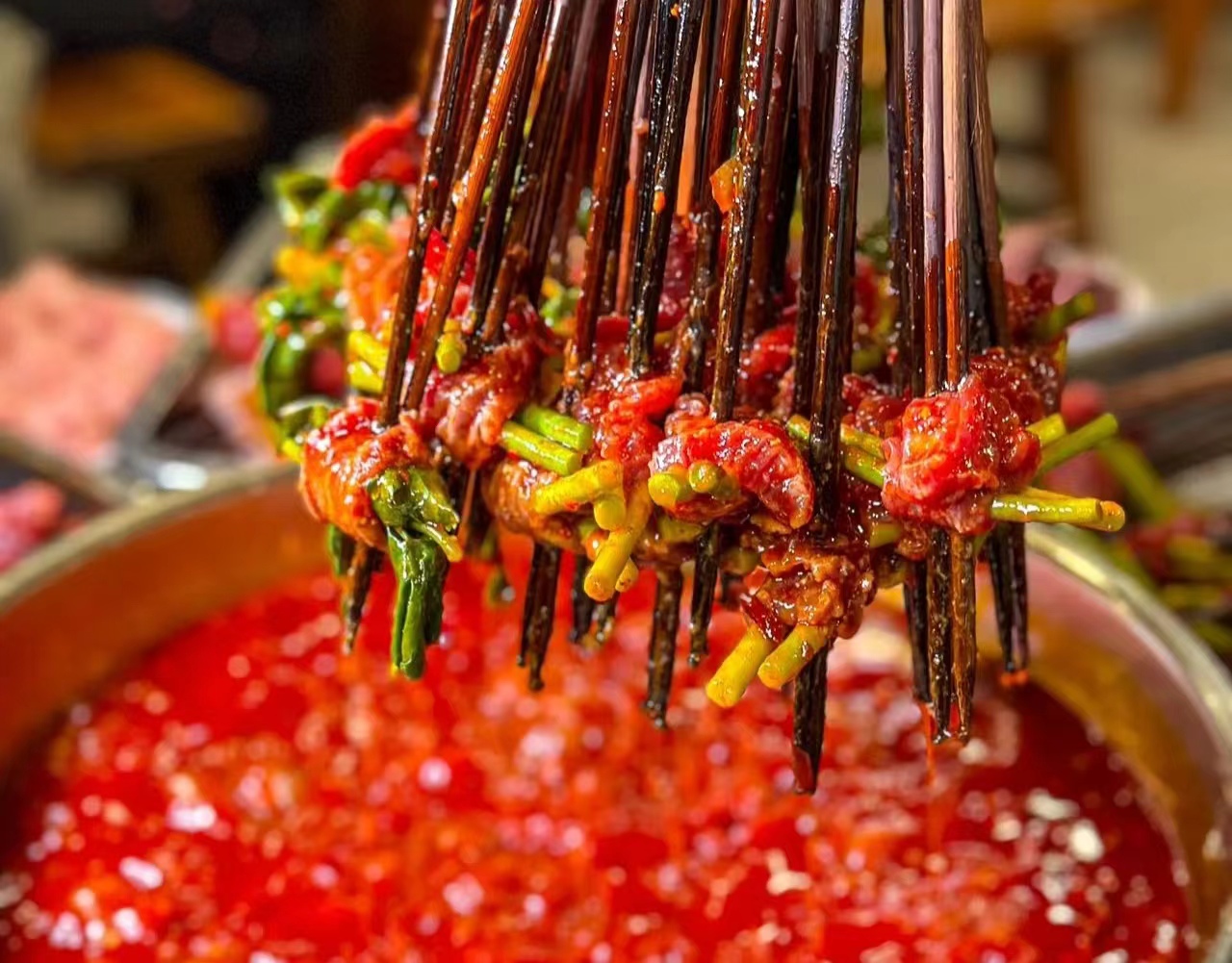
A portable version of hotpot—ingredients skewered on bamboo sticks, dipped, and eaten right away.
4. Hot and Sour Glass Noodles
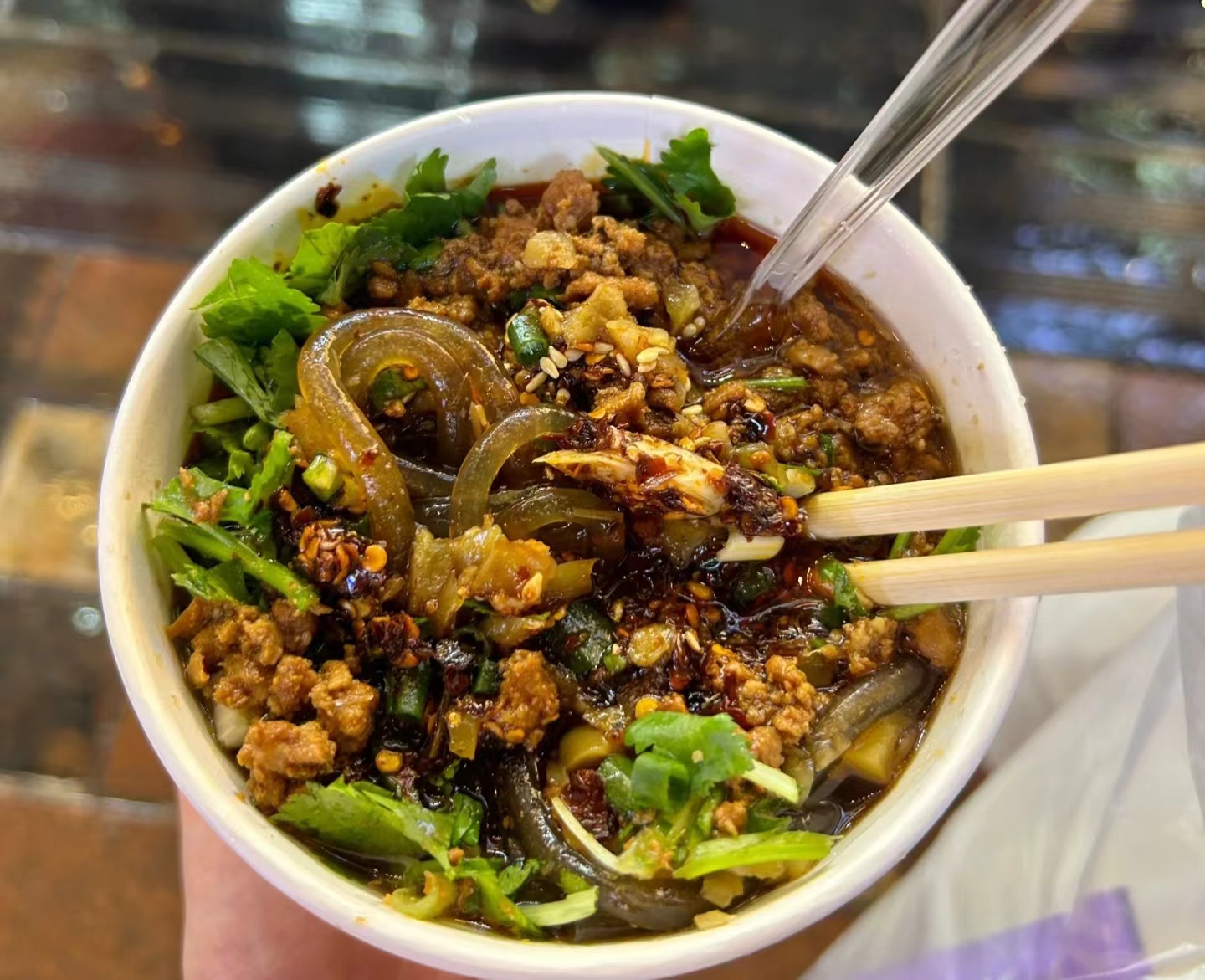
Chewy noodles, sour-spicy broth, crunchy peanuts—addictive and perfect for spice lovers.
5. Cold Jelly & Tofu Pudding
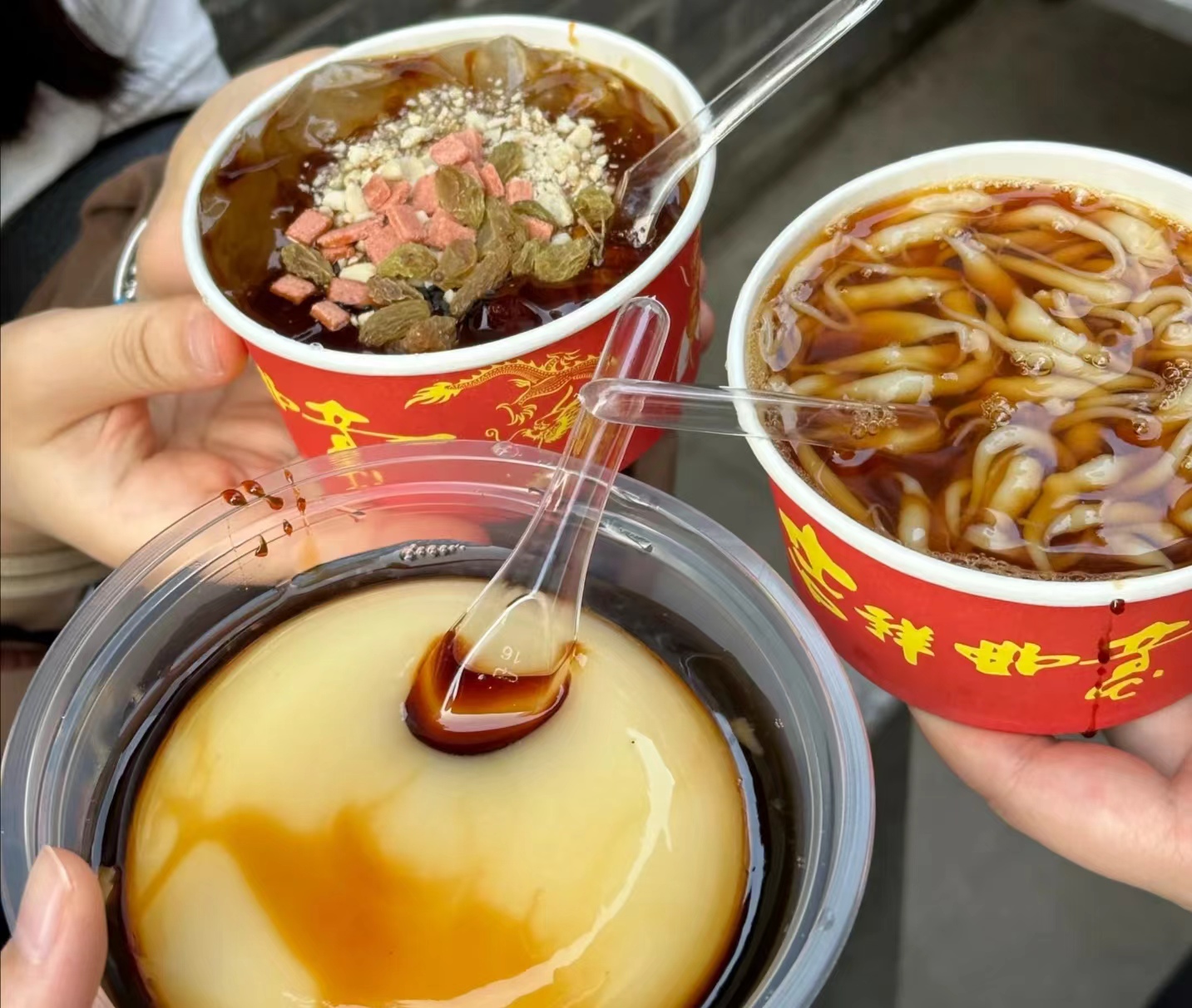
Cooling street desserts that balance out the heat—especially refreshing in summer.
Travel Tips for Chongqing
- Transportation: The subway is efficient, but be ready for lots of stairs—Chongqing’s topography is famously hilly.
- Language: English signs are available at most tourist spots. Locals are friendly and helpful.
- Dining Etiquette: For hotpot beginners, try the Yuanyang Pot (half spicy, half clear broth). Great for sharing and variety.
Suggested 3-Day Itinerary for Chongqing Tours
Day 1: Arrival → Hongya Cave Night Views → Jiefangbei Food Street
Day 2: Ciqikou Ancient Town → Yangtze River Cableway → Nanbin Road Nightscape
Day 3: Liziba Light Rail → Bayi Food Street → Two Rivers Night Cruise
Chongqing is a city that you’ll never get enough of—a place to see, taste, and remember.
Whether you’re a culture seeker, foodie, or nightscape lover, this mountain city offers the most vivid and dynamic side of China travel.
Once you visit, you’ll understand why locals say:
“You don’t just tour Chongqing—you experience it.”
Leave a Reply